Top Bus Ticket Booking Apps in the USA: Features & Market Insights
Developing a bus ticket booking app or bus reservation app in the U.S. is not just about building an app — it’s about crafting a…
Top Bus Ticket Booking Apps in the USA: Features & Market Insights

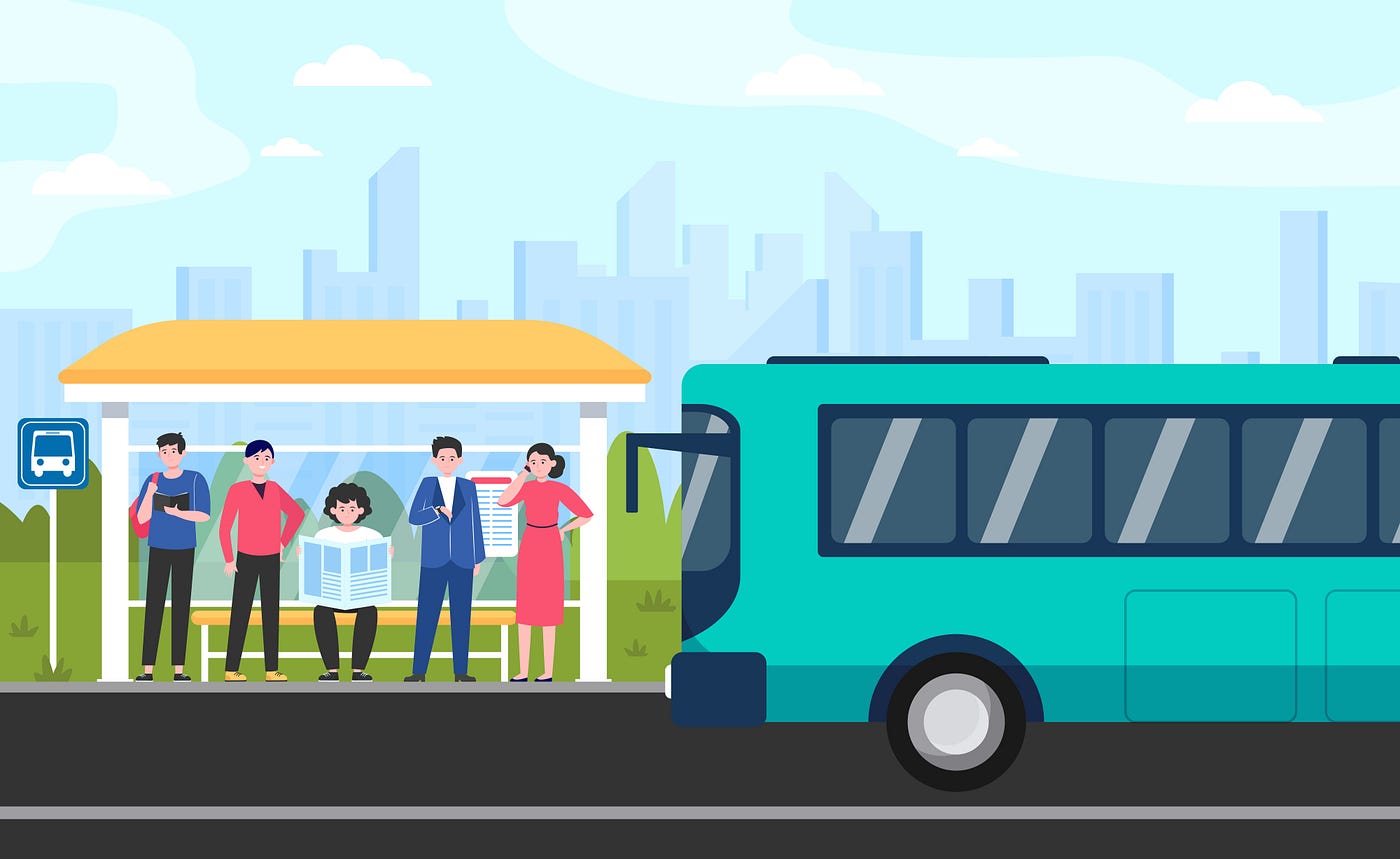
Developing a bus ticket booking app or bus reservation app in the U.S. is not just about building an app — it’s about crafting a comprehensive digital travel solution that meets evolving customer expectations. With increasing demand for affordable intercity travel, bus ticket booking app development requires delivering convenience, reliability, and a seamless experience from start to finish. These apps must efficiently handle real-time ticket availability, secure payments, user-friendly interfaces, and customer support to stand out in a competitive market.
Below, we explore the leading U.S. players, the features that make their apps successful (or problematic), and what goes into bus ticket booking app development — from technical architecture and user experience design to monetization strategies and maintenance considerations.
Market Landscape: Why Bus Booking Apps Matter
Intercity bus travel in the U.S. has experienced renewed popularity due to several factors: rising airfare and fuel costs, increased environmental awareness, and the growing demand for economical regional travel. Platforms like FlixBus and Greyhound, now unified under Flix SE, transport over 12 million passengers annually in the U.S., covering more than 1,600 destinations across North America. This extensive network, supported by advanced technology, has transformed commuter habits by making buses a viable alternative to short flights or long drives.
Leading Apps in U.S. Bus Booking
Here is a detailed look at seven notable bus ticket booking apps widely used in the U.S.:
1. Greyhound
Overview: Greyhound is the oldest and largest intercity bus operator in the U.S., serving over 1,700 destinations. Its app provides functionalities such as ticket booking, seat selection, and digital boarding passes.
Key Features:
- Real-time bus tracking
- Mobile ticketing and boarding passes
- Discount programs for students and veterans
- Notifications for delays or gate changes
Market Insight: Despite being a legacy operator, Greyhound has modernized its mobile experience to remain competitive, investing heavily in app improvements and customer service.

Get Started
2. FlixBus
Overview: FlixBus entered the U.S. market recently but quickly expanded by acquiring Greyhound. Known for its tech-driven approach, FlixBus offers a sleek app with integrated route planning and eco-conscious options.
Key Features:
- Real-time GPS tracking and estimated arrival times
- Loyalty and referral programs
- Eco-friendly travel options including carbon offset
- Seamless payment methods
Market Insight: FlixBus’s digital-first strategy targets millennials and environmentally conscious travelers, with aggressive expansion plans in North America.
3. Megabus USA
Overview: Megabus provides low-cost express bus services across major U.S. cities. However, its app experience is often criticized for poor usability and forcing ticket purchases via a mobile website.
Key Features:
- Affordable fares with advance purchase discounts
- Limited in-app booking capabilities
- Static route schedules without real-time updates
Market Insight: While popular for low fares, Megabus’s app lacks modern features, signaling an opportunity for better user experiences in budget bus travel.
4. Wanderu
Overview: Wanderu aggregates bus, train, and flight options, allowing users to compare prices and book tickets all in one place. It’s a meta-search engine for intercity travel.
Key Features:
- Multi-modal travel search and booking
- Price comparisons across carriers
- User-friendly interface
- Trip reminders and notifications
Market Insight: Wanderu appeals to budget-conscious and multi-modal travelers, capitalizing on the trend for integrated transport booking platforms.
5. BoltBus (now part of Greyhound)
Overview:
BoltBus was known for premium express bus service between major cities like New York, Washington D.C., and Boston. It was integrated into Greyhound’s app after acquisition.
Key Features:
- Reserved seating
- Free Wi-Fi and power outlets onboard
- Competitive pricing for express routes
Market Insight: Though no longer a standalone app, BoltBus’s focus on comfort and speed influences Greyhound’s premium service offerings.
6. RedCoach
Overview: RedCoach provides luxury intercity bus services primarily in the Southeastern U.S., focusing on comfort with amenities like spacious seats and onboard entertainment.
Key Features:
- Premium seating with extra legroom
- Complimentary snacks and drinks
- Online ticket booking and seat selection
Market Insight: RedCoach targets travelers seeking comfort over low cost, carving out a niche in the premium bus travel market.
7. GoToBus
Overview: GoToBus acts as a booking platform offering bus tickets from multiple carriers, including Greyhound, Megabus, and BoltBus.
Key Features:
- Aggregated listings and price comparisons
- Easy booking process
- Email ticket delivery and mobile ticket access
Market Insight: Similar to Wanderu, GoToBus benefits from simplifying ticket purchasing across carriers, appealing to users seeking convenience.
App Features That Matter: From Booking to Boarding
Real-time tracking is essential. FlixBus and Greyhound apps provide accurate GPS updates and expected arrival times, reducing wait anxiety and enhancing user trust.
Digital ticketing and mobile boarding allow users to avoid physical tickets, speeding up boarding and reducing paper waste. QR-code scanning makes the process smoother and more secure.
Seat selection gives control and comfort, especially for longer routes. Both Greyhound and FlixBus integrate seat selection; Megabus often fails here due to app limitations.
Push notifications (for bus arrival, delay alerts, or gate changes) significantly elevate the user experience.
In-app customer support, including chatbot or chat support, keeps users informed and reduces frustration. FlixBus emphasizes this, while Megabus lags.
Loyalty and promotions: FlixBus offers a rewards program; Greyhound offers veteran and advance-ticket discounts via its app. Megabus users often rely on discount codes on websites rather than in-app perks.
User interface: Greyhound and FlixBus deliver clean, modern layouts. Megabus’s token access app — essentially a shell of their website — faces nearly universal criticism, with average app ratings near 1.4/5.
Building Your Own Bus Booking App: Key Elements
Platform & Framework
Many developers choose native platforms (iOS using Swift; Android using Kotlin/Java) or cross-platform frameworks like Flutter or React Native to streamline development.
Map & Geolocation
Integration with Google Maps API (or Apple Maps on iOS) enables route visualization, bus tracking, station finder, and ETA estimates.
Backend Infrastructure
A scalable backend is crucial — often built with Node.js, Python, or Java, and supported by cloud infrastructure (AWS, Firebase). Real-time APIs track vehicle location and send updates to front-end users.
Payment Processing
Secure in-app purchasing must support major credit cards and wallets (e.g., Stripe, PayPal). Developers must also handle refunds and cancellations effectively.
User Account & Profiles
Accounts help store trip history, support loyalty points, and facilitate personalization. This also supports rebooking and notifications.
Notifications System
Push notifications — e.g., via Firebase Cloud Messaging — alert users about boarding, delays, cancellations, or gate changes.
Ticket Scanning Technology
Onboard validation using QR codes or NFC ensures a paperless check-in process.
Admin Panel
Operators need dashboards to manage routes, pricing, bus schedules, and customer support tickets.
Business & Revenue Models
Bus booking apps typically monetize via:
- Commissions per booking: app retains a percentage from each ticket sold.
- Featured operator listings: bus companies pay to promote their services.
- Subscription or premium upgrades: for users or operators — e.g., priority seating, coach upgrades.
- Advertising or partnerships: with hotels, food brands, or travel services.
Greyhound and FlixBus primarily rely on commission-based revenue while maintaining promotional capabilities; Megabus offers low fares but fails in app features that could upsell, due to its app’s limited capability.
Trends & Market Insights (U.S., 2025)
Eco-conscious travel: FlixBus and Greyhound offer carbon offset options and promote bus travel as an eco-friendly choice.
Tech-first experience: seamless booking, modern UIs, and loyalty integrations dominate.
Price fluctuations: Community reports note significant fare increases due to dynamic pricing and demand shifts — for instance LA to San Diego fares rising from around $21 to over $40.
Consolidation: Flix SE’s acquisition of Greyhound and partnerships with Distribusion strengthen network coverage and technology integration across operators.
Risks & Development Challenges
Integration with multiple operators: Different scheduling systems, APIs, and routes must be unified.
Ensuring data accuracy: Real-time tracking errors or breakdowns can undermine trust.
App reliability: Poor performance (like Megabus app) leads to frustration and abandonment.
Customer service coordination: Refunds, delays, cancellations require responsive in-app support.
Regulatory compliance: Data privacy (GDPR/CCPA), ADA accessibility for app content, and secure payment handling.
Lessons for Developers from U.S. Apps
Aim for functional completeness — users expect booking, tracking, and payments inside the app.
Prioritize smooth user experience — clunky or buggy apps discourage repeat use.
Offer real-time visibility — integrated GPS updates and alerts build trust.
Support loyalty and discount mechanisms — these boost retention.
Make operational reliability core — backed by stable servers, realtime data feeds, and error monitoring.
Plan for localization — serve major U.S. markets in English, Spanish, etc., and support multiple currencies.
Conclusion
Developing a successful Bus Ticket Booking App or Bus Reservation App for the U.S. market involves more than just functional code — it’s about delivering a thoughtful digital experience that combines real-time data, seamless booking, clear design, dependable backend infrastructure, and user-focused service. In this context, on-demand app development plays a crucial role by enabling users to book tickets anytime and anywhere, providing instant access to schedules, availability, and pricing.
By learning from these case studies, aligning your technology stack, monetization model, and user experience with market expectations, you can build a bus booking app that stands out in a growing, yet competitive mobility segment.
메타데이터
- post_id
- b5dcbf09f3a6
- slug
- top-bus-ticket-booking-apps-in-the-usa-features-market-insights-b5dcbf09f3a6
- url
- https://toptechcompanies.co/top-bus-ticket-booking-apps-in-the-usa-features-market-insights-b5dcbf09f3a6
- canonical_url
- https://toptechcompanies.co/top-bus-ticket-booking-apps-in-the-usa-features-market-insights-b5dcbf09f3a6
- author_url
- https://medium.com/@watsonjennifer104
- status
- ok
- fetched_at
- 2026-07-31 07:12:17