When Achievement Stops Making Sense
“Everything develops, and I, too, am developing; why I am developing with the rest, will appear later.”
When Achievement Stops Making Sense
“Everything develops, and I, too, am developing; why I am developing with the rest, will appear later.”
A Confession, Leo Tolstoy

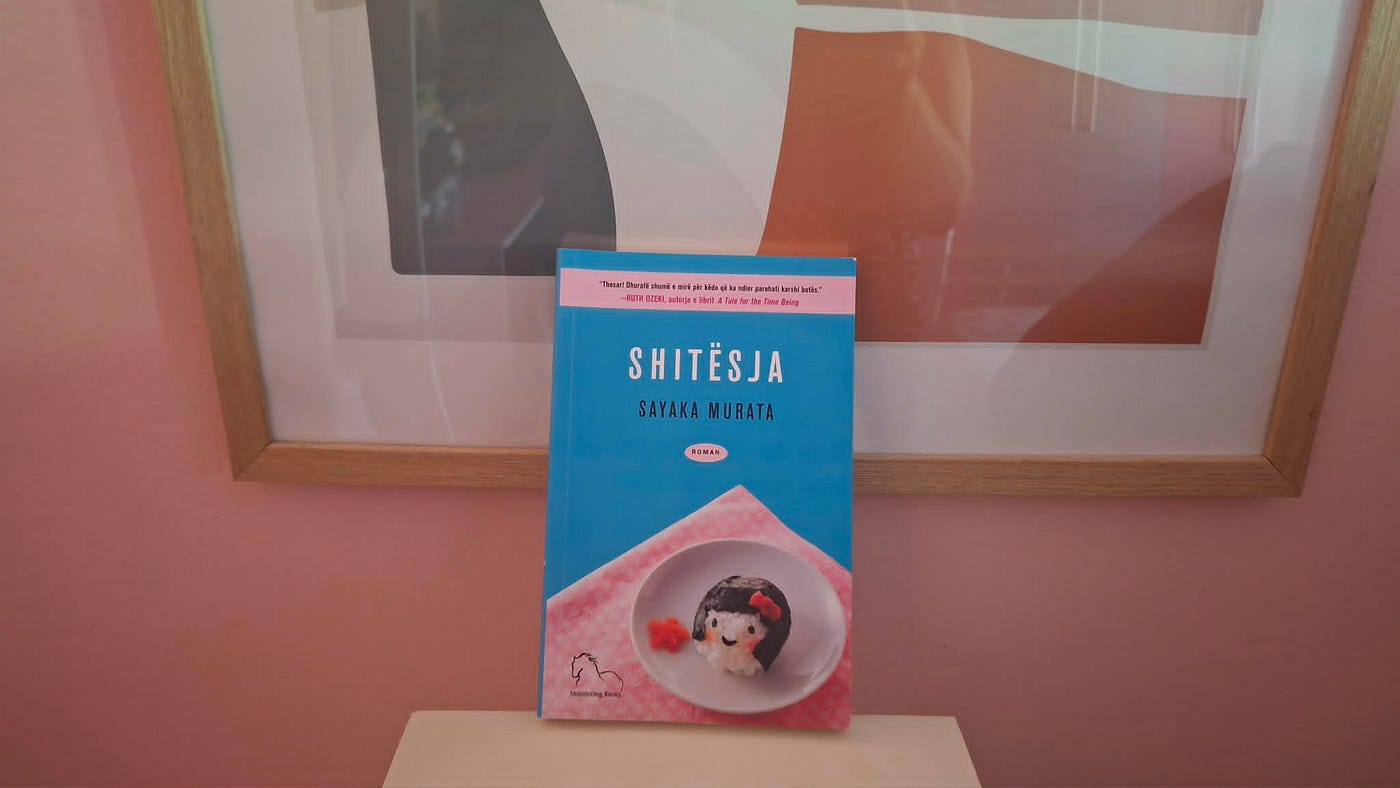
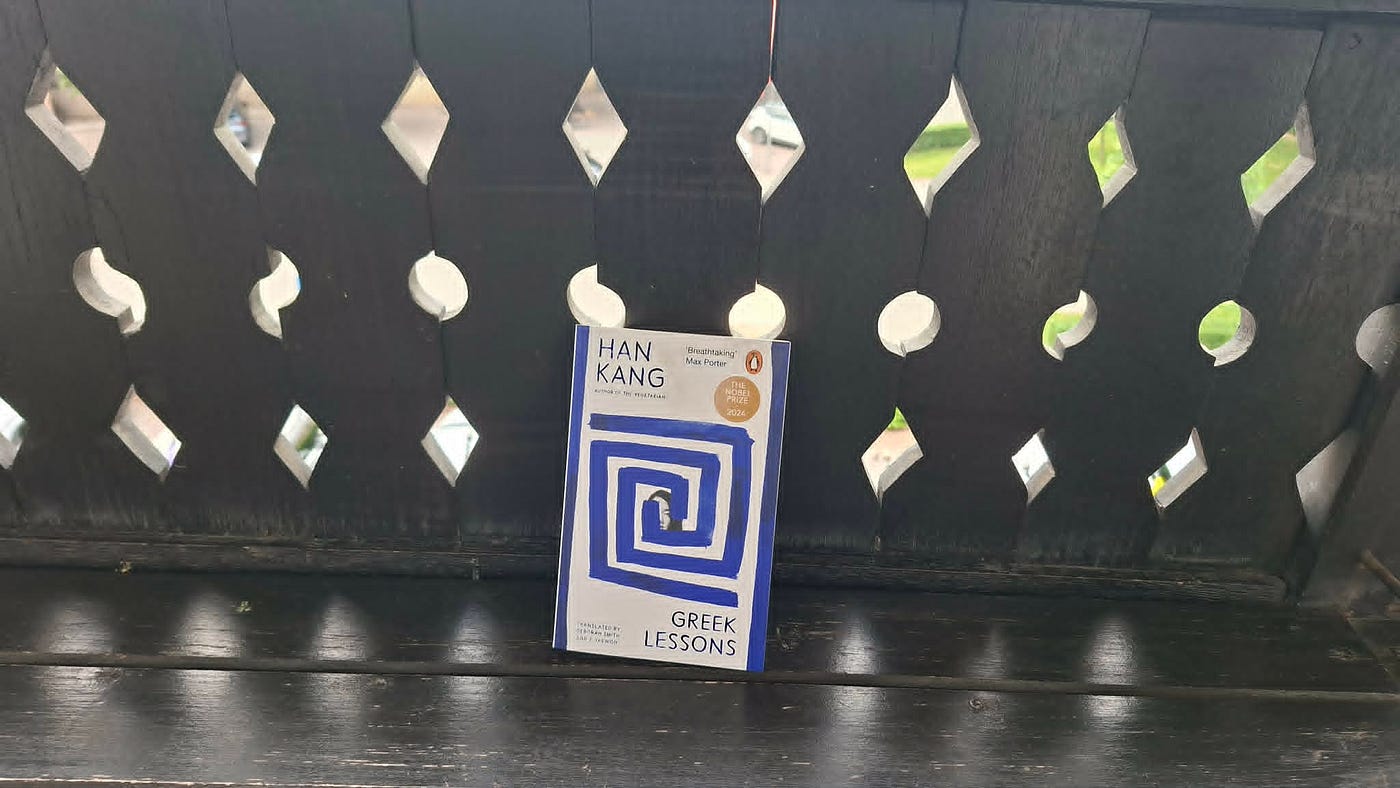
The perfect spot to finish reading this book, Adriatic coast, Albania
Personal progress is quietly embedded in us as a promise, to follow certain steps: study, work hard, improve, advance. One step leads to another, and over time, life begins to take shape, structured and purposeful. In the workplace, this promise becomes even more visible. Titles change, responsibilities grow, calendars fill, and recognition accumulates. From the outside, it looks like a normal chain of events. From the inside, it often feels like momentum carrying us forward before we have had time to ask where we are actually going.
At first, ambition feels clean-cut. Growth is felt measurable. The next role, the next milestone, the next version of yourself, the constantly elusive ultimate goal. Then, almost imperceptibly, something shifts. The same steps that once felt like progress begin to feel repetitive. The same goals that once energized begin to feel strangely neutral. What used to feel like direction starts to resemble motion without arrival. The ladder is still there, but the reason for climbing becomes less obvious.
Reading A Confession by Leo Tolstoy introduced in a different package an all-too familiar discomfort that is difficult to dismiss. He describes a life that, by all external measures, had already succeeded: recognition, stability, accomplishment, family. And yet, beneath it all, a persistent question gnawed at his peace, one that refused to be answered by achievement alone.
“What will come of what I am doing today or tomorrow? What will come of my whole life?”
It is not a dramatic question. It does not interrupt meetings or appear in performance reviews. It arrives quietly, often in moments where nothing in particular seems wrong especially to someone else. That is what makes it more unsettling. There is no clear problem to fix, only a growing distance between what we are doing and why we are doing it.
Workplaces are designed to reward continuation, consistency, productivity, upward movement. There is always another step available, another role to grow into, another version of success to pursue. The system works precisely because it does not require us to pause for too long. But meaning does not always follow structure.
Seen from this perspective, the issue is not that ambition is misguided or that success is empty. It is that we often inherit definitions of both without examining whether they still belong to us. The ladder itself is rarely questioned. Only our position on it is. And so, the tension grows quietly between movement and meaning, between progress and purpose.
Are we able, at certain moments, to step back and ask what the climb is actually for, and whether the direction still makes sense? Without that question, it is possible to spend years moving in a certain direction, only to realize that what we were really searching for was never located at the presumed spot.
Each week, I take a book off the page into real life, translating stories and themes into how we work, lead, grow, and connect. These are not book reviews, but reflections: part literature, part lived experience, part observations. Through my passion for literature, I explore the many dimensions of workplace communication. Perhaps you will discover a book that speaks to where you are right now.
Exploring workplace communication through the lens of great books!
메타데이터
- post_id
- b5e1734abeb9
- slug
- when-achievement-stops-making-sense-b5e1734abeb9
- url
- https://medium.com/@jamlinda/when-achievement-stops-making-sense-b5e1734abeb9
- canonical_url
- https://medium.com/@jamlinda/when-achievement-stops-making-sense-b5e1734abeb9
- author_url
- https://medium.com/@jamlinda
- status
- ok
- fetched_at
- 2026-06-21 19:25:17