From spreadsheets to stories
When I first joined this course, I thought it would mainly teach me methodologies: how to design and structure things with intention…
From spreadsheets to stories

When I first joined this course, I thought it would mainly teach me methodologies: how to design and structure things with intention, organise ideas more effectively, or build more thoughtful solutions. And while I did learn those things, I realise now that the biggest impact of the course was not methodological, but personal.
Looking back, I think the course fundamentally changed the way I observe people, social problems, and even myself.
Coming from a Master’s in Finance, I am used to numbers, structures, and things often being perceived as either right or wrong. So naturally, when our project focused on immigration, narratives, and perceptions, I approached the topic quite rationally. I initially gravitated toward frameworks, research papers, and explanations because I was trying to “understand the problem”. But throughout the semester, I slowly realised that understanding a social issue intellectually is very different from truly engaging with the human experience behind it.
One of the biggest lessons for me was learning to become more comfortable with nuance and contradiction. Design Thinking forced me to slow down and accept that many problems are not cleanly solvable. One of the readings mentioned that accepting failure is integral to moving forward and finding better solutions, and throughout the semester I came to truly understand that idea. Sometimes we may not receive the feedback we hoped for, but it is exactly that discomfort that pushes us toward a better next step.
This also changed the way I thought about the design process itself. Throughout the ideation, iteration, and prototyping phases, I initially believed we would arrive at a solution relatively quickly. However, I quickly realised that the process was much less of a sprint and much more of a marathon, just like Wim Rampen discussed in his reading. Before trying to design something “right,” you first need to deeply understand what people actually feel and need. That process took much longer than I expected, but looking back, I now understand why.
This course also challenged the way I usually think. In finance, there are models, clear metrics, and often a tendency to see situations in fairly binary terms. I think, without really noticing it, I had become very comfortable with that way of thinking. There is a certain reassurance in believing that if you analyse something deeply enough, you will eventually arrive at the “correct” answer. But the more interviews, conversations, and reflections we had throughout the semester, the more I realised how much of social reality exists in the gray area. Sometimes two people can experience the same reality in completely different ways and both perspectives still make sense within the context of their lives.
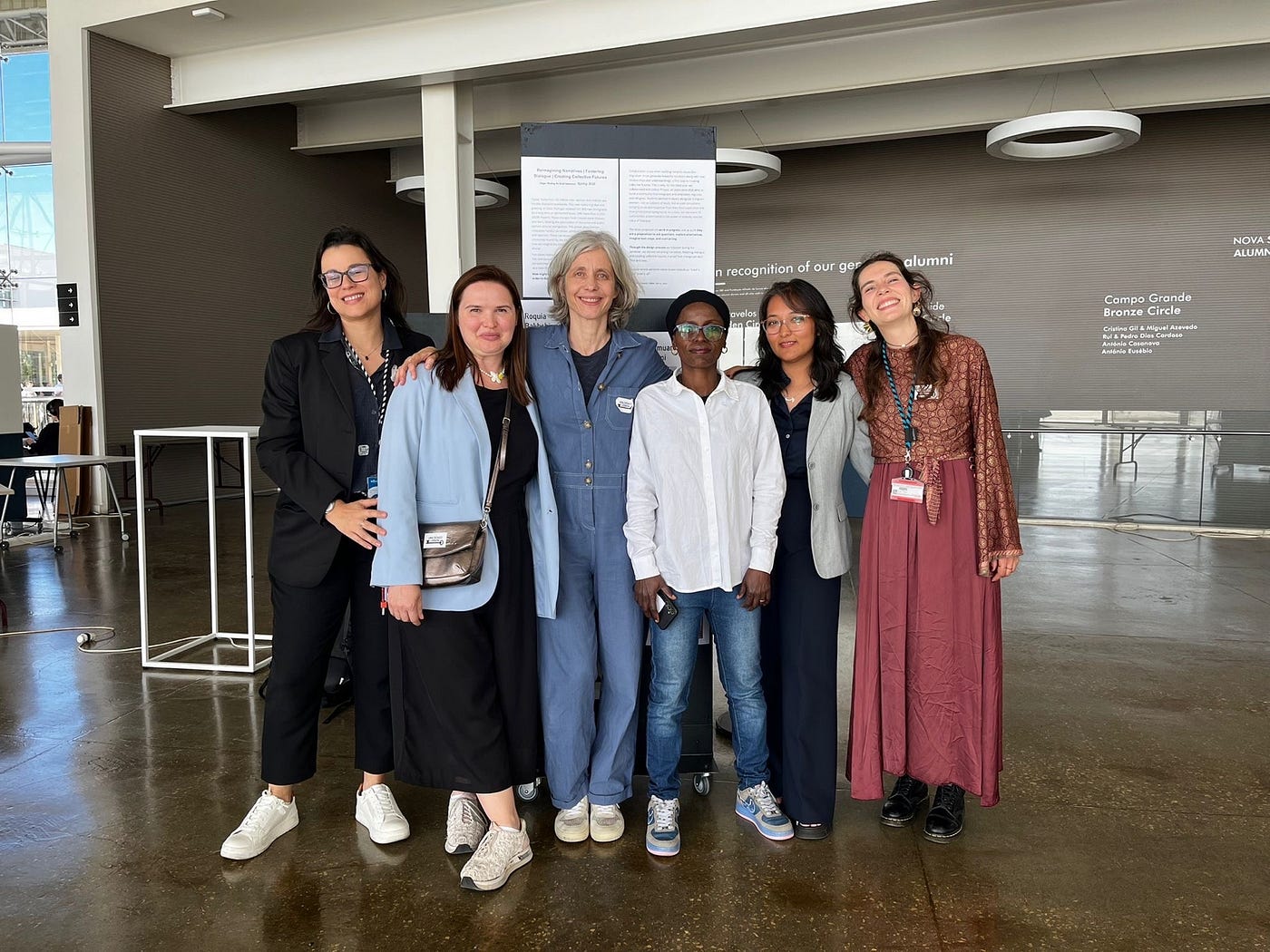
This course was also impactful because by working in a group in such a personal topic, it brought out people’s strengths and ways of thinking. This made me reflect on my own strengths and weaknesses. I naturally gravitate toward realism and systems, and in many moments that was a strength because it helped me connect ideas across different articles, identify patterns, and think about realistic ways to execute things. But I also realised how much I sometimes rely on analysis and structure because they feel safe and familiar to me. Working with such a diverse group made me realise how differently people can think and approach the same problem. Through the discussions and interviews we had, I realised how important it is not to take people’s experiences for granted and how much you can learn simply from understanding how someone else sees the world.
At the same time, the course also taught me to think more critically about solutions themselves. Earlier in the semester, I sometimes had a tendency to become enthusiastic about ideas too quickly and wanting to have a perfectly drafted solution straight away. But through the in-class discussions, I became much more aware of unintended consequences and how easily good intentions can fail when translated into practice. For example, in our group, we realised at one point that something as simple as the location of an event designed to promote inclusion could unintentionally exclude people who had no easy way of getting there. It was a small detail, but it completely changed how I thought about design. A solution may seem excellent in theory while still failing the people it is supposed to help.
If I had to identify one major takeaway from this course, it would be that social innovation is not only about creating solutions for people, but about learning how to see people more fully in the first place.
I leave this course feeling more thoughtful, more attentive, and probably more comfortable with uncertainty than before. More than anything, this course reminded me that inclusion is not something that happens automatically just because different people share the same space. It requires intentionality, empathy, and the creation of conditions where people can genuinely connect. And I think that understanding will influence not only how I approach future projects, but also how I move through everyday life.
메타데이터
- post_id
- b60cff575267
- slug
- from-spreadsheets-to-stories-b60cff575267
- url
- https://medium.com/design-thinking-for-social-innovation/from-spreadsheets-to-stories-b60cff575267
- canonical_url
- https://medium.com/design-thinking-for-social-innovation/from-spreadsheets-to-stories-b60cff575267
- author_url
- https://medium.com/@72797
- status
- ok
- fetched_at
- 2026-06-16 19:09:56