💼 The Global Wave of Job Cuts: Why Even Big Names Aren’t Safe in 2025
From Bosch to Intel, major corporations are slashing thousands of jobs — revealing deeper challenges in the modern economy
💼 The Global Wave of Job Cuts: Why Even Big Names Aren’t Safe in 2025

From Bosch to Intel, major corporations are slashing thousands of jobs — revealing deeper challenges in the modern economy
As we move through 2025, the headlines paint a sobering picture of the world of work. Giants once seen as untouchable — Bosch, Intel, Exxon Mobil, and others — are cutting tens of thousands of jobs across the globe.
It’s not just one industry, one country, or one cause. These job cuts signal a major reshaping of how the global economy is adapting to new technology, automation, and shifting demand. Behind every announcement are both corporate strategies and personal stories — of workers adapting, industries transforming, and economies trying to find balance.
⚙️ Bosch and the Auto Industry’s Identity Crisis
Germany’s Bosch, one of the world’s largest automotive suppliers, recently announced plans to cut 13,000 jobs, primarily in its auto-parts division. It’s a staggering number — and a direct reflection of how quickly the car industry is changing.
For decades, Bosch has been synonymous with precision and reliability. But as the world shifts toward electric vehicles (EVs), the traditional combustion-engine supply chain is shrinking. Components once essential — exhaust systems, injectors, spark plugs — are fading from relevance. The move toward electrification and digital integration means fewer moving parts and more software.
Bosch’s restructuring aims to save around €2.5 billion, but it also highlights a bigger truth: even established automotive giants must reinvent themselves or risk falling behind.
💻 Intel’s Layoffs Signal a Tech Reality Check
In the tech world, Intel Corporation is facing its own storm. The semiconductor giant announced a 15% workforce reduction, roughly 30,000 jobs by the end of 2025. Once the leader in global chip innovation, Intel has struggled to maintain its dominance amid rising competition from AMD, NVIDIA, and new Asian foundries.
The company is also exiting some non-core business areas, including its automotive chip unit, to refocus on AI and high-performance computing. The layoffs are part of a cost-cutting plan as Intel attempts to regain profitability and technological relevance.
For Malaysia and Southeast Asia, where Intel has major operations, the ripple effects will likely be felt in the form of slowed hiring and restructured local teams.
🛢️ Even Energy Giants Are Restructuring
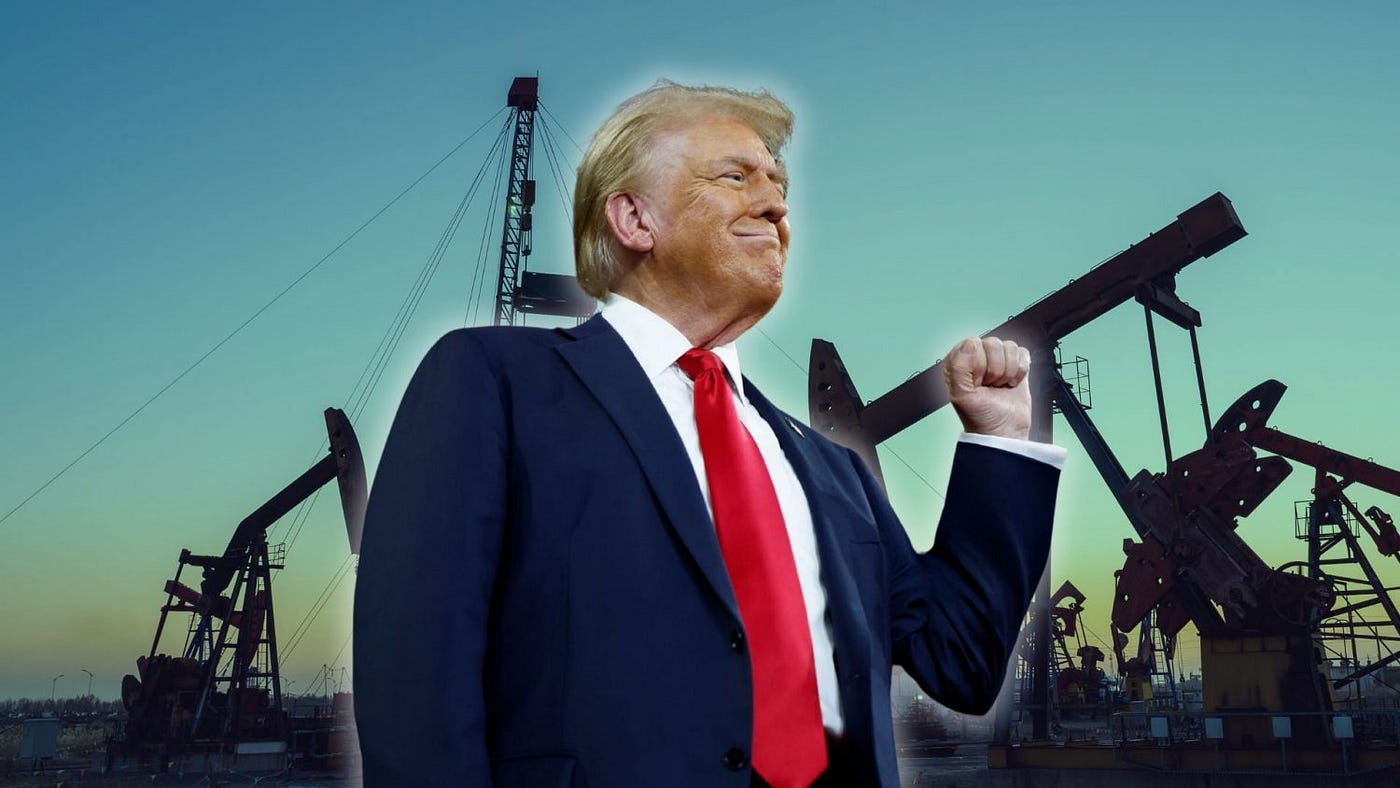
Job cuts are not confined to tech and manufacturing. Even the oil and gas sector — traditionally seen as stable — is tightening its belt. Exxon Mobil announced it will lay off around 2,000 employees worldwide as part of an ongoing restructuring plan.
The global shift toward renewable energy, coupled with fluctuating oil prices, has put immense pressure on traditional energy companies. Many are diversifying into cleaner alternatives, but the transition is neither simple nor immediate. As Exxon pivots, its workforce bears the brunt of these growing pains.
📉 The Broader Trend: Slower Growth, Higher Uncertainty
According to recent data from Challenger, Gray & Christmas, U.S. job-cut announcements reached nearly 950,000 by September 2025 — the highest since 2020. Despite falling slightly from August, this remains a stark indicator of the global slowdown.
The reasons vary — inflationary pressures, post-pandemic shifts, automation, and the integration of AI — but the effect is consistent: a reshuffling of where human labor fits in a more digital, cost-conscious world.
🔍 Why This Matters
The current wave of layoffs reflects more than economic turbulence. It’s a snapshot of industries in transition.
- Automation and AI are streamlining roles once considered essential.
- Supply chain disruptions continue to challenge manufacturers.
- Shifts in consumer behavior are forcing companies to rethink business models.
In many ways, we’re witnessing the next phase of the Industrial Revolution — one driven not by machinery, but by software, data, and sustainability.
🌱 Adapting to a New Work Reality
For workers, this means one thing above all: adaptability. The most valuable skill in 2025 isn’t just technical know-how — it’s the ability to evolve.
Reskilling programs, digital literacy, and openness to new career paths will define who thrives in the next decade. As industries evolve, so too must the people behind them.
For companies, the challenge is balancing innovation with humanity. Layoffs may cut costs in the short term, but long-term success depends on retaining talent, supporting transitions, and building resilient, future-ready teams.
⚖️ A Shift, Not a Collapse
It’s easy to see headlines about thousands of job losses and think the worst. But beneath the surface, there’s transformation. Bosch is investing heavily in electric mobility. Intel is realigning toward AI and semiconductor breakthroughs. Even Exxon is exploring low-carbon energy solutions.
These companies aren’t dying — they’re changing. And change, though painful, often leads to renewal.
The lesson for all of us? The future of work is not just about keeping up — it’s about staying ready to reinvent.
메타데이터
- post_id
- b648d7c12dea
- slug
- the-global-wave-of-job-cuts-why-even-big-names-arent-safe-in-2025-b648d7c12dea
- url
- https://medium.com/@marklimgam/the-global-wave-of-job-cuts-why-even-big-names-arent-safe-in-2025-b648d7c12dea
- canonical_url
- https://medium.com/@marklimgam/the-global-wave-of-job-cuts-why-even-big-names-arent-safe-in-2025-b648d7c12dea
- author_url
- https://medium.com/@marklimgam
- status
- ok
- fetched_at
- 2026-06-09 15:37:30