Concrete Density in Construction Work: Why It Matters for Strong Structures
Strong buildings depend on more than just good design and skilled labour. The quality of materials used during construction work plays a…
Concrete Density in Construction Work: Why It Matters for Strong Structures
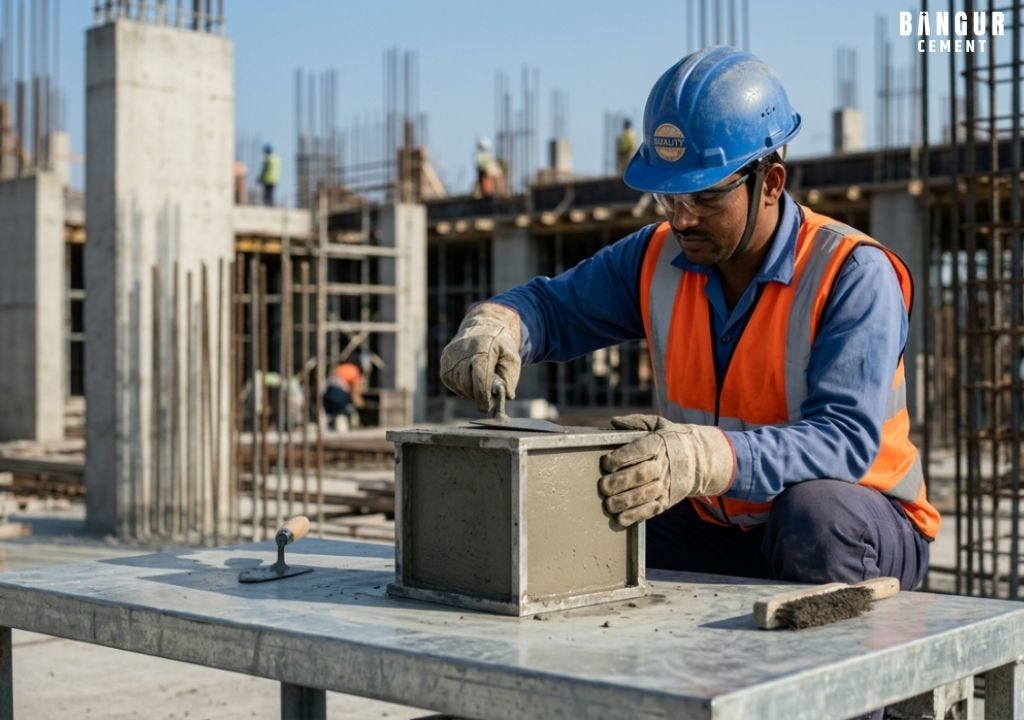
Strong buildings depend on more than just good design and skilled labour. The quality of materials used during construction work plays a major role in how long a structure lasts and how safely it performs under different conditions. Among these materials, concrete remains one of the most widely used because of its strength, durability, and versatility.
One important property that affects the performance of concrete is concrete density. It influences structural load, durability, stability, and overall cement quality. Whether the project involves residential buildings, commercial spaces, bridges, or industrial structures, understanding density helps engineers, contractors, and site supervisors make better construction decisions.
What is Concrete Density?
Concrete density refers to the weight of concrete within a specific volume. In simple terms, it tells us how heavy the concrete is for a given amount of space. Density is usually measured in kilograms per cubic metre (kg/m³).
This value helps determine whether the concrete mix is suitable for a particular application. Different construction projects require different density levels depending on structural needs, environmental conditions, and load-bearing requirements.
Concrete density also gives a useful indication of mix quality. Properly compacted concrete with fewer air voids generally performs better and lasts longer.
Why Concrete Density is Important in Construction Work
- Supports Structural Strength
Density has a direct relationship with structural performance. Concrete with proper density generally provides better compressive strength and improved load-bearing capacity.
In construction work, beams, slabs, columns, and foundations must carry different types of loads throughout their service life. Concrete with the correct density helps these structural elements perform safely under pressure.
If density is too low because of poor compaction, excess water, or weak materials, the structure may develop cracks or durability problems over time.
2. Improves Durability
Durability is one of the most important expectations from concrete structures. Dense concrete usually contains fewer air gaps and voids, which helps reduce water penetration and moisture-related damage.
This becomes especially important in areas exposed to:
- Heavy rainfall
- Coastal weather
- Temperature variation
- Chemical exposure
- Ground moisture
Proper concrete density helps reduce the risk of corrosion in reinforcement steel and improves the overall life of the structure.
3. Helps Maintain Cement Quality
Concrete performance depends greatly on cement quality and the proportion of materials used in the mix. Density testing is often used as part of quality control during construction work.
If the measured density does not match the expected range, it may indicate issues such as:
- Incorrect water-cement ratio
- Poor compaction
- Low-quality aggregates
- Excess air pockets
- Inconsistent mixing
Regular density checks help site engineers identify problems early and maintain consistent construction standards.
4. Assists in Material Selection
Different projects require different types of concrete. Density helps engineers choose the right mix according to project requirements.
For example:
- Lightweight concrete may be used where reducing structural load is necessary.
- Normal-weight concrete is commonly used for residential and commercial construction work.
- High-density concrete is selected for specialised structures requiring additional stability or protection.
Selecting the correct density helps maintain both safety and performance.
5. Affects Dead Load of Structures
Concrete itself adds weight to a building. This self-weight is called dead load.
If concrete density is higher, the total structural load also increases. Engineers consider this factor while designing foundations, columns, and beams.
Accurate density values are therefore important during structural calculations to ensure safe and efficient design.
To calculate density:
- Measure the weight of the concrete sample.
- Determine the volume occupied by the sample.
- Divide the mass by the volume.
The result gives the density of the concrete sample in kg/m³.
For accurate results, the sample should properly represent the concrete mix used at the construction site.
Common Types of Concrete Based on Density
Normal-Weight Concrete
This is the most commonly used concrete in general construction work. Its density usually ranges between 2200 and 2500 kg/m³.
It is widely used in:
- Residential buildings
- Commercial structures
- Pavements
- RCC work
This type provides a practical balance between strength and workability.
Lightweight Concrete
Lightweight concrete generally has a lower density ranging from 1400 to 1850 kg/m³.
It is used where reducing the total structural load is important. Lightweight aggregates are commonly used to achieve lower density.
Applications include:
- Roof insulation
- Partition walls
- Precast blocks
- High-rise structures
Relationship Between Concrete Density and Cement Quality
Concrete density and cement quality are closely connected. High-quality cement supports proper bonding between aggregates and improves the overall compactness of the concrete mix.
When cement quality is poor, the concrete may develop:
- Lower strength
- Surface cracks
- Reduced durability
- Higher permeability
Maintaining proper material standards helps achieve consistent density and better long-term performance in structures.
How a Top Cement Company Supports Better Construction Work
A top cement Company usually focuses on maintaining consistent manufacturing standards, proper testing procedures, and reliable material quality.
Good-quality cement contributes to:
- Better workability
- Proper setting behaviour
- Improved concrete density
- Consistent structural performance
Using reliable construction materials helps improve the safety and durability of buildings, roads, and infrastructure projects.
Conclusion
Concrete density plays a major role in determining the strength, durability, and long-term performance of structures. It affects structural load, material selection, water resistance, and overall construction quality.
Proper density also reflects good cement quality and careful construction work practices. From residential buildings to large infrastructure projects, understanding density helps engineers and contractors make informed decisions throughout the construction process.
Regular testing, correct mix proportions, proper compaction, and quality materials all contribute to achieving the right concrete density for safe and durable structures.
메타데이터
- post_id
- b649b85a4dda
- slug
- concrete-density-in-construction-work-why-it-matters-for-strong-structures-b649b85a4dda
- url
- https://medium.com/@bestcementcompany/concrete-density-in-construction-work-why-it-matters-for-strong-structures-b649b85a4dda
- canonical_url
- https://medium.com/@bestcementcompany/concrete-density-in-construction-work-why-it-matters-for-strong-structures-b649b85a4dda
- author_url
- https://medium.com/@bestcementcompany
- status
- ok
- fetched_at
- 2026-07-22 07:22:08