Turning AI Concepts Toward Production-Ready Systems
Artificial intelligence projects often start with clear data, defined goals, and controlled testing. These early steps typically deliver…
Turning AI Concepts Toward Production-Ready Systems
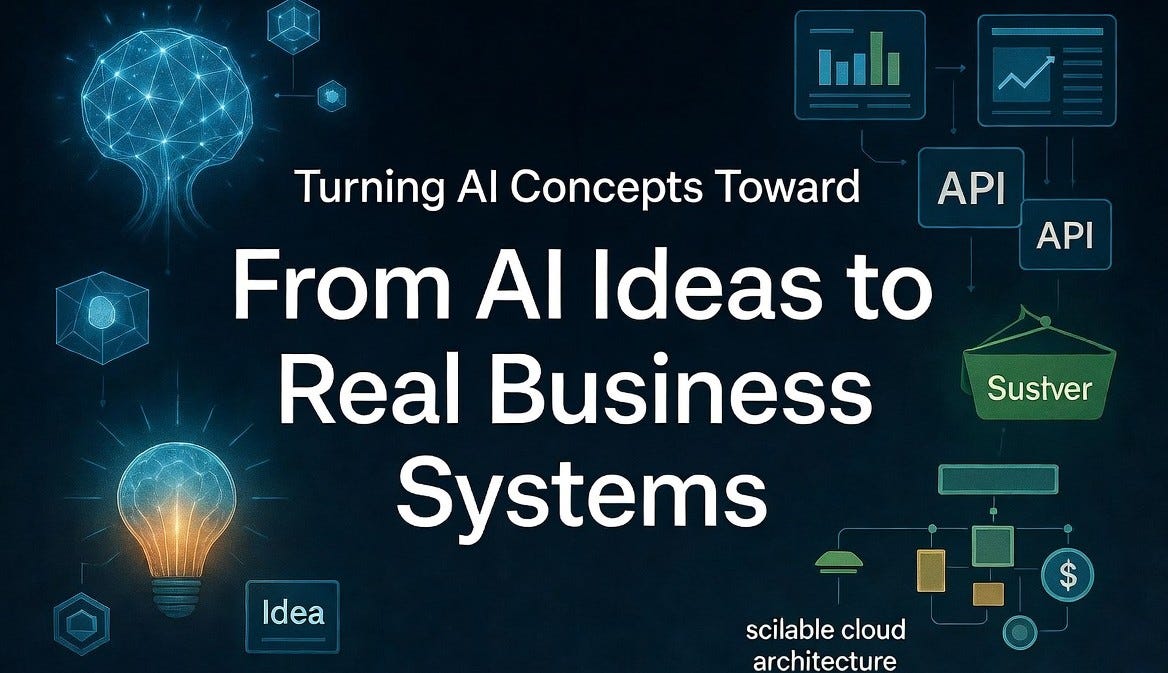
Artificial intelligence projects often start with clear data, defined goals, and controlled testing. These early steps typically deliver positive results, encouraging further investment. The real value for a business comes only when these ideas work smoothly in everyday tasks, handle unexpected data, and continue to meet business needs over time. This stage requires careful planning, discipline, and practical thinking. Production AI systems mark this advanced phase, where artificial intelligence becomes a reliable part of business operations.
From promising ideas to working reality
Artificial intelligence projects often begin as ideas shaped by business goals and technical curiosity. Teams examine past data, set clear objectives, and develop tailored models. Early progress often involves prototypes that demonstrate accuracy under controlled conditions. These early wins feel motivating and attract more attention from leaders and delivery teams.
Challenges arise as artificial intelligence becomes part of daily operations. Data comes from different sources, changes in format over time, and sometimes has gaps that affect reliability. Systems must meet expectations for availability, quick responses, and consistent results. Moving from concept to working reality requires careful preparation across data, technology, and organizational roles. Clear ownership, shared goals, and practical expectations make this stage smoother and reduce friction.
Choosing the Right Partner for Implementation
Turning artificial intelligence from an idea into daily business use often needs special skills and organized methods. Working with an experienced AI Software development company gives guidance on how to deploy models, set up the right infrastructure, and connect with existing systems. These partners bring real-world knowledge in moving prototypes toward dependable solutions, helping organizations prepare for challenges and apply answers in a practical way. By collaborating with skilled teams, artificial intelligence projects gain steady progress and deliver consistent value to the business.
Why prototypes struggle beyond early success
Artificial intelligence prototypes often perform well because they run in stable and controlled settings. Real business environments bring complexity that challenges the assumptions made during early development. Data changes in structure, grows in volume, and user behavior introduces patterns that training data never captured. Systems built only for demonstration often struggle under these pressures. Effective AI integration with existing workflows is often missed, slowing adoption and creating gaps between early success and real-world performance.
Progress also slows when direction is unclear. Business leaders expect reliable outcomes tied to operational goals. Technical teams focus on model accuracy and experimentation. Without a shared view of success, confusion grows and trust weakens. Sustainable deployment depends on collaboration across engineering, operations, and leadership. When artificial intelligence is treated as a shared responsibility rather than only a technical tool, adoption improves, and outcomes become more stable.
Leveraging Expertise for Smoother Deployment
Organizations facing the challenge of moving artificial intelligence from prototype to production can gain value from digital transformation consulting. Expert guidance connects business goals with technical execution, defines clear measures of success, and builds stronger links between teams. With this kind of consulting, AI projects become shared responsibilities, which improves adoption, builds trust, and strengthens overall results.
Preparing data and infrastructure for scale
Reliable data is the base of any artificial intelligence system used in daily business. Data flow must be consistent, clear, and reliable. In live environments, data quality can fluctuate, and systems must identify these shifts. Logging, metrics, and alerts give teams the visibility they need during everyday operations.
Infrastructure also plays a major role in success. Systems must be planned for capacity, deliver steady performance, and remain resilient when demand varies. These factors are often missed during early experiments. Teams that prepare infrastructure in advance reduce risks later. Production AI systems become more stable when data and infrastructure receive the same attention as model development.
From Oversight to Trust: The Role of Governance in AI
When artificial intelligence is active, questions about ownership, oversight, and responsibility arise. Clear governance defines who maintains models, who reviews results, and who responds to unexpected behavior. Without these structures, confidence among stakeholders can fade. Many organizations turn to specialized AI development services to create governance frameworks and maintain oversight in a practical way.
Governance also shapes ethical use, access control, and compliance with internal rules. Transparent decision-making builds trust across teams and leadership. Artificial intelligence adoption proceeds more easily when accountability is clear. Experienced organizations practice continuous governance, updating it as their systems develop.
Why do people and processes matter for lasting results?
Technology alone does not succeed without human understanding and clear processes. Teams need a shared view of artificial intelligence’s role in daily work. Documentation, training, and open communication reduce confusion and resistance. When users understand system behavior, their confidence increases. Reviewing client cases gives practical examples of how systems work in real situations and strengthens learning.
Processes also guide results. Regular reviews, performance checks, and update cycles keep systems aligned with business needs. Feedback loops allow teams to adjust inputs and expectations based on actual outcomes. Leadership involvement highlights the importance and encourages steady participation across departments. Storytelling adds value here by linking technical results with real business impact.
Scaling adoption with patience and clarity
Expanding artificial intelligence across teams or regions introduces differences that systems must handle smoothly. New data patterns, workflows, and expectations test system resilience. Gradual implementation plans lessen disruption and maintain trust. Watching trends and checking results as you grow helps ensure stable progress.
Trust grows through transparency and consistency. Clear results reduce doubt and drive adoption. Production AI systems gain credibility through steady performance rather than bold promises. Over time, artificial intelligence changes from a new experiment to core infrastructure, as teams rely on its predictable results.
Conclusion
Turning artificial intelligence ideas into real operations takes discipline across technology, people, and governance. Long-term value comes from careful preparation, shared responsibility, and constant attention to how systems behave in daily use. Organizations that follow this path with patience and clarity achieve reliable outcomes that support long-term goals. Production AI systems represent this maturity by delivering steady performance even as conditions change.
Ready to move from AI concepts to real results? Contact us now to start your production AI journey.
메타데이터
- post_id
- b67bb50b7637
- slug
- turning-ai-concepts-toward-production-ready-systems-b67bb50b7637
- url
- https://medium.com/@lenaztyson/turning-ai-concepts-toward-production-ready-systems-b67bb50b7637
- canonical_url
- https://medium.com/@lenaztyson/turning-ai-concepts-toward-production-ready-systems-b67bb50b7637
- author_url
- https://medium.com/@lenaztyson
- status
- ok
- fetched_at
- 2026-06-09 15:37:30






