Korean Medicine 101 #5: Pattern Differentiation (Byeonjeung) — Why the Same Symptom Doesn’t Mean…
One of the most confusing things for beginners is this:
Korean Medicine 101 #5: Pattern Differentiation (Byeonjeung) — Why the Same Symptom Doesn’t Mean the Same Treatment
One of the most confusing things for beginners is this:
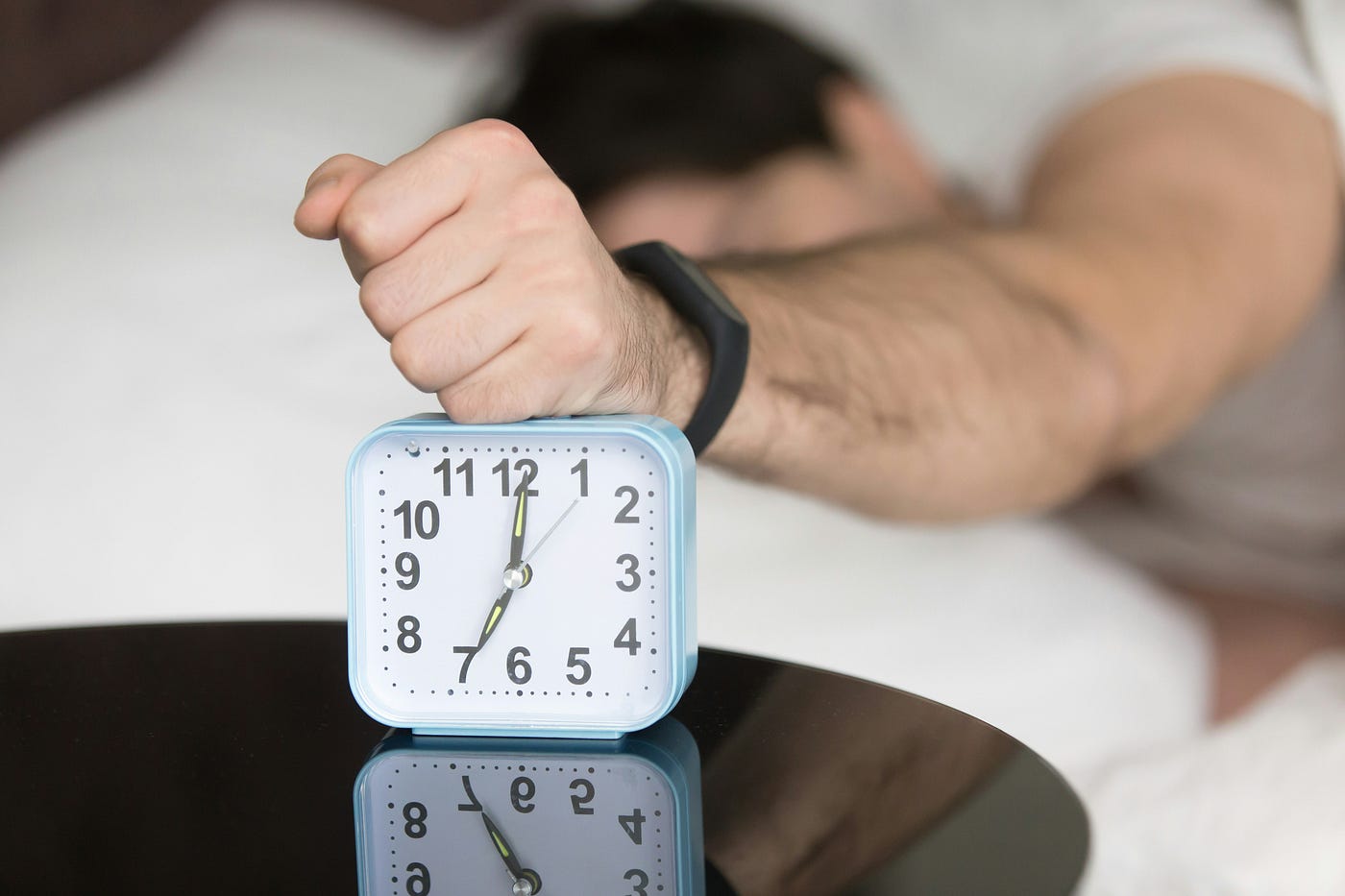
Two people can have the same symptom — fatigue, insomnia, bloating, palpitations — and yet receive completely different Korean Medicine treatments.
To outsiders, that can look inconsistent. In reality, it reflects a core principle of Korean Medicine clinical reasoning: pattern differentiation, called Byeonjeung (변증).
Byeonjeung is not a mystical concept. It is a structured way of answering one practical question:
What is the underlying pattern that is generating this symptom in this person, right now?
This episode explains what Byeonjeung is, how clinicians build a pattern, and how you can recognize responsible pattern-based thinking (versus vague “one-size-fits-all” wellness content).
What is Byeonjeung in one sentence?
Byeonjeung = organizing symptoms and signs into a clinically meaningful pattern that guides treatment.
It is similar in spirit to how modern clinicians use pattern recognition and differential diagnosis — but with a different medical language and different categories.
In Korean Medicine, a symptom is not the endpoint. It is a clue. The pattern is the working model.
Why symptom-based advice often fails
Many health posts online assume:
- “Headache” has one cause
- “Bloating” has one fix
- “Insomnia” has one supplement
But in clinic, symptoms are rarely single-cause. They are often multi-factor and context-dependent. Byeonjeung exists because:
- bodies differ (baseline constitution, recovery capacity)
- context differs (season, stress load, sleep debt)
- symptom quality differs (timing, triggers, accompanying signs)
- what looks “the same” on the surface is not the same underneath
This is not a philosophical preference. It is a pragmatic response to complexity.
How a Korean Medicine clinician builds a pattern
In simplified form, pattern differentiation usually integrates:
1) Symptom cluster (not one symptom)
Clinicians look for constellations:
- fatigue + appetite + stool
- insomnia + palpitations + sweating
- bloating + stress reactivity + tension
- cold intolerance + edema-like heaviness + morning fatigue
2) Qualities and timing
- When does it occur? (morning vs night, before vs after meals)
- What worsens it? (stress, cold, heat, certain foods, overwork)
- What relieves it? (warmth, movement, rest, eating)
- Is it stable or fluctuating?
3) “Axes” that organize the pattern
Common pattern axes include:
- deficiency vs excess (underpowered vs constrained/overactive)
- cold vs heat (constriction/slowing vs overactivation/inflammatory-like)
- stagnation vs smooth flow (stuck regulation vs adaptive regulation)
- interior vs exterior (deeper systemic patterns vs more surface/acute patterns)
You do not need to memorize these terms to benefit from the concept. The key is: Byeonjeung is a structured classification, not free-form storytelling.
4) Clinical findings (tongue, pulse, palpation)
Tools like tongue and pulse are used to add information and confirm the working model — especially when the symptom story is ambiguous. These tools are not magic; they are pattern-supporting signals interpreted within a consistent framework.
A practical example: “Insomnia” is not one problem
Let’s take a symptom many people share: insomnia.
Case A: “Tired but wired”
- Difficulty falling asleep, racing thoughts
- Tension in chest/neck/shoulders
- Worse during stressful periods
- Bloating or tightness when stressed This pattern often points toward a constraint/stagnation-type picture (regulation is tight and reactive).
Case B: “Waking at night with heat”
- Falls asleep, then wakes after 2–3 hours
- Dry mouth, night sweating
- Hot sensations in the evening
- Feels depleted, not agitated This pattern may point toward a Yin-deficiency-type picture (insufficient cooling and stabilizing resources).
Case C: “Light sleep with cold fatigue”
- Shallow sleep, frequent waking
- Cold intolerance, low drive
- Loose stools, morning fatigue This pattern may point toward a Yang-deficiency / Spleen-Kidney type picture (underpowered warming/activation and foundational stability).
All three people say “I can’t sleep.” If you give all three the same advice, you will help one, do nothing for another, and possibly worsen the third.
That is why the pattern matters.
What responsible Korean Medicine content looks like
As a reader, you can evaluate the quality of Korean Medicine writing by asking:
- Does it specify pattern features, not just the symptom? (timing, triggers, temperature preference, stool/urine, sweating, appetite)
- Does it state boundaries and red flags? (when to seek medical evaluation)
- Does it avoid universal prescriptions? (“This herb fixes insomnia for everyone” is not responsible.)
- Does it explain the logic linking signs → pattern → approach? Even if you disagree, you should be able to follow the reasoning.
- Does it treat patterns as changeable states, not fixed identities? Patterns can shift with recovery, season, life stage, and stress load.
If these elements are missing, the content may be marketing language rather than clinical education.
What Byeonjeung is NOT
1) Not a license to skip medical evaluation
Pattern-based thinking is not a substitute for diagnosis when serious conditions are possible.
If insomnia is paired with severe depression, suicidal ideation, panic symptoms, chest pain, fainting, or rapid weight loss — medical evaluation is essential.
2) Not “You are a type forever”
Some online content turns pattern labels into identity (“You are Liver type”). Clinically, patterns can evolve. A good clinician reassesses rather than locking someone into a label.
3) Not vague storytelling
Byeonjeung should increase clarity, not hide behind vague words. If a pattern label cannot be connected to observable features, it is not doing clinical work.
The practical takeaway: how to use this as a reader
The purpose of Byeonjeung for a non-clinician reader is not to self-diagnose. It is to read Korean Medicine content with better discrimination.
When you see a claim online, ask:
- “Which pattern is this aimed at?”
- “What signs would tell me it fits or doesn’t fit?”
- “What are the safety boundaries?”
That shift alone will protect you from a lot of low-quality wellness content.
About the author
Jayoun Cho is a licensed Korean medicine doctor (KMD) practicing in Seoul, Korea, with 15 years of clinical experience. She studied Computer Science at Seoul National University and Korean Medicine at Kyung Hee University, and later trained in Counseling Psychology at Kyung Hee Cyber University.
[embed]조자연의 현대과학과 한의학 연구노트 : 네이버 블로그 Edit descriptionblog.naver.com
[embed]조자연의 브런치스토리 에세이스트 | 한의사, 그리고 글쓰는 사람. 진료실에서 시작된 이야기를 글로 옮기며 삶을 고치는 시간을 기록합니다.brunch.co.kr
메타데이터
- post_id
- b6a8cfbfe5e4
- slug
- korean-medicine-101-5-pattern-differentiation-byeonjeung-why-the-same-symptom-doesnt-mean-b6a8cfbfe5e4
- url
- https://medium.com/@balanceorigin/korean-medicine-101-5-pattern-differentiation-byeonjeung-why-the-same-symptom-doesnt-mean-b6a8cfbfe5e4
- canonical_url
- https://medium.com/@balanceorigin/korean-medicine-101-5-pattern-differentiation-byeonjeung-why-the-same-symptom-doesnt-mean-b6a8cfbfe5e4
- author_url
- https://medium.com/@balanceorigin
- status
- ok
- fetched_at
- 2026-07-31 14:10:08