Why I Built A Modified DroidStar Dmr App For I Os
I never planned to build something used by thousands of people.
Why I Built A Modified DroidStar Dmr App For I Os
I never planned to build something used by thousands of people.
This began as a small, personal frustration. The kind you tolerate for a while, until one day you realise it does not make sense to keep tolerating it.
I am a licensed HAM operator, VU3LVO. Like many others, I use DMR because of what it represents. Independence from commercial systems. Global reach with modest infrastructure. A community that values experimentation and resilience.
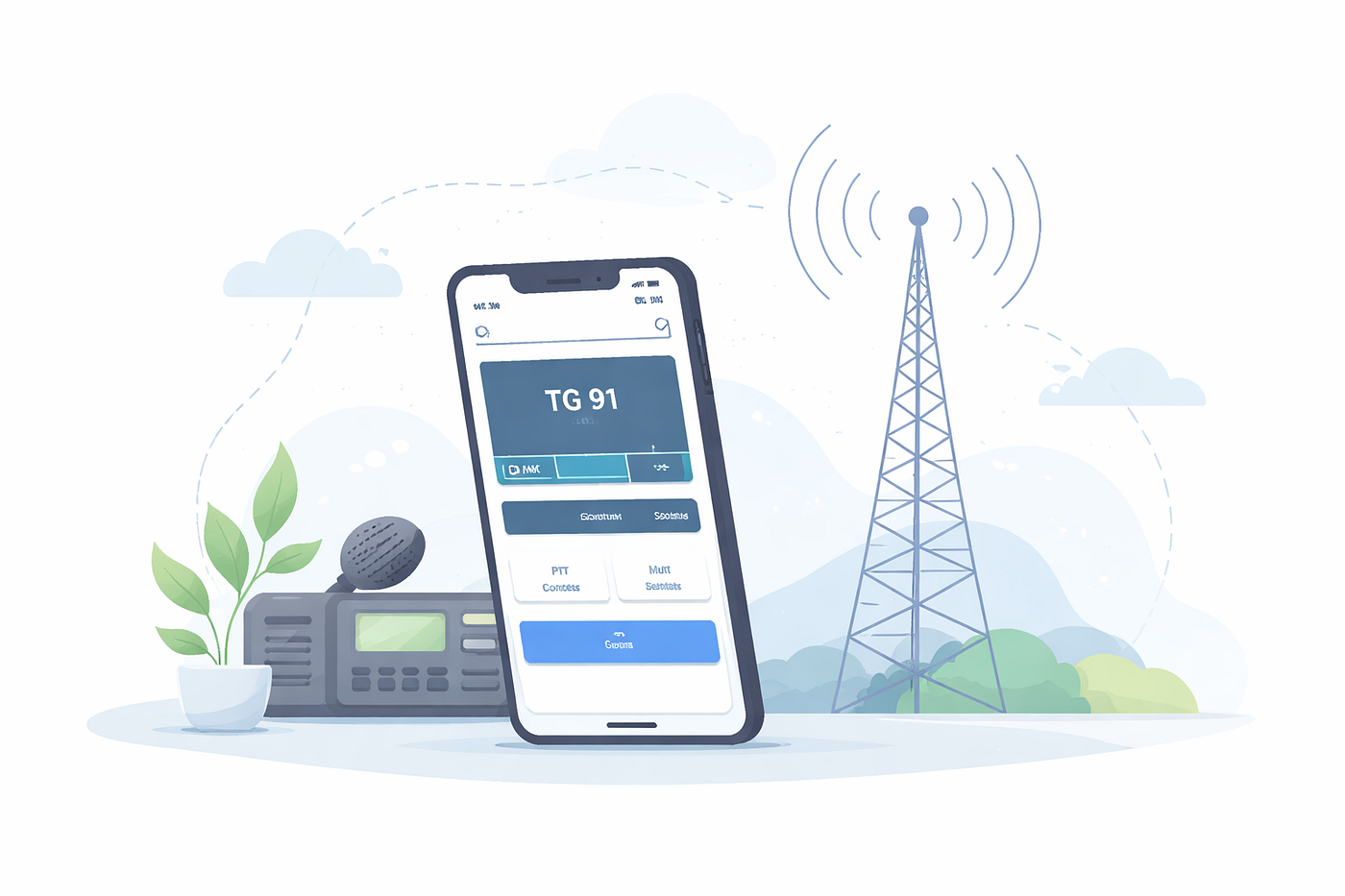
When DroidStar came along, it was a breakthrough. It made digital voice accessible without dedicated hardware. On Android, it worked well and kept improving.
On iOS, it was a different story.
The gap I kept running into
If you were an iPhone user, operating DMR meant compromises. Carrying additional devices. Dealing with fragile audio behaviour. Connections dropping when the phone switched networks. Or simply deciding that mobile DMR was not worth the effort.
That gap bothered me more than it probably should have.
HAM radio, at its core, is about removing barriers. Yet here we were limited by platform boundaries.
I did not want a workaround. I wanted something dependable.
Opening the code for myself
At first, this was entirely for myself. I had no intention of maintaining a fork or building something public. I just wanted to operate DMR on my iPhone without thinking about it.
As I went through DroidStar’s codebase and internals, one thing became clear. The core was strong. The problem was not the idea or the architecture. It was that iOS behaves very differently, and those differences matter when you are dealing with real-time audio and unreliable networks.
I started making small changes.
Fixing audio sessions so transmissions did not randomly fail. Adjusting background behaviour so a quick interruption did not kill a connection. Tweaking parts of the interface so it made sense on a device people actually use while moving, travelling, or multitasking.
I tested it the way I operate radio in real life.
In the car, switching between networks.
During short check-ins between meetings.
Late at night, when you just want to join a net without troubleshooting.
Every fix came from something that broke for me first.
When others started using it
Eventually, I shared the modified build.
There was no announcement. No launch post. Just a quiet release for anyone who needed it.
I expected a few users.
Instead, messages started coming in from operators across different countries. Different call signs. Different use cases.
One operator wrote to say it was the first time he could consistently check into his regular net while travelling for work, without carrying extra hardware.
Another told me he relied on it as a backup during a radio failure and was able to stay connected when he otherwise would have been offline.
I heard from operators in places where DMR hardware was expensive or difficult to source. For them, this was not convenience. It was access.
That was the point where this stopped feeling like a personal fix.
When people depend on something you built to stay connected, you feel a responsibility to treat it seriously.
What maintaining it actually looks like
Since 2024, I have continued maintaining the iOS modified DroidStar build.
Even now, I still receive messages asking for help, reporting issues, or suggesting features. Some are highly technical. Some are simple questions. Some are just thank you notes from operators who quietly rely on it.
I take all of them seriously.
I avoid rushing updates. I stay away from changes that might look impressive but compromise stability. When something breaks, I acknowledge it openly and fix it carefully.
HAM radio operators value reliability over novelty. I kept that in mind at every step.
Four thousand plus users is often quoted as a number.
To me, it represents trust.
Thousands of operators choosing to rely on a modified build maintained by an individual, not a company. People who trusted that it would behave predictably when they keyed up.
Why this project matters to me
This project is not monetised. It does not belong to a startup or an organisation. It exists because a problem needed solving and because enough people found value in the solution.
It reminds me that meaningful contribution does not always come from big launches or loud announcements.
Sometimes it comes from quietly fixing something and continuing to show up long after the initial excitement fades.
HAM radio has always been about connection. Not just signals, but people.
A note to fellow operators
If you are using the modified DroidStar DMR app on iOS, thank you.
Thank you for trusting it. Thank you for the patience, the bug reports, and the thoughtful suggestions.
If this app helped you stay on air, I would genuinely love to hear your story.
Drop your call sign and where you operate from.
Every transmission has a human story behind it.
Tags:
HamRadio #AmateurRadio #DMR #DroidStar #iOS #OpenSource #DigitalVoice #Community
메타데이터
- post_id
- b6aba6dabeba
- slug
- why-i-built-a-modified-droidstar-dmr-app-for-i-os-b6aba6dabeba
- url
- https://medium.com/@rohithnamboothiri/why-i-built-a-modified-droidstar-dmr-app-for-i-os-b6aba6dabeba
- canonical_url
- https://medium.com/@rohithnamboothiri/why-i-built-a-modified-droidstar-dmr-app-for-i-os-b6aba6dabeba
- author_url
- https://medium.com/@rohithnamboothiri
- status
- ok
- fetched_at
- 2026-06-10 21:21:38