Safety regulations for outdoor installation of LED billboards
The core of safe installation of outdoor LED billboards is to simultaneously meet the standards of structural bearing capacity, electrical…
Safety regulations for outdoor installation of LED billboards
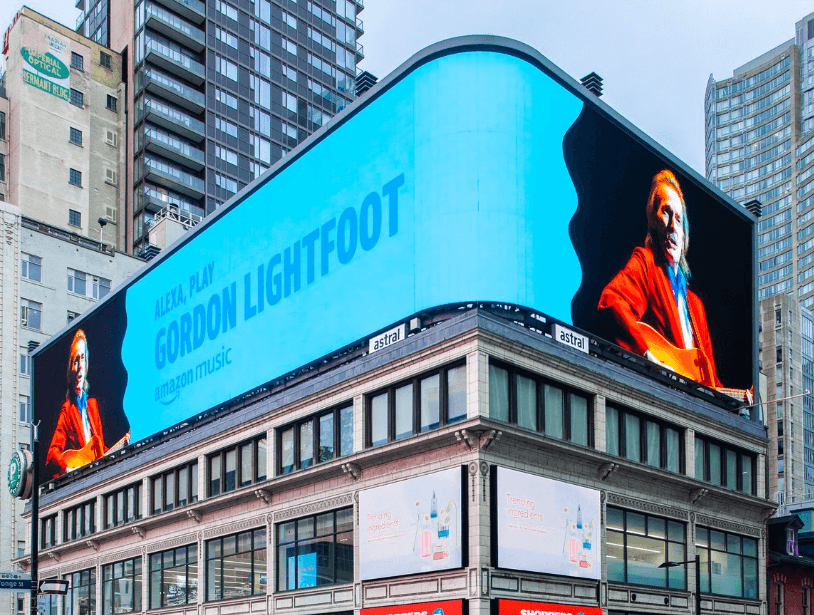
The core of safe installation of outdoor LED billboards is to simultaneously meet the standards of structural bearing capacity, electrical protection and environmental adaptability. Any lack of any one of them may lead to display failure, personal injury or loss of control of long-term operating costs. For B2B procurement and project implementers, safety specifications are not a post-event checklist, but technical boundaries that must be locked from the design selection stage.
Site and load assessment before installation is the starting point for safety
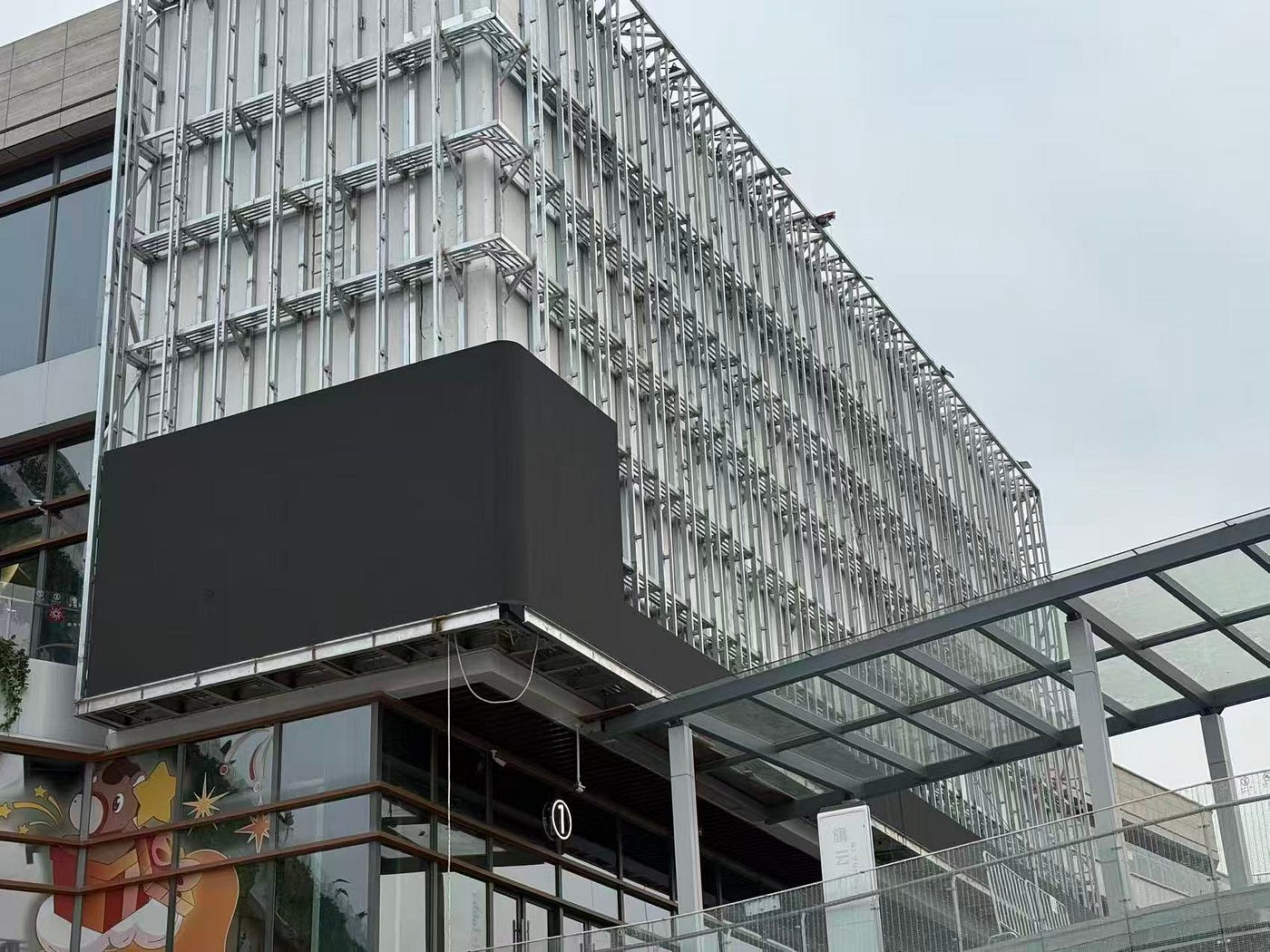
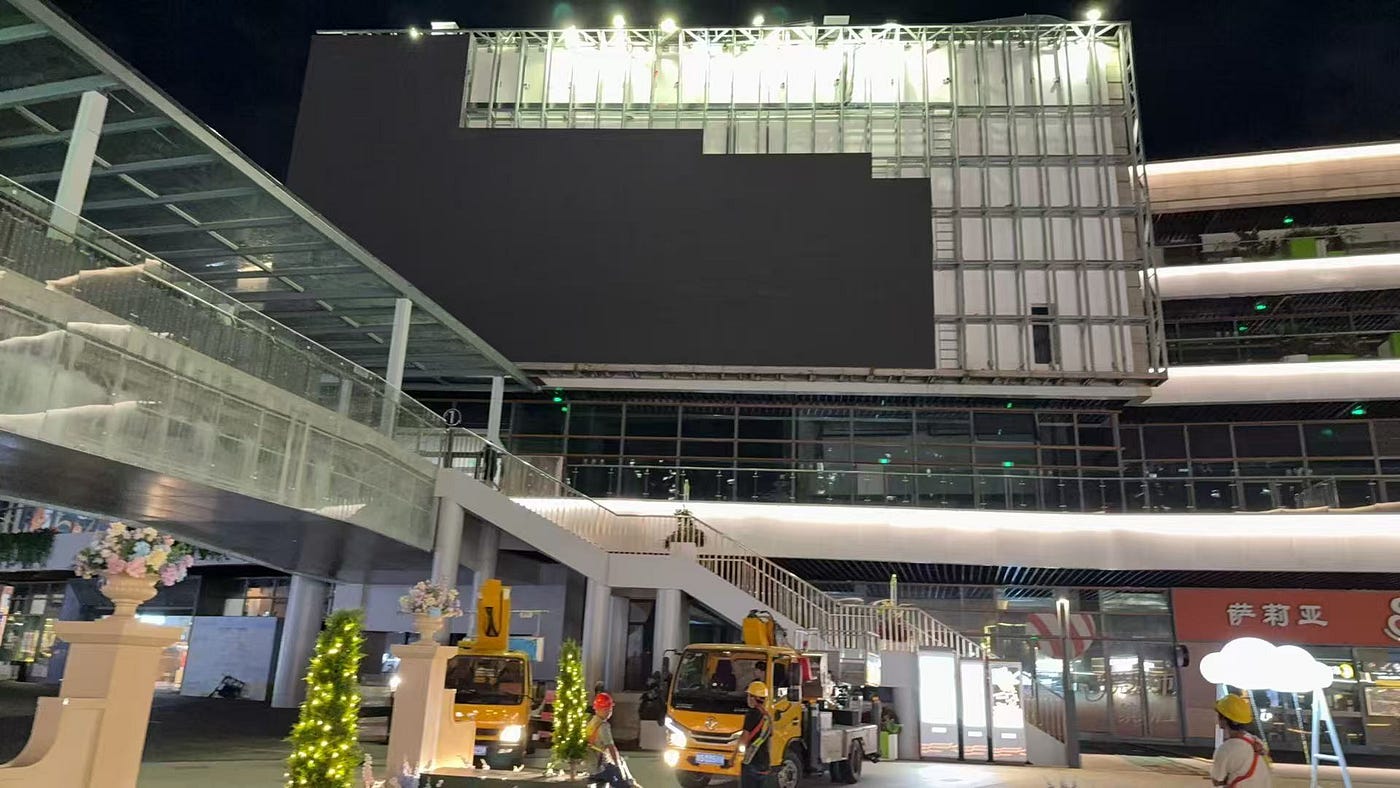
Outdoor LED billboards are usually installed on building facades, independent steel structure columns or roof platforms. Three-dimensional load calculations must be completed before installation: self-weight, wind load, snow load, seismic action and maintenance personnel load. China’s current relevant regulations require that billboard structures be checked based on the basic wind pressure that returns once in 50 years. Coastal or typhoon-prone areas need to increase it to once in 100 years or modify it based on local meteorological data. The foundation burial depth, concrete strength grade and anchor bolt specifications of steel structure columns must be consistent with the calculation sheet. It is prohibited to reduce the foundation size based on experience. When the bearing capacity of the foundation is insufficient, pile foundations or expanded foundations should be used, and settlement observations should be completed. During facade installation, it is also necessary to check the strength and anti-corrosion status of the embedded parts of the main structure of the building to avoid overall instability due to aging of the original structure.
Wind vibration and fatigue are hidden risks of outdoor billboards. Large-size displays will generate alternating stress under the action of pulsating wind. If the connecting nodes are not designed to resist fatigue, bolts may loosen or welds may crack within a few years. Therefore, the connection between the main beam and the secondary beam should be made of high-strength bolts and welded composite nodes, and dampers or reinforcing ribs should be set at key positions. Here is a guide to 200-inch LED displays.
Critical control points for structural installation

The hoisting of steel structures must be carried out according to the pre-prepared hoisting plan, and the position of the lifting point, the angle of the steel wire rope and the temporary support must be clearly defined. Before the display module is installed, the verticality and flatness deviation of the steel frame should be controlled within the allowable range of the specification — usually the verticality deviation of the column does not exceed 1/1000 of the height, and the flatness deviation does not exceed 3 mm/m. The connection between the module and the steel frame must have sufficient shear and pull-out resistance, and leave a gap for thermal expansion and contraction to prevent the screen from deforming or cracking due to the temperature difference between day and night.
Fall protection requirements must be followed when working at heights. Operators wear double-hook safety belts and hang them on independent lifelines. The bearing capacity of the temporary platform and scaffolding needs to be calculated empirically. It is strictly prohibited to operate at height at night or under strong wind conditions (Level 6 and above). Use special spreaders when hoisting the module to avoid deformation caused by directly binding the frame with wire ropes.
Electrical safety regulations determine long-term reliability

The electrical system of outdoor LED billboards must meet dual protection: one is personal electric shock protection, and the other is equipment overvoltage and overcurrent protection. The power incoming line should adopt a three-phase five-wire system, and a residual current protection device (RCD) and a surge protector (SPD) should be installed at the main incoming line. The grounding system adopts TN-S or independent grounding. The grounding resistance is usually required to be no more than 4Ω. In areas with high soil resistivity, it can be relaxed to 10Ω, but it must be achieved by adding grounding electrodes or resistance reducing agents. All metal components (steel frames, boxes, guardrails) must be reliably connected to equal potential.
The IP protection level of the display module and power box must reach at least IP65. Continuous sealant or waterproof tape is used at the joints of the box. Waterproof joints are used for the inlet and outlet holes and secondary sealing is done. Power lines and signal lines should be laid separately to avoid electromagnetic interference; optical fiber is preferred for long-distance signal transmission to reduce the risk of lightning-induced overvoltage being introduced through cables. The distribution box should be equipped with overload, short-circuit and over-temperature protection, and sufficient space should be reserved for heat dissipation. Provide you with IP65 outdoor LED display price guide.
Lightning strikes are a frequent source of failure for outdoor billboards. In addition to SPD, the steel structure itself should be used as part of the air-termination device, reliably connected to the building’s lightning protection system, or an independent air-termination rod should be set up. The cross-sectional area and quantity of grounding down conductors must comply with lightning protection specifications. It is prohibited to mix signal lines with lightning protection grounding.
Environmental adaptability and thermal management cannot be ignored

The outdoor environment has large temperature differences, high humidity, lots of dust, and strong ultraviolet rays. The display box material should have UV resistance and corrosion resistance, and the surface treatment (hot-dip galvanizing, powder spraying or fluorocarbon spraying) thickness and adhesion must meet the design requirements. The gaps between the modules and the drainage holes in the box must be designed to ensure that rainwater can be drained quickly to avoid short circuits or corrosion caused by accumulation of water.
Cooling is another key. High-brightness outdoor LEDs can quickly rise in internal temperature under direct sunlight in summer. The box needs to be equipped with a forced ventilation or heat exchange system. The fan and filter should be easy to replace, and temperature monitoring and automatic dimming protection should be set up. When the internal temperature exceeds the set threshold, the system automatically reduces the brightness or cuts off part of the power supply to prevent the LED chip and driver IC from overheating and failure.
Standardized actions for installation process and acceptance
The installation should be accepted in stages: after the foundation and steel structure are completed, the concealed engineering acceptance is carried out; after the electrical wiring is completed, the insulation resistance, grounding resistance and polarity tests are carried out; after the module installation is completed, the lighting test, brightness uniformity test and waterproof test are carried out. The waterproof test can be carried out by spraying water, and after a certain period of time, check whether there is any water seepage inside. After the entire screen is lit, a 48-hour aging test is required to record dead light, color cast and power consumption data.
Acceptance documents should include: structural calculation sheet, material certificate, weld flaw detection report, ground resistance test report, IP protection verification record and final lighting report. These documents are not only the basis for quality traceability, but also key materials for subsequent insurance and liability definition.
Safe continuation of the maintenance phase
Safety regulations don’t stop at installation completion. Regular inspections should cover the looseness of steel structure connectors, changes in ground resistance, SPD status indication, filter blockage and drainage hole smoothness. Maintenance work at heights also requires fall protection and weather restrictions. It is recommended to establish an electronic maintenance file to record each inspection data and replacement parts to facilitate predictive maintenance.
From a B2B project perspective, strict compliance with outdoor installation safety regulations directly reduces the entire life cycle cost. The structure and electrical are in place at once, which can significantly reduce rework and downtime losses caused by wind disasters, lightning strikes or corrosion; at the same time, it meets the review requirements of local construction authorities and power departments, and shortens the project approval and grid connection cycle. Procurement and implementation parties clearly require complete calculations, protection level certificates and lightning protection designs in the bidding documents, which is the most effective pre-emptive means to control risks.
The safety essence of outdoor LED billboards is “calculable, verifiable and traceable”. Only when the structural load, electrical protection and environmental sealing are in place at the same time, can the display system operate stably for a long time under complex outdoor conditions and provide reliable media value to brand owners and operators.
메타데이터
- post_id
- b6d3be4e6af0
- slug
- safety-regulations-for-outdoor-installation-of-led-billboards-b6d3be4e6af0
- url
- https://medium.com/@xiaohaoai208/safety-regulations-for-outdoor-installation-of-led-billboards-b6d3be4e6af0
- canonical_url
- https://medium.com/@xiaohaoai208/safety-regulations-for-outdoor-installation-of-led-billboards-b6d3be4e6af0
- author_url
- https://medium.com/@xiaohaoai208
- status
- ok
- fetched_at
- 2026-08-02 22:36:28