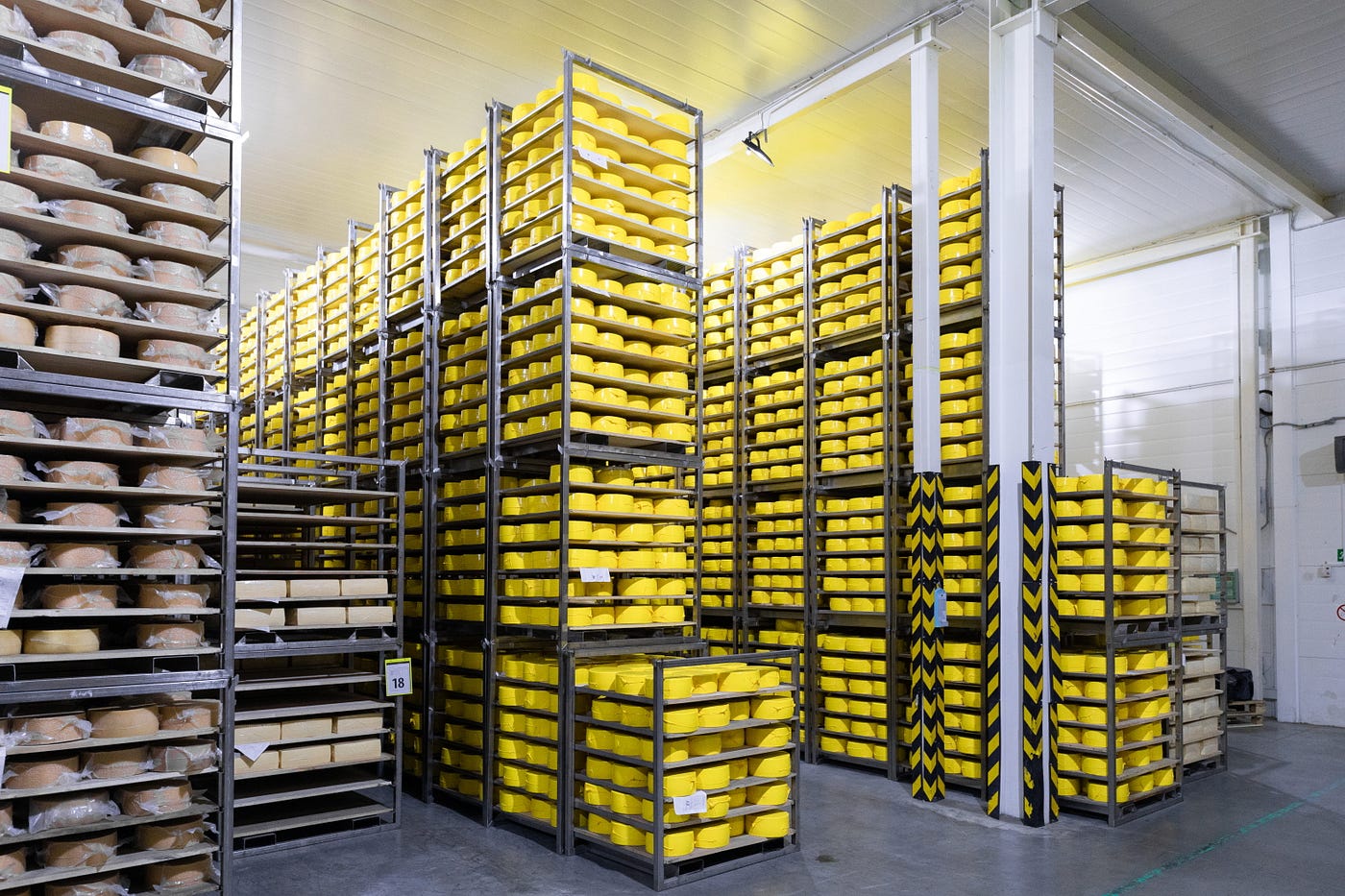
Understanding Commercial Cold Rooms: Types, Uses, and Benefits
Commercial cold rooms are essential for businesses that rely on temperature-controlled storage. From restaurants and supermarkets to…
Understanding Commercial Cold Rooms: Types, Uses, and Benefits

Commercial cold rooms are essential for businesses that rely on temperature-controlled storage. From restaurants and supermarkets to pharmaceutical companies and food processing facilities, cold rooms help preserve product quality, reduce waste, and comply with safety regulations.
Choosing the right cold room isn’t simply about selecting the largest storage space. Different businesses have different cooling requirements, and understanding the available options can help you make a smarter investment that improves efficiency and supports long-term growth.
What Is a Commercial Cold Room?
A commercial cold room is a specially insulated storage area designed to maintain a consistent temperature for perishable goods. Unlike standard refrigerators, cold rooms provide significantly more storage capacity and can be customised to meet the needs of different industries.
They are commonly used for storing:
- Fresh food
- Frozen products
- Dairy items
- Meat and seafood
- Fruits and vegetables
- Pharmaceuticals
- Flowers
- Beverages
Modern cold rooms are designed to operate efficiently while maintaining precise temperature control to protect valuable inventory.
Types of Commercial Cold Rooms
Not all cold rooms serve the same purpose. Selecting the correct type depends on the products being stored and the required temperature range.
1. Chiller Cold Rooms
Chiller rooms typically operate between 0°C and 5°C.
They are ideal for storing:
- Fresh vegetables
- Dairy products
- Drinks
- Prepared foods
- Flowers
These rooms help extend shelf life without freezing products.
2. Freezer Cold Rooms
Freezer rooms operate at temperatures below -18°C, making them suitable for long-term frozen storage.
Common applications include:
- Frozen meat
- Seafood
- Ice cream
- Frozen vegetables
- Ready meals
They are widely used in supermarkets, food distributors, and catering businesses.
3. Walk-In Cold Rooms
Walk-in cold rooms provide easy access for staff and can be customised in various sizes.
They are commonly installed in:
- Restaurants
- Hotels
- Hospitals
- Food manufacturing facilities
- Large retail stores
These rooms offer excellent storage capacity while improving workplace efficiency.
4. Modular Cold Rooms
Modular cold rooms are built using prefabricated insulated panels.
Advantages include:
- Faster installation
- Easy expansion
- Flexible layouts
- Cost-effective upgrades
Many businesses choose modular systems because they can grow alongside their storage requirements.
Industries That Depend on Cold Rooms
Commercial cold rooms play a vital role across numerous industries.
Restaurants and Cafés
Restaurants use cold rooms to safely store fresh ingredients, beverages, dairy products, and prepared meals.
Supermarkets
Retail stores rely on cold rooms for stock management before products are placed in display cabinets.
Hotels
Hotels require large cold storage areas to manage food supplies for restaurants, events, and room service.
Pharmacies and Healthcare
Medical facilities use temperature-controlled storage for vaccines, medicines, and laboratory materials.
Food Processing Companies
Manufacturers depend on cold rooms throughout production, packaging, and distribution.
Benefits of Installing a Commercial Cold Room
Better Product Quality
Maintaining the correct temperature preserves freshness and extends product shelf life.
Reduced Food Waste
Proper cold storage prevents spoilage, reducing unnecessary losses and improving profitability.
Improved Energy Efficiency
Modern cold rooms feature advanced insulation, energy-efficient compressors, and smart temperature controls that reduce electricity consumption.
Increased Storage Capacity
Unlike multiple refrigerators, a cold room provides a centralised storage solution that makes inventory management much easier.
Regulatory Compliance
Businesses handling food or pharmaceuticals must comply with strict temperature regulations.
A professionally designed cold room helps maintain consistent temperatures and supports compliance with industry standards.
Features to Look for in a Commercial Cold Room
When investing in a cold room, consider features such as:
- High-quality insulated panels
- Energy-efficient refrigeration systems
- Digital temperature monitoring
- Non-slip flooring
- Heavy-duty shelving
- LED lighting
- Emergency safety release systems
- Smart monitoring technology
These features improve reliability, safety, and operating efficiency.
Why Professional Installation Matters
A cold room is only as reliable as its installation.
Professional installation ensures:
- Correct insulation
- Proper airflow
- Accurate temperature control
- Efficient refrigeration performance
- Compliance with safety standards
Poor installation can lead to higher running costs, uneven cooling, and premature equipment failure.
Keeping Your Cold Room Performing Efficiently
Regular maintenance helps maximise the lifespan of your cold room.
Best practices include:
- Cleaning condenser coils
- Inspecting door seals
- Monitoring temperatures daily
- Keeping evaporators clean
- Checking refrigerant levels
- Scheduling routine servicing
- Avoiding overloading storage space
Preventive maintenance reduces the risk of unexpected breakdowns while improving energy efficiency.
Is a Cold Room the Right Choice for Your Business?
If your business stores large quantities of temperature-sensitive products, a commercial cold room can provide greater storage capacity, improved organisation, and lower operating costs compared to using multiple refrigerators or freezers.
Whether you’re expanding an existing facility or setting up a new operation, choosing the right cold room ensures your products remain protected while supporting efficient day-to-day operations.
Final Thoughts
Commercial cold rooms are a long-term investment that offers reliable, temperature-controlled storage for a wide range of industries. By understanding the different types available and selecting the right solution for your business, you can improve efficiency, reduce waste, and protect valuable inventory.
If you’re looking for cold room installation, commercial refrigeration installation, walk-in freezer installation, or commercial refrigeration maintenance in Glasgow, RS Climate Control provides tailored refrigeration solutions for businesses across multiple sectors.
메타데이터
- post_id
- b7179add8a56
- slug
- understanding-commercial-cold-rooms-types-uses-and-benefits-b7179add8a56
- url
- https://medium.com/@rsclimatecontrolltd/understanding-commercial-cold-rooms-types-uses-and-benefits-b7179add8a56
- canonical_url
- https://medium.com/@rsclimatecontrolltd/understanding-commercial-cold-rooms-types-uses-and-benefits-b7179add8a56
- author_url
- https://medium.com/@rsclimatecontrolltd
- status
- ok
- fetched_at
- 2026-09-07 02:53:25