Silicon Valley Has A New Buzzword: The Permanent Underclass
And the people saying it loudest are the ones actively building it.
Silicon Valley Has A New Buzzword: The Permanent Underclass
And the people saying it loudest are the ones actively building it.
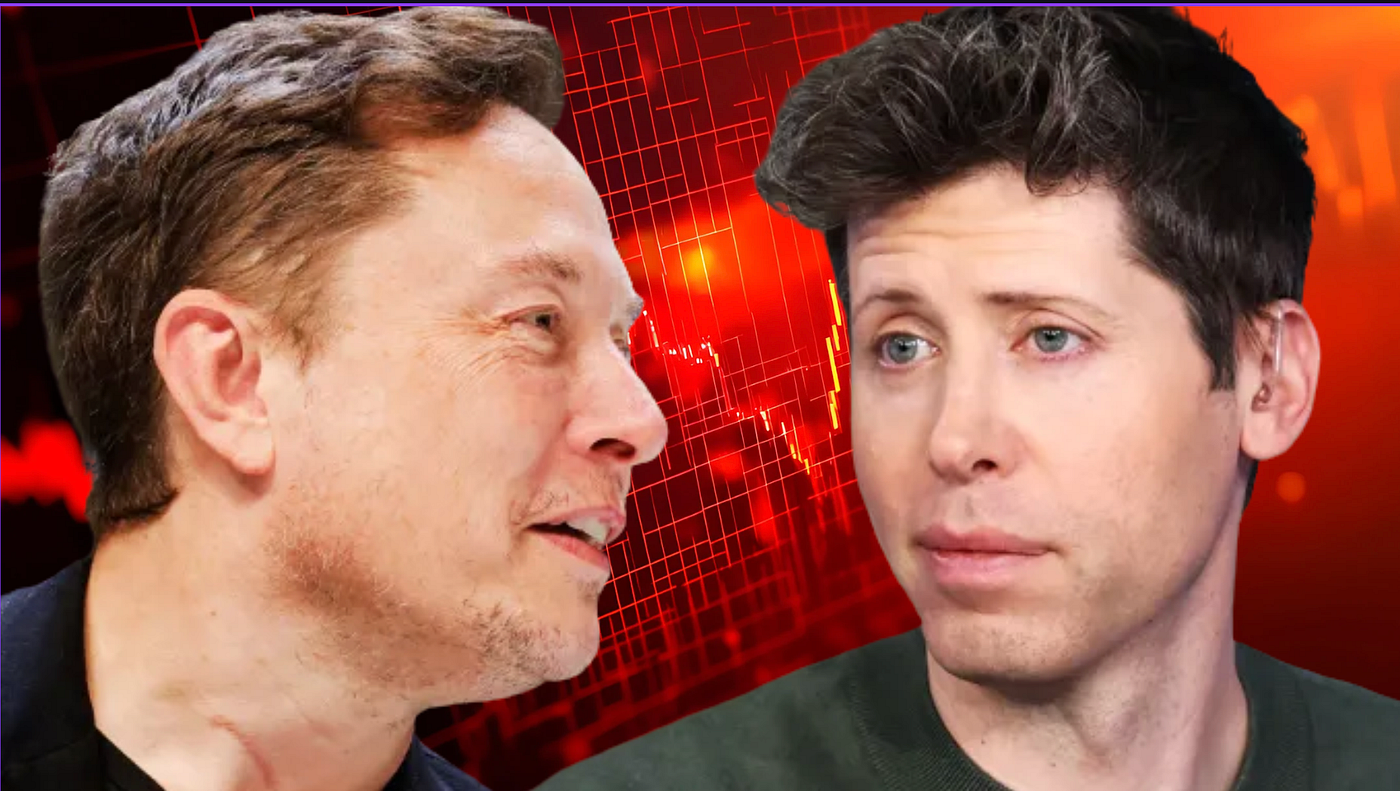
What the phrase actually means
The permanent underclass isn’t a new concept.
Economist Gunnar Myrdal coined it in the 1960s to describe people cut off from mainstream society after rapid de-industrialization.
Long-term unemployed. Underemployed. No path back in.
What Silicon Valley is doing now is applying that same framework to AI displacement.
The pitch — if you don’t achieve financial independence before the machines take your job, you fall into the underclass permanently.
No ladder back up. No escape.
Which would be a more compelling warning if it weren’t coming from the people building the machines.
The actual economic structure underneath this
Money printing and deficit spending since 2008 created inflation — but not in goods. In assets.
Quantitative easing flooded the financial system. That money didn’t flow to wages. It flowed to people who already owned assets.
Stocks. Real estate. Equity stakes in private companies.
So for fifteen years asset prices exploded while wages stagnated. The gap between people who own things and people who sell their labor for income got dramatically wider.
That’s the structural problem underneath the permanent underclass anxiety.
Not AI specifically. Asset concentration. AI is accelerating it.
The luck problem nobody wants to say out loud
Two engineers. Same schools. Same talent level. Same work ethic. One goes to a self-driving startup acquired by Google — life-changing money. One goes to Cruise — the car hits someone, company shuts down, stock worthless.
Same inputs. Completely different outcomes.
That luck dynamic is what’s driving the existential dread in Silicon Valley right now.
Tens of thousands of Anthropic, OpenAI, and SpaceX employees are about to become millionaires through IPOs this year. Their peers who went to different companies — same schools, same hours, roughly same ability — are watching it happen from the outside.
The anxiety isn’t really about AI taking jobs. It’s about watching people you consider your equals become astronomically wealthier through timing and luck while you’re still vesting.
The education trap
College tuition up 312% in inflation-adjusted terms since 1963.
Average federal student loan balance — nearly $40,000 per borrower.
The tool that was supposed to be the ladder now starts people off in a financial hole that takes years to escape. Entry-level salaries haven’t kept pace. The debt compounds while you’re still figuring out how to get your first job.
Entry-level tech postings specifically have dropped 50% at major companies compared to pre-pandemic levels.
So the ladder got more expensive. The rungs are fewer. And companies are using AI as cover to justify cuts they wanted to make anyway — Deutsche Bank called it AI redundancy washing in January.
☞ On medium I tell you what happened, on patreon I tell you what’s next
📌 Join here → Patreon 📌
📖 Read Now — Stocks, Bitcoin or Gold? Which is Better Right Now?
The marketing angle
Sam Altman spent years saying AI would create the first one-person billion dollar company. That it would replace half of all jobs. Dangerous. Powerful. Invest now.
Then his IPO got closer and the regulatory scrutiny got louder.
Suddenly — AI is actually great for jobs. Creates more than it destroys. Expands human potential.
Both versions feel like marketing. First version made the product sound scary and important. Second version makes investors and regulators less nervous before the biggest IPO year in recent memory.
The truth is probably somewhere in the middle. It just looks like they’re lying in both directions depending on what’s convenient.
The IPO situation that makes this all converge
Anthropic, OpenAI, and SpaceX all going public this year.
All waiving normal profitability requirements. Accelerated timelines. Extreme valuations. All the growth happened in private markets where regular people couldn’t participate.
Now they’re bringing it public right at the top.
The parallel to 2000 and 2001 is hard to ignore. Companies with real technology and real promise. Valuations completely disconnected from current revenue. IPOs that pop on day one because of hype. Then six months later you look at the chart.
The irony at the center of all of this —
The permanent underclass narrative says you need to achieve financial independence before AI displaces you.
The way to achieve that financial independence is to own equity in the companies building the AI that will displace everyone else.
You escape the underclass by investing in the thing creating it.
Which is objectively the rational individual move.
And completely perverse as a social arrangement.
I can only write limitedly on Medium
So I had to leave out the deeper parts, this was just the surface, the plot thickens ➻ HERE
❤️ If you like my articles, please consider supporting me with some donation here
메타데이터
- post_id
- b726df4a5b82
- slug
- silicon-valley-has-a-new-buzzword-the-permanent-underclass-b726df4a5b82
- url
- https://medium.com/wall-street-gradient/silicon-valley-has-a-new-buzzword-the-permanent-underclass-b726df4a5b82
- canonical_url
- https://medium.com/wall-street-gradient/silicon-valley-has-a-new-buzzword-the-permanent-underclass-b726df4a5b82
- author_url
- https://medium.com/@shubhranshrai
- status
- ok
- fetched_at
- 2026-06-14 16:15:44