The LEGO challenge (which still needs a better name…)
AKA that time I turned into a lil LEGO Darth Vader and tried to sumbit the team to my will with the power of my brain….
The LEGO challenge (which still needs a better name…)
AKA that time I turned into a lil LEGO Darth Vader and tried to sumbit the team to my will with the power of my brain….
WARNING … if you want to be a participant first DO NOT READ get a facilitator to run it with you and your team, facilitators read away, instructions after the eyeball illustration
‘The LEGO challenge’ (I think its sad it never got a better name over the years so I am all ears) I genuinely love this exercise, I’ve run it a gazillion times at Hyper Island where I first experienced it and beyond in orgs, I love seeing it out in the wild being run by the alum with their teams like Niklaus Gerber in the conversation then post that sparked this blog.
However, my core memory is still doing it for the first time. BUTTTT before I dive into that, what the hell is it?
It’s simple. small groups, a pile of LEGO, and a shared task to build something together. nothing too fancy or over-engineered. Lovely we build a lil LEGO model together, OK nothings that simple in learning world!. Throwing an almighty team working spanner in the works comes the challenges, each participant is handed a challenge, only they know what it is and they must all build a LEGO structure, in silence, yep complete silence, whilst each completing their task.
Again the tasks are seemingly simple like “You are the only one allowed to build (put bricks together) in the first 3 layers of the building” Easy… NOT so easy when someone starts dismantling your layers because they are tasked with “You have to make sure that the first layer (layer 1) of the building consists of exactly 10 bricks” And you do not know why and cannot clearly communicate with them
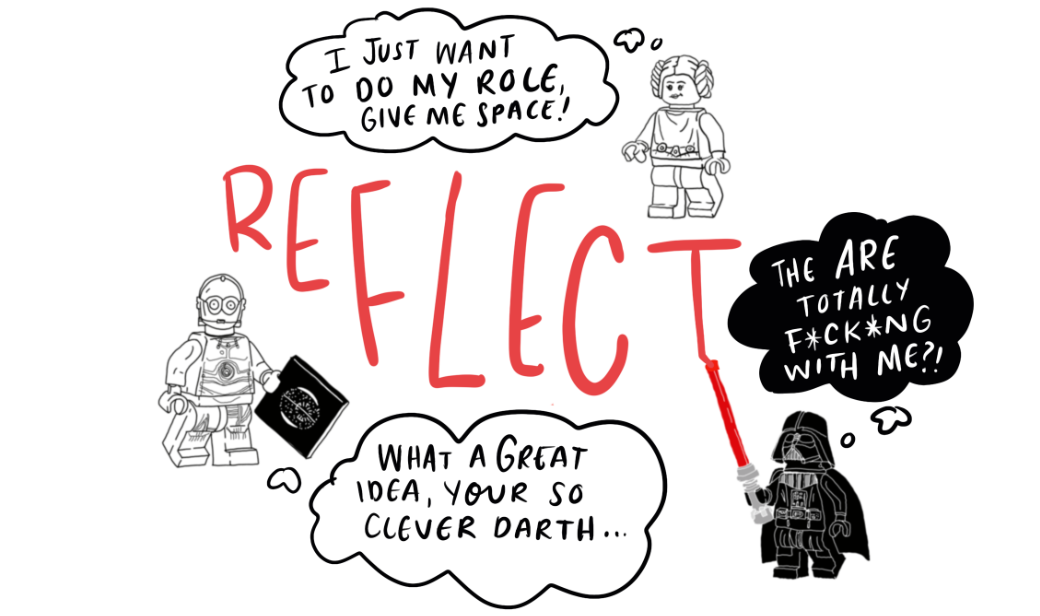
Its easy to create a scenario in your head that doesnt exist, talk to your team, reflect together, communicate
Hello frustration city
I have seen some teams flare up in the first 2 minutes, or mime HARD like a troop of Marcel Marceaus and others calmly seem to have mastered telepathy.
I have also seen cheating, eh hem I mean clever hacks… Be VERY clear on the instructions
It’s silent, you cannot text/slack your challenge, or write it on notes, or share the original slip of paper. (I used to get them to throw it away after reading, but many people, myself included, forget their exact challenge seconds later) Write the rules up, be super clear.
Many will think it’s about the structure, they think there’s some perfect build, a lot think its all about the height, or the stability, they will look at the other tables with glee think theirs is the tallest, ignoring two angry people at the table who have been ignored and not completed their tasks as the others ploughed forward in an effort to build tall and fast at any cost
AND thats what the game brings out, its a moment in time, not project work related, but all about the way we work as teams. Now more than ever when we are remote/hybrid/working asynchronously not everything, or everyone is visible. How leadership emerges or doesn’t. how people react when things feel unclear or a bit uncomfortable. who steps forward or hangs back, the silence fillers, tension breakers, and avoiders. It surfaces all that annoying stuff we tend to carry into our day jobs, just faster and a bit more obvious.
They play, they reveal their challenges at the end, along with a recurring theme of “NO WAY,I thought your task was to sabotage me!!!” You have a cathartic breather, its really important to allow them to let got of the feelings and laugh together as they see the reveals. Do not go to quickly into reflection, but also do not leave it too long…. Because now the hard work starts…
Reflection
Back to that first time.
I was in Sweden, part of a mixed group, three tables spaced out across a room that smelled like cinnamon buns… Ie DELICIOUS. each table had a completely different energy. you could feel it shifting as we went. ours had that mix of frustration with little bursts of laughter. another table looked calm, almost too calm. and one well it looked like it was slowly unravelling. (It was it came out LOUD n clear in the cathartic reflection
No one really knew what was going on, and my brain was coming out with a million conspiracy theories a minute.
And then we stopped and talked about it. PHEWEEEEEEEE
It was one of those moments where something just clicked in my head, not in a big dramatic lifechanger, but properly. it made me notice how I navigate the world a bit more clearly, which actually combined with lots of these exercises was a life changer TBH, what I assume, how my behaviours pop out, how they effect others. how I communicate, or don’t, that was a BIGGIE, what I notice in others, and what I completely miss. It landed I 100% still feel it today over 10 years later
I’ve gone back and done it as a participant a few times since. I think that matters. feeling facilitation from the other side keeps me grounded, even knowing the reveal is OK, yep it steals that bit so if you are doing this as a participant with new people dont be THAT person and steal their learning moment by telling them, have a different experience, lean in, every group is different, people react differently, and there is always something new to notice in yourself, it’s brilliant with colleagues too, a bit like a reflective team deep brain massage.
How to run it… yep get to the point Tash
Keep it simple… do not overcomplicate as it loses the learning
These instructions are for in person, if you want to run online, the brilliant brain that is Jorik Elferink created an online version you can access in his blog
Timing and group size Allow 60–90 minutes, the reflection needs space so allow for this I have run with 12 people and up to 40–45 I feel smaller groups dig more into the reflection so a lovely group of 15/20 split into 3/4 teams works well
Set up Split people into small groups, 4 to 6 works well. Seat them at separate tables with a pile of LEGO bricks on them (We had bags of pre mixed bricks with the colours needed plus a few random ones and lil LEGO people)
Each is going to build a lego structure, each member of that team will be given a task, they must not share the task with their peers, no messaging or showing each other. And this MUST be done in silence.
Ask if that is clear, pause, remind them for the rest of the activity they must remain completely silent, pause again, they say until I call time, you keep building and remain silent.
At this point give out the printed instruction slips (I have created a printable asset) I suggest folding the slips up, you can have in a lucky dip envelope on the table or give out as facilitators WARNING — if you give them out, they will over think why you gave them that challenge
Remind them not to share, you will be amazed at how people go OHHH or ask someone next to them to read it to confirm their understanding (I almost did!)
Run it step back and let them get on with it. resist jumping in. its messy chaos, only step in if they talk, go to share challenges or look like frustration maybe tipping into something else (Rare, but does happen, be clear in instructions if you have characters that may do this… its a game)
watch what happens. who speaks. who doesn’t. how decisions get made. how people react when things don’t quite line up.
Reveal Call time, congratulate them on their magnificent structures, let them look round the room, then say ‘you can speak now, feel free to share your challenges” as mentioned, let them have a cathartic pause and laugh a bit before jumping into reflections.
I like to run it this way, BUT if I have more time and the room feels it can take it I do a mini reflection pre the reveal, then a longer reflection after the reveal
Work with your rooms need, Niklaus Gerber ran these prompts in the pre reveal (post prompts follow later)
What did you notice during the build? Where did friction show up? Who led, and how? What did silence force you to do differently?
Reflect Bring everyone back and slow it right down.
Ask them to take a minute on post its to think about their behaviours, how did it feel, what did they notice about THEMSELVES, what helped, what got in the way, emphasise if needed its about learning, not a blame game, the idea is they start connecting the exercise to how they actually show up in teams, it helps create a really honest conversation without calling anyone out.
After some quiet reflection let them share back in teams, allow 1–2 minutes per team member, remind them to leave space for everyone to share.
After they have shared, ask for some reflections in the room, I usually start with asking the leaders how it felt for them, its an easy one to surface and gets people sharing, note down the themes, nudge them on speaking from the ‘I’, and the behaviours they showed and why
Prompts for reflection
What happened during the task? How did we work as a group? How did the experience make me feel? How did I behave / respond / react? What did I learn about myself? What did I learn about groups? How can I apply insights from this activity?
Again Niklaus did the pre reveal Qs then ran the post reflections below
How did I behave when I couldn’t explain myself? What did I learn about how I handle constraints? What did I learn about this group? How much of this happens in our actual work — without the silence making it visible?
Pull on that last one in the open reflection, ground it back into their practice how does remote working/hybrid affect this? or working asynchronous, how will AI being a co pilot effect this? What could you do to help yourself and the team in future etc etc
Ask them to think about one thing they are taking from the exercise, share a few
The goal
IMO its all around helping a team (or indies, works well in mixed teams) experience what collaboration really feels like when information is uneven and priorities aren’t fully aligned, rather than just talking about it. Its like real day to day, but its removed into a play setting so you can deep dive into the reflection part and it does not feel to embedded in the job where there is usually a load of complicated feelings attached already
The outcome
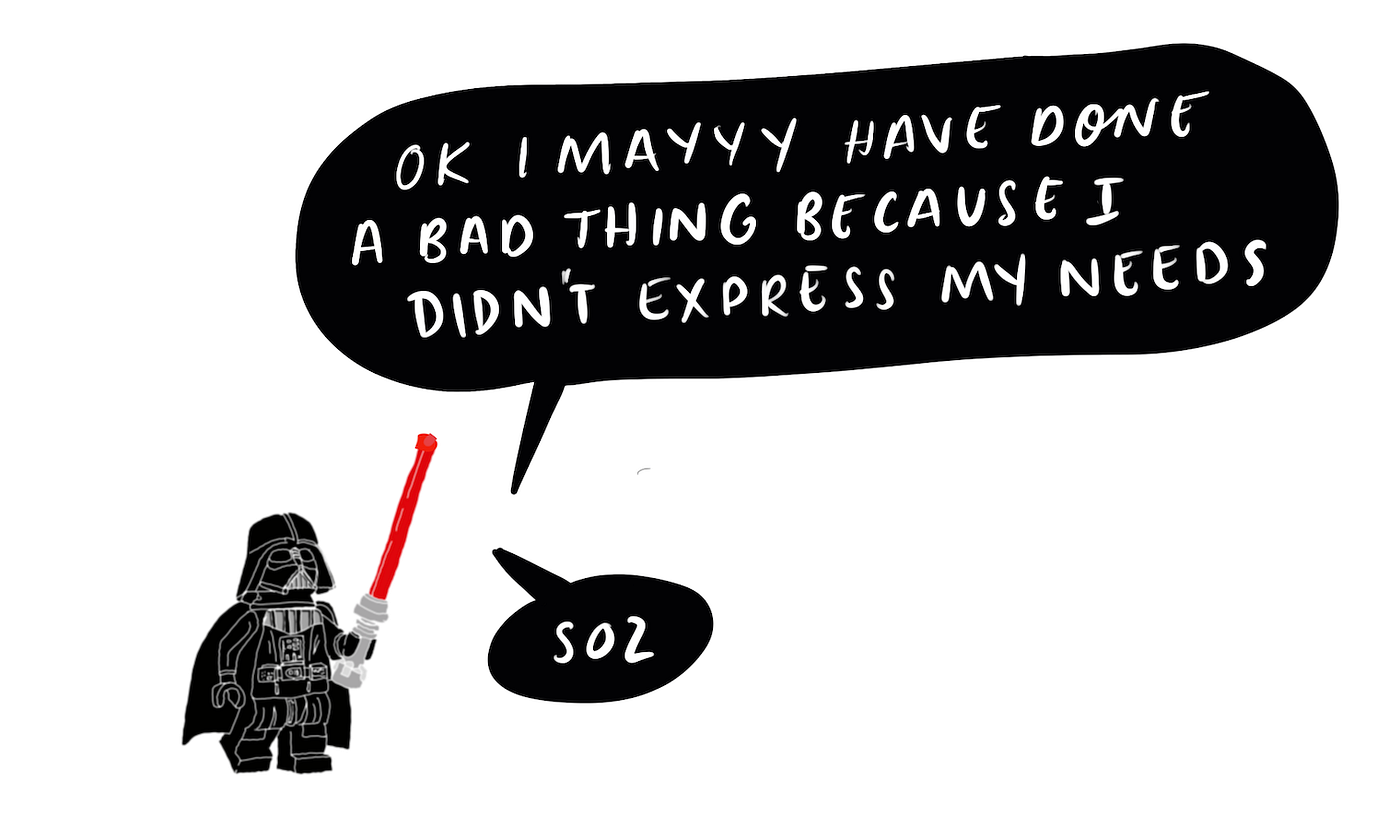
….is hopefully a clearer, shared understanding of how the team/indie communicates, how leadership can shows up… or not, where friction comes from, I have seen conflict rise quickly, so reflecting on the feeling, behaviour and action, why did I feel and behave that way, what happened etc Plus a layer on how they approach problem solving, the reflection needs to connect back into their realitty what they might shift going forward.
why it works
Because it doesn’t tell people how to behave, it lets them see it for themselves.Learn by doing my friends… LEARN by DOING
I feel it creates just enough tension to surface real behaviours, but in a contained way, I will caveat, do everything you can to build and keep building a safe space with them, have a few rules in the room up visually, let people know their edges like
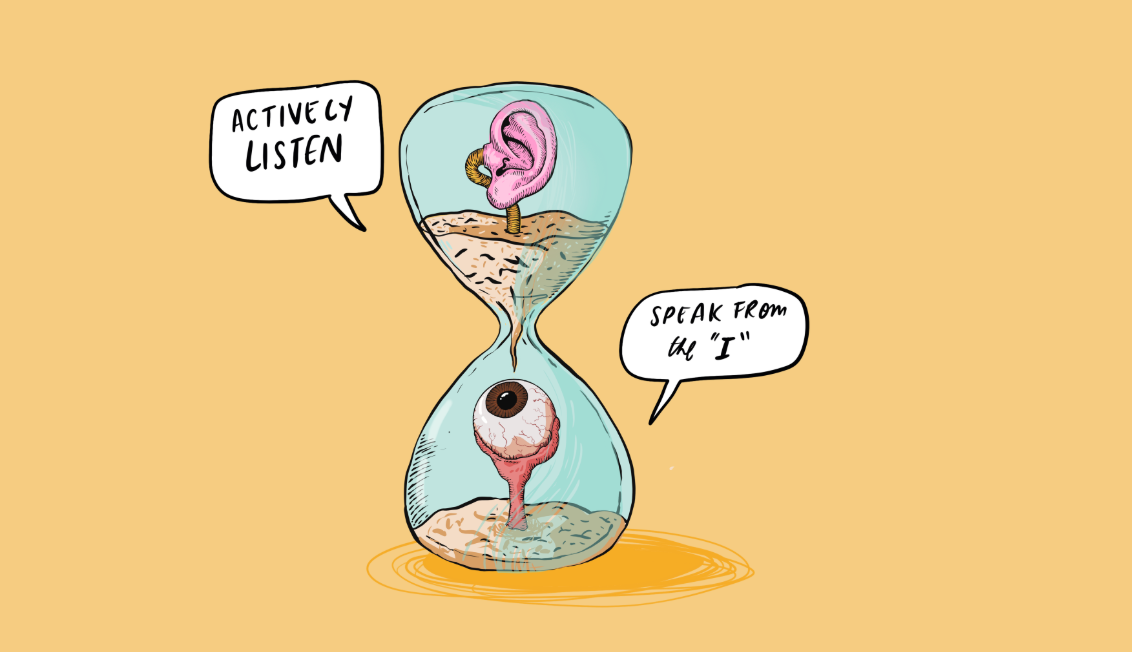
- Speak from the ‘I”
- No sweeping statements
- With hold judgement
- Actively listen
- One voice at a time
Then people can try things on, notice patterns, and reflect without it feeling personal, focussed on a spikey project thats in play or to heavy.
Every group is different, I have run so many times and tho some reflections are similar, the room always reacts differently and it consistently surfaces something that makes me go ‘oh thats new’ because of that it never really gets old. people try to find shortcuts, get frustrated, laugh, mime, go quiet, take over. it plays out the same but very different every time.
But it’s always the reflection that matters. that’s where the learning lands, do not just do the frustrating fun bit and skip the reflection, thats the juice that oils our working bones
If you have run it and have any top tip sor reflections please share in the comments
Small tweaks
IF you want to mess with them a bit more and the room all know each other, I sometimes put more red bricks on one and the team need to take bricks off another table to do the task, do not do this the first time you facilitate it, but lil tweaks like this are fun with more established teams, BUT AGAIN DO NOT make it so complex it distracts from the learning
Further reading Session Lab have written instructions Jenny Theolin talks play at work Lego Serious Play Hyper toolbox, it does not seem to be in here?
메타데이터
- post_id
- b72b002ea64f
- slug
- the-lego-challenge-which-still-needs-a-better-name-b72b002ea64f
- url
- https://medium.com/design-bootcamp/the-lego-challenge-which-still-needs-a-better-name-b72b002ea64f
- canonical_url
- https://medium.com/design-bootcamp/the-lego-challenge-which-still-needs-a-better-name-b72b002ea64f
- author_url
- https://medium.com/@tash-willcocks
- status
- ok
- fetched_at
- 2026-07-11 09:54:15