Charcoal Cartography of Minato: A Live-Fire Guide to YAKINIKU 37 and Its Trans-Pacific Echo…
Minato City earns its reputation at night. Lights settle into the avenues, conversations stretch, and somewhere behind a glass door a small…
Charcoal Cartography of Minato: A Live-Fire Guide to YAKINIKU 37 and Its Trans-Pacific Echo, “Minato City Yakiniku — Yakiniku 37 West NY”
Minato City earns its reputation at night. Lights settle into the avenues, conversations stretch, and somewhere behind a glass door a small grill glows like a lighthouse. YAKINIKU 37 is one of those doors. This is not the kind of restaurant that shouts; it invites. You sit, the grate warms, and a quietly choreographed meal begins to unfold — lean to rich, crisp to glossy, salt to tare. If you landed here while searching for Minato City Yakiniku — Yakiniku 37 West NY, you are really chasing one idea written in two places: disciplined sourcing, heat handled with respect, and hospitality that moves at your pace. Use this guide as a field manual. It shows you how to get in, what to order, and how to navigate the evening like you have been coming here for years.
Before you go, set up the basics. Save directions so the last half block is effortless via the pinned map to YAKINIKU 37 in Roppongi. If your plans are firm, lock a time through the reservation portal and add any preferences. Want a first look at tonight’s energy, plating, or a just-arrived cut? A quick scroll of the restaurant’s photo feed will tell you more in a minute than a dozen adjectives. And if you are the kind of diner who likes to trace culinary lineages, there is a useful primer on the Futago approach to meat selection and trimming that helps the rest of this article make even more sense.
What follows is a long, practical playbook: twelve sections you can dip into or read straight through. The sections are organized the way a great yakiniku dinner feels — calm start, steady build, big finish, soft landing — so you can translate reading into action the moment you sit down.
Table of Contents
- Minato After Dark, Why Yakiniku Lands Differently Here
- How Not to Miss the Door: Pin, Walk, Enter
- Book Like You Live Here: Prime Slots, Shoulder Hours, Group Strategy
- The Cut Index: Tongue, Harami, Sirloin, Karubi, and How They Behave on Heat
- Firecraft 101: Zones, Timing, Resting, and Flare Management
- A First-Timer’s Flight Path That Eats Like a Regular’s Order
- Sides and Bright Things: What to Place Between Bites of Beef
- Salt, Citrus, and Tare: Seasoning for Clarity, Not Camouflage
- Glassware That Works: Highballs, Clean Sake, Tea, and Water Pacing
- Value Without Compromise: Portioning, Sequencing, and Second Rounds
- Hospitality the Minato Way: Dietary Notes and Shared Etiquette
- Two Cities, One Flame: The Yakiniku 37 West NY Connection
1) Minato After Dark, Why Yakiniku Lands Differently Here
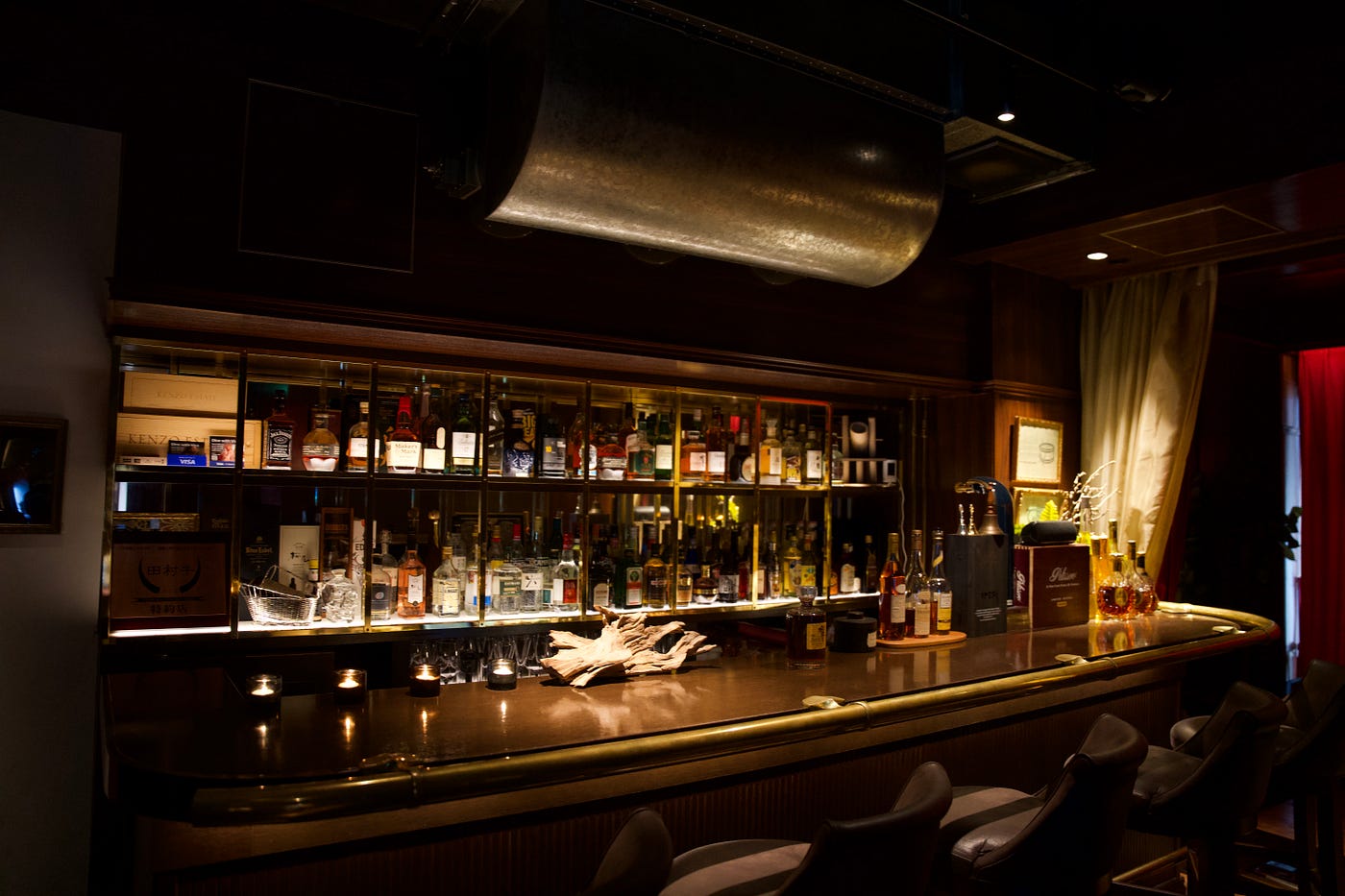
Minato City is a study in deliberate contrast. Executive suits at six become gallery goers at eight and late-night regulars by ten. Yakiniku fits this rhythm because it is both personal and performative; the action is on your table, but the room hums together. YAKINIKU 37 leans into that balance. The space is compact and clear. Ventilation is tuned just right so smoke feels like a flavor, not a fog. The mood is focused without being stiff, friendly without leaning noisy. This is Minato, after all — business is done here, anniversaries are toasted, travelers learn what the city actually tastes like.
What distinguishes Minato City yakiniku from a dozen other neighborhoods is the tempo. The meal feels like a well-paced conversation. It starts with crisp consonants — gyutan’s mineral snap — slides into vowels — harami’s deeper beef tone — then resolves in an exclamation point of glossy karubi. That sequence is not an accident. It is the logic of a kitchen that trims for seconds rather than minutes and a floor team that watches your grate the way a sommelier watches a glass. Checking the room’s cadence before you book pays off; a thirty-second look at recent photos on the restaurant’s Instagram gives a nightly snapshot you can read at a glance: which sides are bright, which cuts are singing, what the crowd looks like tonight.
If this is your first entry to Minato’s yakiniku scene, give yourself the gift of easy wayfinding. Pin the spot here so the last fifty meters do not turn into three extra texts and an awkward loop around the block. The calm you keep at the door is the calm you bring to the grate.
Inline help, should you need it: tap for the Google Maps pin or peek at the room’s mood via @yakiniku_37.
2) How Not to Miss the Door: Pin, Walk, Enter
Tokyo addresses can be a gentle riddle for newcomers and locals on a new block alike. Solve it up front. Save the exact location so you are not improvising at the corner where the street angles strangely and signage gets coy. The Minato neighborhoods around Roppongi and Shimbashi are kind to walkers, but time disappears quickly when groups try to align by chat. Share the map before you leave rather than after you think you are close. A two-minute decision at home can save a ten-minute scramble in the street.

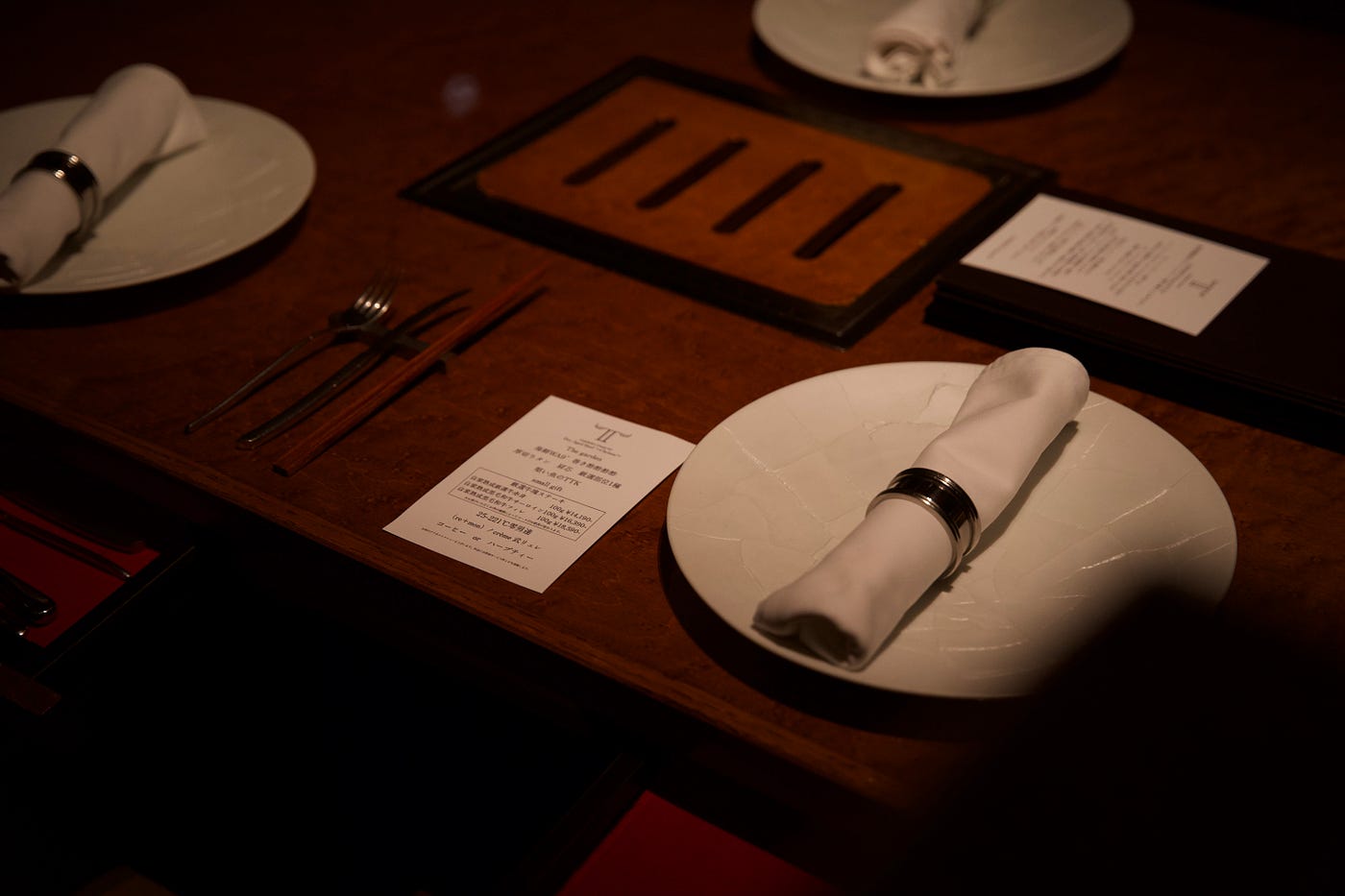
Once inside, you notice the non-noticeables first. The room is set for conversation; tables are close enough to borrow a little energy from neighbors but far enough that you keep your own story. The grills sit quietly until they do not, and when the first sizzle lands you understand why people cross town for this. If the staff offer a particular table, accept their suggestion. They know which stations are easiest to support with quick grate swaps and which aisles carry the best line of sight for coaching your timing.
If you are coordinating friends from different directions, use a simple tactic: tell everyone to open the Google Maps location and hit “save.” Then send a one-line note with your booking time and your name. Minato has a way of making small efforts pay big dividends; starting the night without friction is one of them.
For context beyond Tokyo, there is a neat profile of the brand’s New York sibling on JapanRestaurant.net that can help out-of-town guests understand the through-line before they arrive. It is not required reading, just a nice preface.
3) Book Like You Live Here: Prime Slots, Shoulder Hours, Group Strategy
Tokyo rewards decisive planners. If your date is set, book it and move on. The fastest route is the live availability page here on TableCheck. Even if the URL says West NY, many diners use it as a fast path to the brand’s booking flow. If you keep your eye on two windows — an early 17:30 start or a post-rush 20:45 — you will find calmer rooms and more attentive pacing. Those shoulder hours are the city’s secret to making a busy night feel unhurried.
For pairs, walk-ins can sometimes work. For four or more, anchoring a time is common sense. If you are the kind of host who likes to make it easy on the house, drop a note into your booking with any dietary considerations so the kitchen preps quietly in the background. You will feel the payoff when plates arrive in a sequence that respects your table’s lane.
The day before, send the group two links and nothing else: the reservation confirmation and the map pin. If someone is new to the style, share the brand’s Instagram so they can see how thin tongue is sliced or how bright the seasonal tomato salad looks tonight. None of this is mandatory, but it compresses the first ten minutes — the fussy ones — and gives your table a faster glide path to the first perfect bite.
If you are comparing notes between Tokyo and New York, the quick overview on JapanRestaurant.net and traveler impressions on TripAdvisor provide an external lens you can read on the train.
4) The Cut Index: Tongue, Harami, Sirloin, Karubi, and How They Behave on Heat
Yakiniku menus read like a glossary until you translate them into texture and fat. Start with tongue. Thin-cut gyutan cooks in heartbeats and eats like a quick lesson in precision: salt, flash, flip, finish. The goal is to catch that exact moment when the edges curl and the surface freckles. Next, harami. Often labeled skirt or outside skirt, it leans flavorful rather than buttery. Give it time to crust at the center of the grate, then rest it on the rim so juices settle. It should chew like a handshake — firm, confident, friendly.
Sirloin and ribeye act as your bridge to indulgence. They are the middle-act velvet, not yet the finale. Cut right, they sear in a short center visit and relax into something that tastes expensive without feeling heavy. Karubi is why people fall in love with yakiniku. Short rib’s marbling transforms in seconds; watch for the sheen to turn to tiny fat pearls on the surface, then pull. Wait longer and you will miss the moment when texture and flavor balance perfectly.
Ordering by texture rather than price is the move. Build a progression: crisp, deep, plush, glossy. If you want a built-in conversation, request two grades of the same cut to feel how marbling alters finish. For a quick vibe check, the photos on TripAdvisor show how visitors assemble their plates; local snapshots on Instagram highlight what the kitchen is proud of this week.
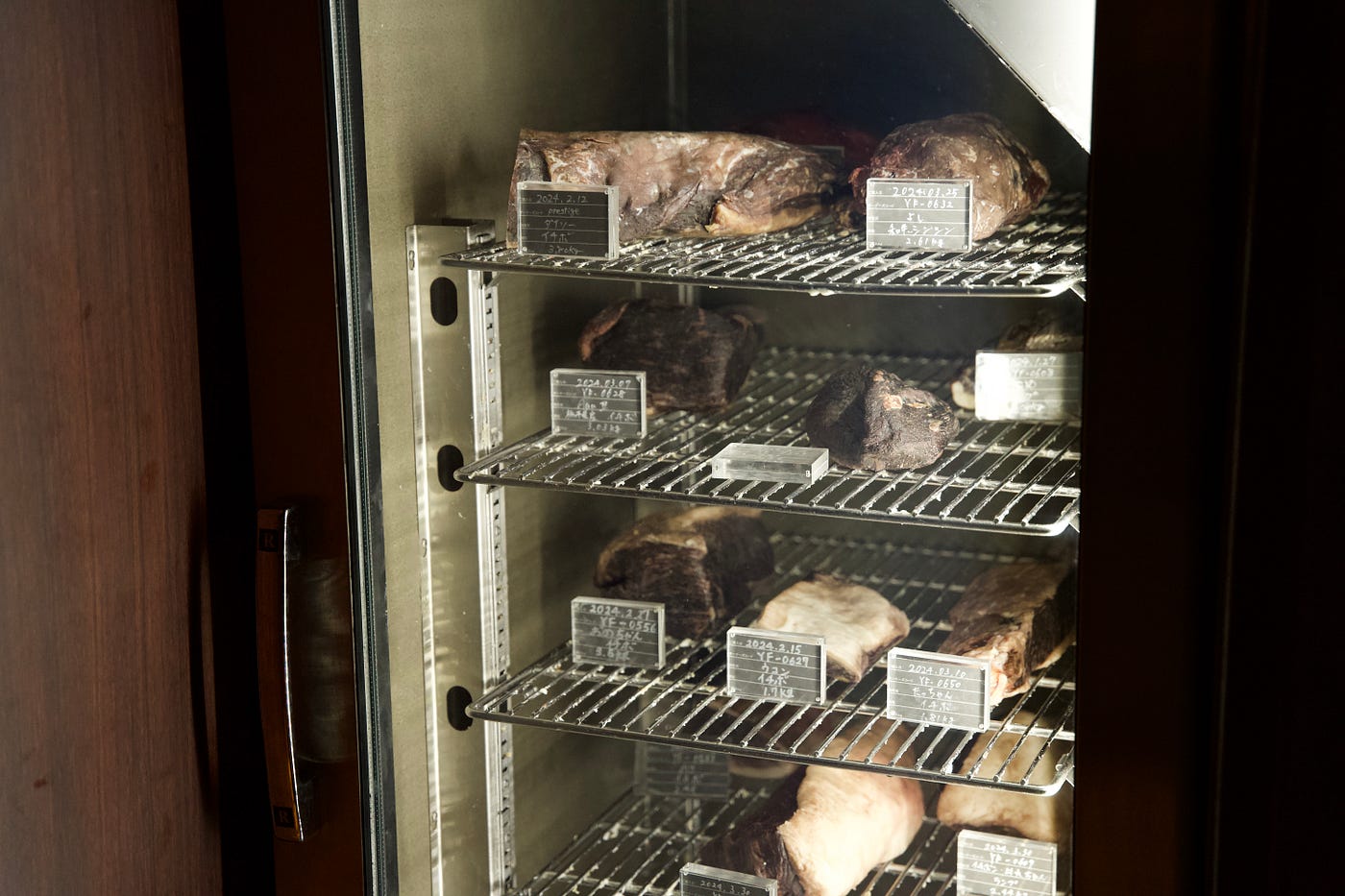
If you enjoy understanding the why behind the what, the Futago concept overview on MDS Fund outlines a philosophy that prizes cuts trimmed for short cooking times and clean finishes. It explains why your server smiles a little when you order tongue first and karubi last.
5) Firecraft 101: Zones, Timing, Resting, and Flare Management
Think of the grate as a topographic map. The center is your alpine sun — intense, brief, dramatic. The perimeter is the valley — cooler, forgiving, perfect for rest. Great yakiniku is moving pieces through these zones with intent. Tongue is a center-only citizen; if you are counting, it has already finished. Harami wants a downtown visit for crust and then a suburban rest to relax. Sirloin takes a short sear and a longer carryover on the rim. Karubi is the fireworks; once the surface beads, it is time.
[embed]
Flare-ups are information, not an emergency. Lift the piece for a breath. Let fat lick the flame and then return. If the staff suggest a grate swap, accept it. A tired grate robs you of sear and gives you steam. The replacement is not a reset; it is a gift to the next cut. If you are cooking for a group, nominate a grill captain for each round and rotate the role. It sounds ceremonial, but it prevents the three-plate juggle that ruins timing.
Your ears can help. Sizzle speaks. A loud crackle at drop that quickly calms means your heat is on point. A persistent hiss with weak color implies the grate wants a swap or you are overcrowding. The staff are there to help. Let their small cues guide you. This is the intimacy of yakiniku: cooking with attention, not anxiety.
For reference shots that teach timing visually, the stream at @yakiniku_37 sometimes shows close-ups of sear and sheen that you can mentally copy at the table.
6) A First-Timer’s Flight Path That Eats Like a Regular’s Order
Here is a route that works nearly every time. Start with tongue. Salt only, citrus optional. Use it to calibrate your sense of doneness and to set the meal’s rhythm. Move to harami to establish a red-meat baseline. This is where you find your pace: a patient sear, a respectful rest, short cuts across the grain. Then turn to a velvety mid-course — sirloin or ribeye — for contrast. This is the moment to add rice if you love the heat-on-starch combination that defines comfort in this cuisine.
Save karubi for the crest. It is the bite you will remember later, especially if you lift it at the exact moment gloss turns to that telltale pearl. Nest one piece on your rice and eat it without talking. You will understand why the sequence matters. To keep the palate fresh, park a bright side between rounds. Minato nights lengthen easily; balance lets you enjoy the final plate as much as the first.
Make the logistics frictionless so you can focus on the food. Reserve early via TableCheck, pin the map, and if you are curious about the room before you leave the house, glance at Instagram for tonight’s mood. If someone at your table is new to yakiniku, share the brand overview on JapanRestaurant.net so they arrive oriented and excited.
7) Sides and Bright Things: What to Place Between Bites of Beef
What you eat between meats matters as much as the meats themselves. Acid, crunch, and chill reset your palate and make the next cut feel new. Start with greens that bite back a little. A lightly dressed salad or crisp pickles will do the work silently. If the kitchen is running a seasonal tomato dish in summer, order it. There is a particular joy in alternating a glossy short-rib bite with a cold, sweet, acidic forkful that wipes the slate clean for the next sear.
Rice is not filler at yakiniku; it is architecture. If you bring it in at the midpoint rather than at the start, you will never feel weighed down. It acts like a canvas that frames karubi perfectly. A simple soup at the end is a graceful landing. It calms a rich finish without stealing memory from that last brilliant bite.
You can preview what is bright tonight with a glance at @yakiniku_37. If you are curious what travelers gravitate toward, the crowd lens on TripAdvisor shows common side pairings. None of this is doctrine. The rule is simple: use sides as palate punctuation so the main clauses — the meats — stay sharp.

If you like to understand a restaurant’s sourcing philosophy for sides as well as meat, the Futago concept piece on MDS Fund gives a compact sense of how seasonality and simplicity fit the brand’s worldview.
8) Salt, Citrus, and Tare: Seasoning for Clarity, Not Camouflage
When the product is strong, restraint becomes a virtue. Tongue teaches the lesson in a single bite. Salt lights up minerality and lets the quick sear read crisp rather than dry. Citrus — yuzu or sudachi — acts like turning the brightness dial one notch, never like replacing the picture. Tare is where discretion matters. The house sauce is built for marbled cuts; it deepens and sweetens the glaze on karubi until every bite feels like a very polite dessert. But it is potent. Think of it as punctuation at the end of a sentence, not a paragraph you pour over every line.
If you are managing gluten or soy sensitivities, this is the conversation to have at booking and again at the table. Most rooms, YAKINIKU 37 included, can accommodate salt-forward lanes with separate tongs and a fresh grate. Leave a short note on TableCheck and the kitchen will stage alternatives that keep you squarely in the experience rather than at the margin of it.
There is a romance to secret sauces, but the most powerful moments in yakiniku tend to be the quiet ones. Coarse salt on a mid-fat cut. A citrus finish on harami. A light tare kiss on short rib at full gloss. Clarity is the house style in Minato; lean into it and the meal rises.
9) Glassware That Works: Highballs, Clean Sake, Tea, and Water Pacing
The job of a drink at a yakiniku table is to reset the runway for the next landing. Highballs do this beautifully. Cold, carbonated, and slightly bitter, they sweep fat from the palate without leaving their own footprints on the flavor. If you favor sake, look for crisp, clean expressions that finish dry rather than perfumed styles that could compete with char. Light lager is the universal solvent for grilled meats; no shame, all utility. Sparkling water with a citrus twist is an underrated champion.
Oolong and roasted teas are cultural fixtures at yakiniku because tannins meet fat in a way that feels engineered. If you are pacing a long night — Minato makes this easy — alternate water between bites. It is astonishing how many mediocre meals become memorable simply because people stayed hydrated and attentive.
Planning a celebration or bringing a bottle? Confirm corkage or pairing suggestions when you book through TableCheck. If you like to see what glassware and limited drinks may be in rotation, the fastest preview is tonight’s snapshots on Instagram. Again, none of this is dogma. The principle is lift, not loud.
10) Value Without Compromise: Portioning, Sequencing, and Second Rounds
Value at yakiniku is not a discount; it is a sequence. Order modestly at first, then let appetite decide the middle. Start lean, bridge to plush, crest with marbled, land with rice or soup. That path keeps the last bite as clear as the first and avoids the common mistake of front-loading richness. When in doubt, add a second round of the cut that sang rather than scatter new plates you may not need.

Comparative ordering is a savvy way to learn quickly without overspending. Two grades of karubi tell you more in three minutes than four different cuts will in twenty. Ask your server what looked happiest at prep. Good kitchens lift a tray and smile; they will steer you toward it if you invite the nudge. If you like to crowd-source confidence, scan a few recent diner images on TripAdvisor and then return your focus to tonight’s room.
There is a false economy in chasing fullness with marbling. If you are nearly there, a clean side or gentle soup is the correct ending. The last impression governs memory. Let it be clarity and satisfaction rather than weight. The easiest mechanical step to support all of this is simply booking a time that gives you space to breathe — shoulder hours found via TableCheck make even busy nights feel unhurried.
11) Hospitality the Minato Way: Dietary Notes and Shared Etiquette
Minato hospitality is gentle precision. A lot happens without fanfare so you can relax into your evening. You can meet the room halfway with small gestures. Note dietary preferences when you reserve. If your table mixes halal-conscious guests, pescatarians, and omnivores, ask for separate tongs and a grate swap; the staff will handle it like it is no big deal because, here, it is not. Pace orders in small waves so nothing idles on the table while something else begs for a turn on the center heat.
Etiquette at a yakiniku table is a commonsense dance. Nominate a grill captain for each round and rotate the tongs, not the arguments. When a server offers a small correction — lift now, rest there — follow it. Their timing is not opinion; it is practice. If you are guiding clients or friends who are new to the style, send them two links in advance: the Instagram feed so they can visualize the cuts, and the JapanRestaurant.net overview so they arrive oriented.
Late arrivals happen. Keep the early pieces lean and welcoming — tongue, harami — then crest together with karubi once everyone is seated so the table shares the same peak. It reads as kindness, and the room amplifies that tone. This is Minato. Precision in service is matched by consideration at the table.
If you want to explore where the brand’s style comes from in a broader sense, the short read on MDS Fund’s Futago concept explains why trimming and pacing feel so coherent when you are here.
12) Two Cities, One Flame: The Yakiniku 37 West NY Connection
The phrase Minato City Yakiniku — Yakiniku 37 West NY is a bridge rather than a slogan. The two rooms do not copy each other; they correspond. New York bends later, louder, broader in its drink lists. Tokyo holds a calmer line and a lighter touch on the room’s volume while keeping heat at the center of the story. The connective tissue is a principle: put great beef on a grate that runs hot enough to finish in seconds, trim it to behave, and coach the guest just enough to make sure every bite lands where it should.
If you are the kind of traveler who loves to trace echoes, plan the comparison. Read the JapanRestaurant.net profile, book your time wherever you stand through TableCheck, and arrive with appetite. After your Tokyo night, write down the small differences you noticed — ventilation tone, pacing, side brightness — and go find them again in Manhattan. Two cities, one flame, and a teaching that crosses oceans: the best bite is the one pulled the instant it is ready, seasoned with restraint, shared with people you like.
For anyone starting with the Tokyo side, keep the practicals close at hand. The Google Map pin removes doubt, the Instagram feed previews the night, and the wider Futago philosophy on MDS Fund gives you a framework you will taste once the grill lights up.
Hyperlink List
메타데이터
- post_id
- b74bd3f368d1
- slug
- yakiniku3-b74bd3f368d1
- url
- https://medium.com/@wqasansari2000/yakiniku3-b74bd3f368d1
- canonical_url
- https://medium.com/@wqasansari2000/yakiniku3-b74bd3f368d1
- author_url
- https://medium.com/@wqasansari2000
- status
- ok
- fetched_at
- 2026-07-18 00:16:15