The Fujifilm X20 — Little Brother to the X100V
Shared DNA for a fraction of the price.
The Fujifilm X20 — Little Brother to the X100V
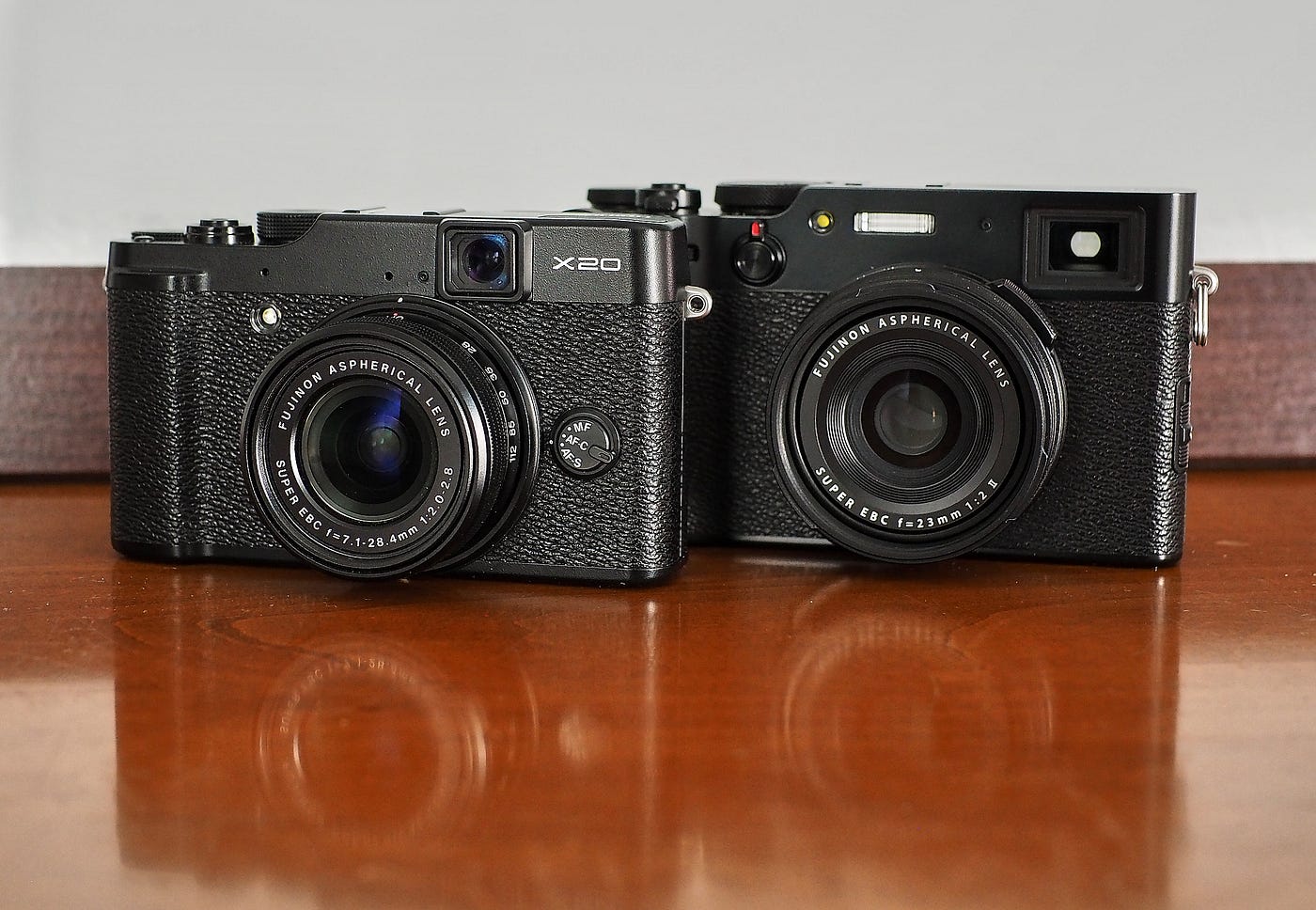
Fujifilm X20 next to the X100V.
In 2013, Fujifilm released the FinePix X20 digital camera for $599. A decade later, a mint version of this cult-favorite still costs $400 or more. How can that be for a 12-megapixel compact from days gone by?
In my view there are two reasons. First, notice the family resemblance between the X20 and the wildly popular X100V. The X20 is definitely the little brother, for less than a third of the price. Plus, the X20 has that wonderful nostalgia that many of today’s photographers find so appealing.
Let’s step back to 2013 when popular compacts such as the Canon PowerShot G15, Sony Cyber-shot RX100, and the X20 were turning our heads. All of these devices are amazing photographic tools. By comparison, the iPhone 5, which was the hot smartphone at the time, featured an 8-megapixel sensor that was fine, but not in the same class as any of these cameras.
Of the trio, the Fujifilm X20 is my favorite. I still shoot with it today. Here’s why.
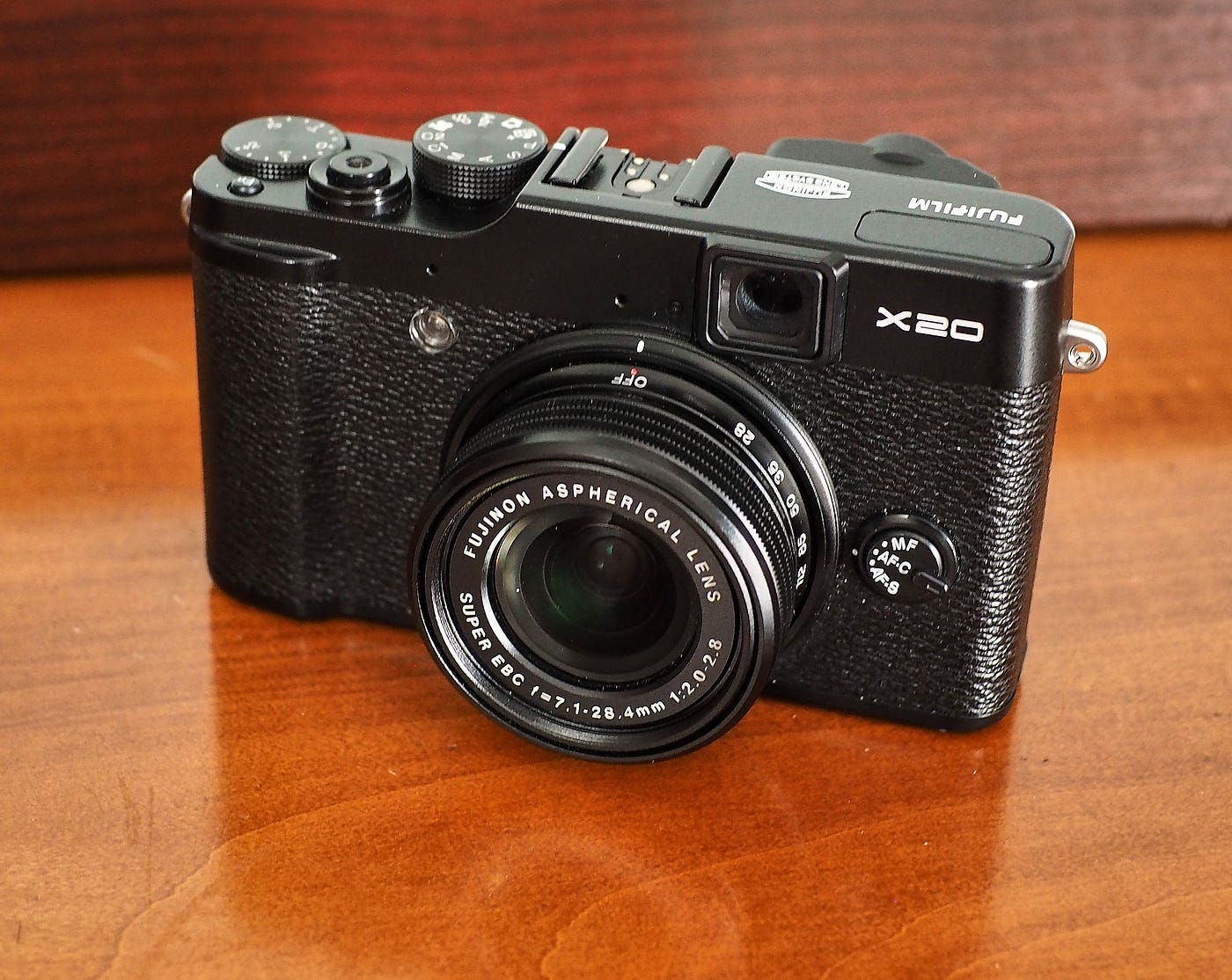
It starts with the 2/3"-type X-Trans CMOS II sensor. When I open a RAW file from the X20 in Capture One Pro, it’s beautifully toned and elegantly editable. Highlight and shadow recovery are smooth and gradual, the colors are rich, and the sharpness is wonderful. The pictures look like photographs, not digital images.
As lovely as the output is, the process of taking pictures is just as pleasing. It starts with the advanced optical viewfinder that adjusts the field of view as you zoom from 28mm wide to 112mm telephoto. When you press halfway on the shutter button, a digital overlay appears with exposure settings and focus confirmation. And of course you can still compose using the 3", 460k dot LCD.
Fujifilm includes 10 of its film simulation modes, including four monochromes. I use Astia Soft for my color work, and Monochrome+Yellow for black and white. Owners of the X100 series of cameras will understand just how important these are. And it’s this shared DNA that adds to the X20’s allure.
The Advanced modes provide panorama, a variety of filters, multiple exposure, and my favorite, Pro Focus that’s a forerunner to Portrait mode on our iPhones — sharp subject with soft background.
And finally, the Fujinon Super EBC 28mm-112mm f/2.0 to f/2.8 zoom lens is the crown jewel. It’s fast, colorful, sharp, and covers a field of view that allows you to artistically compose in just about any situation. Plus, it’s stabilized. That’s something the X100V still doesn’t have.
In addition to an extra battery, I carry a couple of accessories in my pocket. I have a mechanical cable release that screws into the threads in the shutter button (just like the X100), and a metal Fuji lens hood that accommodates 49mm filters.
In 2015, Fujifilm released the X30, but that was the last generation for this line of enthusiast compacts. Smartphones had begun to capture the snap shooter market, and Fuji was putting more energy into the X100 series for serious photographers.
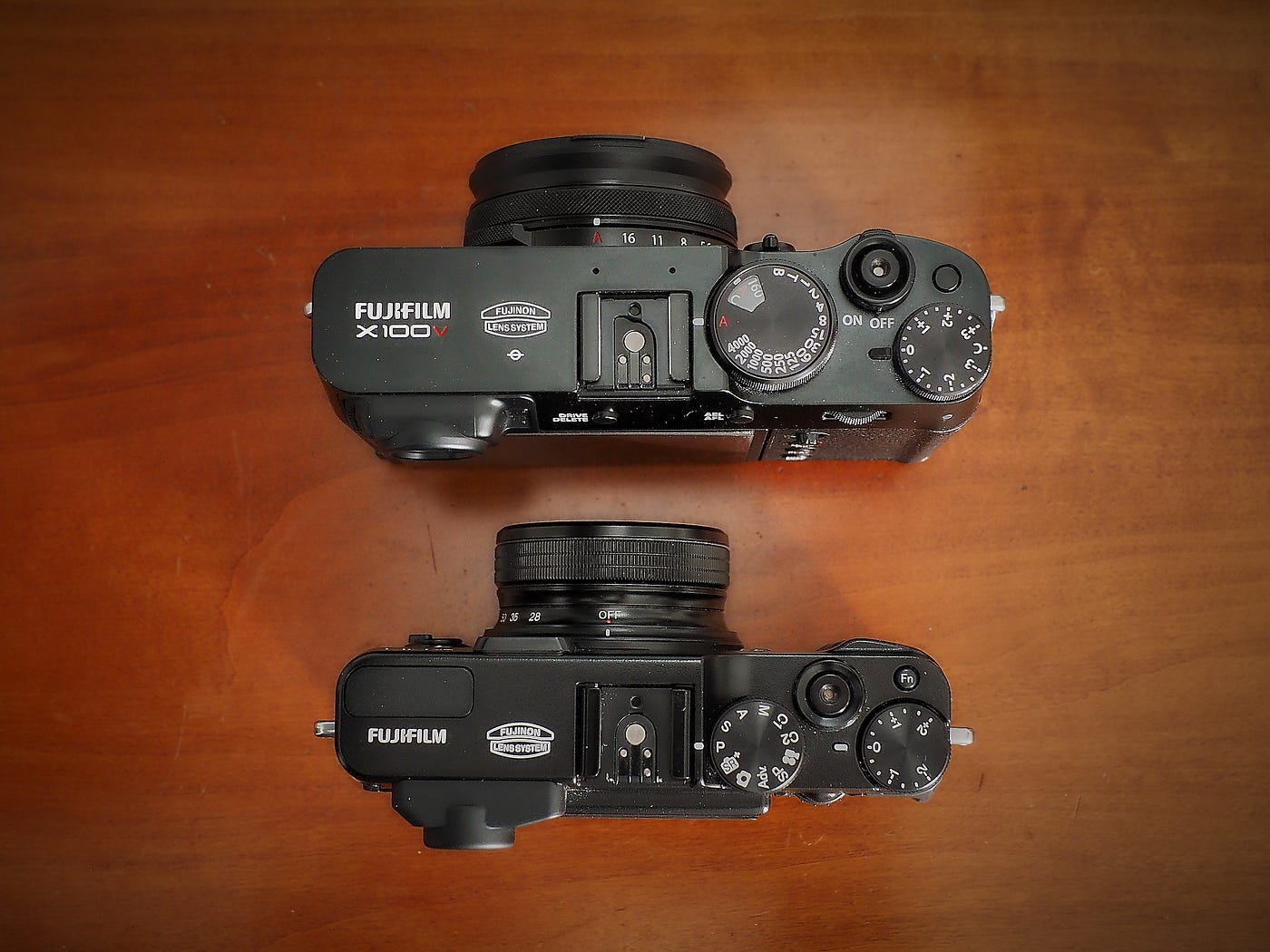
The X20 doesn’t have many of the X100V’s bells and whistles, such as Bluetooth, WiFi, tilting LCD, and a 24-megapixel sensor. But it does have what we love about Fujifilm cameras: beautiful design, click-stop dials, Fujinon aspherical lens, X-Trans sensor, Fuji color science, gorgeous optical viewfinder, built-in flash, Q menu, and images that have a certain magic to them.
If you own one of these gems, and haven’t fired it up for a while, I highly recommend getting reacquainted. Maybe you won’t need that X100V after all.
Photos by Derrick Story.
메타데이터
- post_id
- b769100d7f91
- slug
- the-fujifilm-x20-little-brother-to-the-x100v-b769100d7f91
- url
- https://medium.com/@derrickstory/the-fujifilm-x20-little-brother-to-the-x100v-b769100d7f91
- canonical_url
- https://medium.com/@derrickstory/the-fujifilm-x20-little-brother-to-the-x100v-b769100d7f91
- author_url
- https://medium.com/@derrickstory
- status
- ok
- fetched_at
- 2026-07-26 02:09:13





