What Makes Duracell Alkaline AAA Battery a Smart Choice?
Introduction
What Makes Duracell Alkaline AAA Battery a Smart Choice?

Introduction
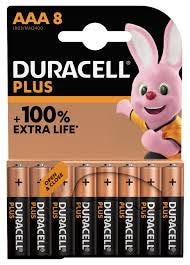
Choosing the right AAA power source matters because small devices depend on steady voltage to work properly. A **Duracell Alkaline AAA Battery** is built for reliable everyday performance in household electronics, work tools, and portable devices that you use often.
Why AAA alkaline power matters for daily electronics
AAA batteries are widely used because they fit compact designs while still delivering practical runtime. However, not all batteries behave the same under real use. Alkaline chemistry is a popular option for low to moderate drain devices because it supports consistent operation for common tasks.
Also, many modern electronics draw power in short bursts, especially when LEDs flash, sensors trigger, or controllers wake up from sleep. Therefore, selecting a dependable AAA battery helps reduce interruptions and supports smoother device performance.
Where a Duracell Alkaline AAA Battery is commonly used
AAA batteries appear in more places than most people notice. Although each device is different, these are common examples where AAA alkaline power is frequently used:
- TV remotes, media remotes, and streaming remotes
- Wireless mice, keyboards, and presentation clickers
- Door locks, small safety devices, and basic home alarms
- Thermometers and small meters used in safety checks
- Toys and handheld electronics with intermittent use
- Flashlights with LEDs and compact work lights
- Wireless **sensors** and compact controllers for home setups
Because usage patterns vary, it helps to match your battery choice to how the device drains power.
Key performance factors to look for
Steady output for consistent operation
Many devices fail early not because the battery is empty, but because voltage drops below what the device requires. A quality alkaline AAA option helps maintain usable performance, so devices stay responsive and stable.
This is especially helpful for electronics that depend on accurate timing, such as microcontrollers, controllers, and small systems that manage signals for switches or sensors.
Shelf readiness and practical storage
AAA batteries are often stored for later use, so shelf readiness is important. To get better results:
- Store in a cool, dry place away from direct heat
- Keep **batteries** in original packaging until needed
- Avoid mixing loose batteries with metal tools or connectors
- Rotate stock so older packs are used first
Heat exposure can reduce available capacity over time, so storage conditions matter in warm environments.
Leak risk reduction through good habits
Any battery can leak if misused or left in a device for too long after it is depleted. However, simple habits lower the risk:
- Remove batteries from devices stored long term
- Replace the full set at the same time
- Do not combine new and old batteries
- Do not mix different brands or chemistries
This approach is useful for devices connected to cables, contactors, or other electronics where a leak could cause costly damage.
Matching AAA batteries to your device type
Best fit for low to moderate drain devices
Alkaline AAA batteries tend to perform well in devices that draw power gradually or intermittently, such as remotes, basic sensors, and small safety devices. In these use cases, alkaline power can be a practical, cost effective choice.
When to consider other options
Some devices pull high current continuously, such as certain cameras, high power LED torches, or gaming **controllers** used heavily. In those cases, performance expectations may differ. Still, for everyday household electronics, alkaline remains a common and effective option.
Real world applications in tech and electrical environments
AAA batteries are not just for home use. They also support practical workflows in light technical settings. For example, handheld testers, compact tools, and portable indicators often rely on AAA power.
In some environments, technicians work around electronics that include connectors, switches, fuses, capacitor circuits, and signal cables. Although AAA batteries are not used to power large systems, they often power the small supporting devices that help test, measure, or control those systems.
You may also see AAA powered accessories used near laptops or compact microprocessors in portable diagnostic kits. Therefore, having dependable batteries available reduces downtime and keeps tasks moving.
Safety tips for handling and use
Battery safety is straightforward, but it matters. Follow these guidelines to support safe operation and protect devices:
- Keep batteries away from children and pets
- Do not recharge non rechargeable alkaline batteries
- Do not expose batteries to flame or extreme **thermal** conditions
- Do not crush, puncture, or short the terminals
- Dispose of used batteries according to local safety guidance
Also, if a device becomes unusually warm or stops working, remove the batteries and inspect the compartment. Heat and corrosion can affect contact quality, especially in devices with small grips and tight battery springs.

How to replace AAA batteries the right way
When replacing batteries, it helps to avoid common errors that reduce runtime or cause device issues:
- Turn the device off first, if possible
- Clean the compartment gently if you see residue
- Insert batteries following the polarity marks
- Replace the whole set together
- Test the device and confirm stable operation
If corrosion is present, clean carefully and allow the area to dry before inserting new batteries. This is especially important in devices with sensitive electronics.
Storage, transport, and organisation for busy users
If you manage multiple devices, better organisation saves time. Consider these practical habits:
- Keep spare packs in a labelled drawer or case
- Separate new batteries from used ones
- Avoid storing batteries next to **oils**, liquids, or damp materials
- Do not store loose batteries with metal tools
In work settings, batteries may travel alongside tools, connectors, and other metal items. Using a small battery case helps prevent accidental shorting.
Environmental and disposal considerations
Used batteries should be disposed of responsibly. Many areas offer battery collection points, and some workplaces use collection bins. Proper disposal reduces environmental impact and supports safer handling of leftover materials.
If you handle large quantities, store used batteries in a non conductive container, and keep them away from heat sources until disposal.
Summary: making the product choice relevant to your needs
A Duracell Alkaline AAA Battery is a practical choice for powering common electronics reliably, especially when devices require steady performance and simple replacement. Because AAA batteries support everything from home remotes to sensors, **LEDs**, and portable controllers, choosing a dependable option helps reduce interruptions, protect devices, and maintain day to day convenience.
메타데이터
- post_id
- b790d2ff4d3d
- slug
- what-makes-duracell-alkaline-aaa-battery-a-smart-choice-b790d2ff4d3d
- url
- https://medium.com/@jackzkr317/what-makes-duracell-alkaline-aaa-battery-a-smart-choice-b790d2ff4d3d
- canonical_url
- https://medium.com/@jackzkr317/what-makes-duracell-alkaline-aaa-battery-a-smart-choice-b790d2ff4d3d
- author_url
- https://medium.com/@jackzkr317
- status
- ok
- fetched_at
- 2026-07-07 09:11:54