Chef Nikki Zheng Of Sushi Akira On Omakase, Discipline, And Why Leadership Is Built One Decision At…
Savio P. Clemente
Chef Nikki Zheng Of Sushi Akira On Omakase, Discipline, And Why Leadership Is Built One Decision At A Time
Savio P. Clemente
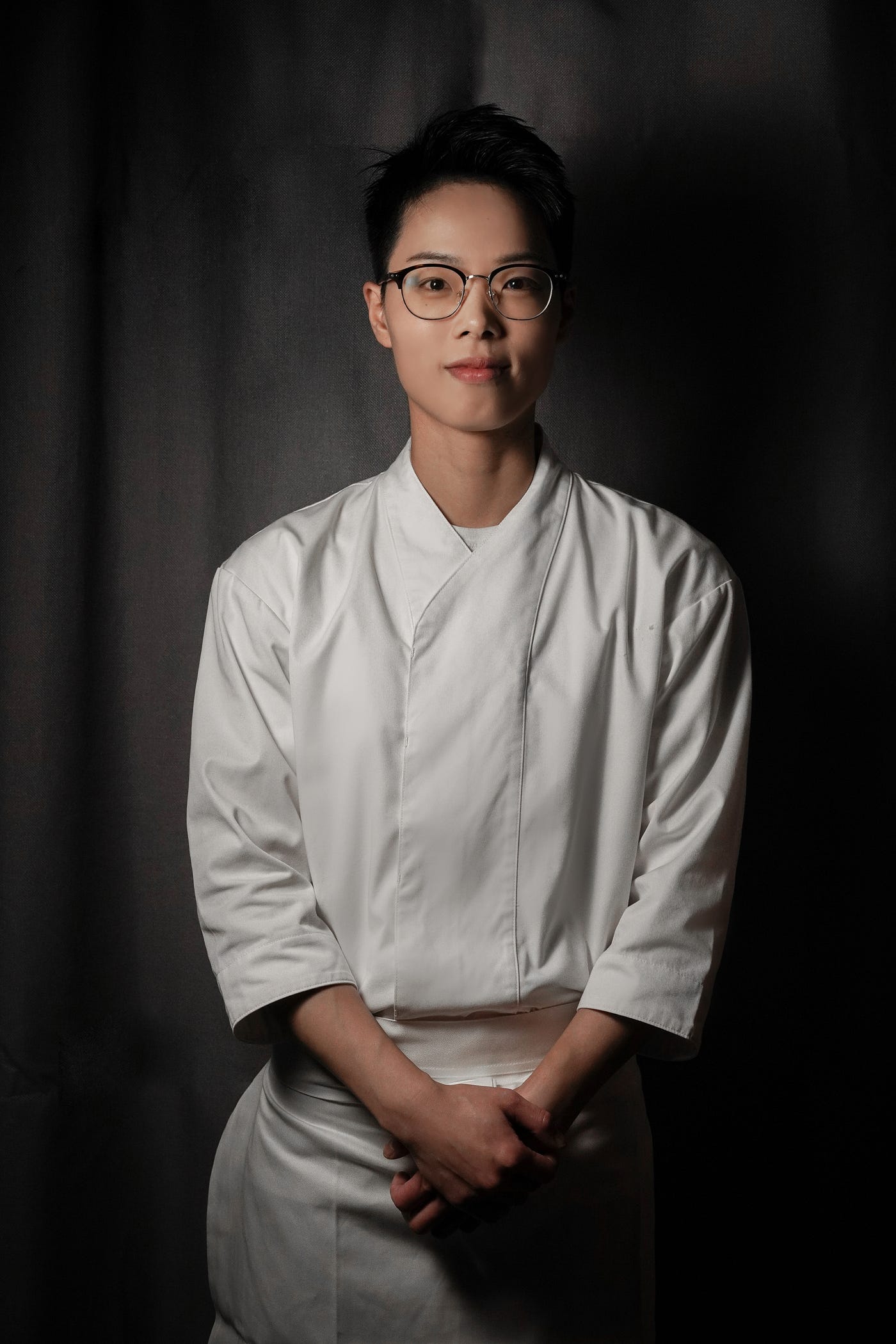
That experience taught me that authority isn’t given; it’s built, step by step.
I had the pleasure of interviewing Chef Nikki Zheng, omakase chef and owner of Sushi Akira in New York City. Our conversation moved beyond food into something deeper: precision, artistry, and service, and what it means to lead in an environment where there is no margin for error.
Chef Nikki honed her craft at some of New York City’s most revered sushi destinations, including Masa, Sushi Nakazawa, and Sushi of Gari. Her journey began humbly. As a part-time dishwasher in Tokyo’s Michelin-starred French restaurant, Quintessence Tokyo, Chef Nikki grew curious and passionate for culinary. Her time there showed her that food could bring constant joy, and change perceptions when treated with the right technique and attitude. She soon gave up the major she was pursuing in Tokyo and moved to New York City to further explore her gastronomy talents. Despite the challenges of being one of the few female sushi chefs in the industry, Chef Nikki’s meticulous technique, exceptional palate, and dedication to her guests transcended gender and culture barriers. She earned her reputation from both peers and patrons.
Thank you so much for doing this with us, Chef Nikki! Our readers would love to know what inspired you to pursue omakase and open Sushi Akira, particularly in a space historically dominated by men?
I was drawn to omakase because it feels like the most honest way to show your work as a chef. There’s no menu, no distance between you and the guest — just trust, timing, and precision. I really connected with the simplicity, dedication, and Zen of this work.
Entering a field that’s mostly men didn’t stop me. It actually made my goal more clear. I wanted to build something based on discipline and respect for tradition, and at the same time, expanding the idea of who belongs behind the counter. Opening Sushi Akira was my way of letting my work speak for itself and challenge the idea that women can not be good sushi chefs and slowly change people’s expectations.

Can you share a moment early in your career where you faced doubt, and how you turned that into an opportunity to prove yourself?
In the beginning, the doubt wasn’t always direct — it showed up in small ways. I was questioned more, or sometimes overlooked. I remember standing behind the counter as a sous chef, while guests directed their attention to my male colleague, assuming he was in charge.
I didn’t try to correct them with words. I focused on my work, improving my technique and speed, and paying attention to every detail. Over time, people started to notice. Not because I asked them to, but because the work made it clear. That experience taught me that authority isn’t given; it’s built, step by step.
What routines, practices, or mindset strategies do you rely on to maintain focus, precision, and consistency in such a high-stakes, high-pressure craft? What was the lesson or take away you took out of that story?
For me, it’s about repetition, perseverance, and staying steady. Before service, I take a little time to reset and ground myself — sometimes just walking and clearing my mind. During service, I focus on one piece at a time. Thinking too far ahead creates pressure; staying present creates precision.
Outside of the kitchen, I value simplicity: rest, routine, and protecting my energy. Consistency is not just built during service; it’s sustained by how you live outside of it.

In your experience, how do you balance honoring traditional sushi techniques while also innovating and creating new seasonal courses?
Tradition is a foundation, not a limitation. My training instilled in me a deep respect for classical techniques, and I believe innovation only has meaning when it is grounded in that understanding.
Seasonality guides my creativity. Instead of forcing new ideas, I respond to ingredients at their peak and think about how to express them in a way that feels natural. Some of our courses remain traditional, while others are more innovative. The goal is not contrast, but harmony, so that every dish, whether classic or modern, feels like part of the same story.

As a female leader in this field, how do you foster confidence for your team or for other aspiring chefs who look to you for inspiration?
I lead through treating people with respect and setting the standards. By holding myself to a high standard and respecting everyone regardless of their identity, I cultivate safety, confidence, and growth.
I also think representation and visibility matters. For younger chefs, especially women, it helps to see someone who has gone through a similar path. I try to be honest about the challenges, but also show that there is space for them. Confidence grows when people can actually see that belonging is possible.
Beyond the food itself, what kind of emotional or sensory experience do you hope your guests will take with them after sitting at your counter? I want guests to feel a sense of calm, trust, and connection. Omakase is not just about taste, it’s about rhythm, pacing, and attention to detail. When done well, it allows people to slow down and become fully present. More than being impressed, I hope they feel cared for — that every detail, from the temperature of the rice to the sequence of courses, is designed with intention. It’s a quiet, immersive experience that stays with you beyond the meal.

What life lessons has sushi-making taught you about patience, focus, and presence that might resonate with a larger audience beyond the culinary world? What impact do you think this will have?
Sushi has taught me that mastery cannot be rushed. There is no shortcut, only repetition, discipline, and time. Progress often feels invisible in the moment, but it accumulates quietly.
It has also taught me the value of presence. Whether you’re shaping rice or making a decision in life, being fully engaged in that moment changes the outcome. Small details matter, and how you approach them reflects your mindset. In that sense, sushi is not just a craft, it’s a way of thinking.

You are a person of enormous influence. What changes do you hope to see for women in fine dining over the next five years?
I hope to see more women not only entering the field, but also staying, leading, and shaping its future. True progress is not just about representation at the surface level, it’s about creating environments where respect, opportunity, and growth are consistent.
As more women stand behind the counter and take on leadership roles, the perception of what is “normal” will shift. Eventually, the goal is simple: that gender is no longer part of the conversation, and that chefs are recognized solely for their craft, their discipline, and their vision.

That’s great. How can our readers continue to follow your work and learn more about Sushi Akira?
They can visit sushiakiranyc.com and also follow us @sushiakiranyc on social media.
Thank you for these fantastic insights, Chef Nikki. We greatly appreciate it.
My experience at the 12-seat omakase at Sushi Akira stayed with me for reasons beyond the 19 scrumptious tastings. What stood out was the presence of Chef Nikki Zheng and Chef Jeff Lam. They weren’t just introducing each course. They were shaping the room. There was a calm, a rhythm, and a sense of joy that carried through the entire experience. Every transition felt intentional. In those moments, it made me think about leadership. Many organizations expect consistent performance, but without the discipline of presence that makes it possible. What I saw at the counter is rarely observed in leadership teams. When clarity isn’t maintained in real time, decisions slow, communication softens, and small gaps begin to compound.
About the Interviewer: Savio P. Clemente is a journalist, keynote speaker, and the creator of Adaptive Resilience Leadership, a framework for healthcare leadership teams navigating what he calls the Post-Crisis Leadership Gap. This is the period after disruption, when the crisis has passed but decision quality and alignment begin to quietly degrade, leading to delays, misalignment, and decision drift. Through his work, interviewing more than 2,000 senior leaders and executives, Savio has identified a consistent pattern: performance doesn’t fail first, clarity does. He works with leaders operating in high pressure environments, helping them sharpen judgment and lead with precision. A two-time cancer survivor and board-certified health and wellness coach (NBC-HWC, ACC), Savio rebuilt after a life-saving stem cell transplant, an experience that shaped his work on recovery, perspective, and high-stakes situations. 🔗 saviopclemente.com ↗
메타데이터
- post_id
- b7ccb2b40f88
- slug
- chef-nikki-zheng-of-sushi-akira-on-omakase-discipline-and-why-leadership-is-built-one-decision-at-b7ccb2b40f88
- url
- https://medium.com/authority-magazine/chef-nikki-zheng-of-sushi-akira-on-omakase-discipline-and-why-leadership-is-built-one-decision-at-b7ccb2b40f88
- canonical_url
- https://medium.com/authority-magazine/chef-nikki-zheng-of-sushi-akira-on-omakase-discipline-and-why-leadership-is-built-one-decision-at-b7ccb2b40f88
- author_url
- https://medium.com/@saviopclemente
- status
- ok
- fetched_at
- 2026-06-23 17:05:31