The Gut Health Trend, What Clinical Nutrition and DieteticsActually Teaches
Scroll through Instagram or YouTube Shorts this month and you’ll see it everywhere. Fiber powders. “Gut reset” drinks. Influencers filming…
The Gut Health Trend, What Clinical Nutrition and DieteticsActually Teaches
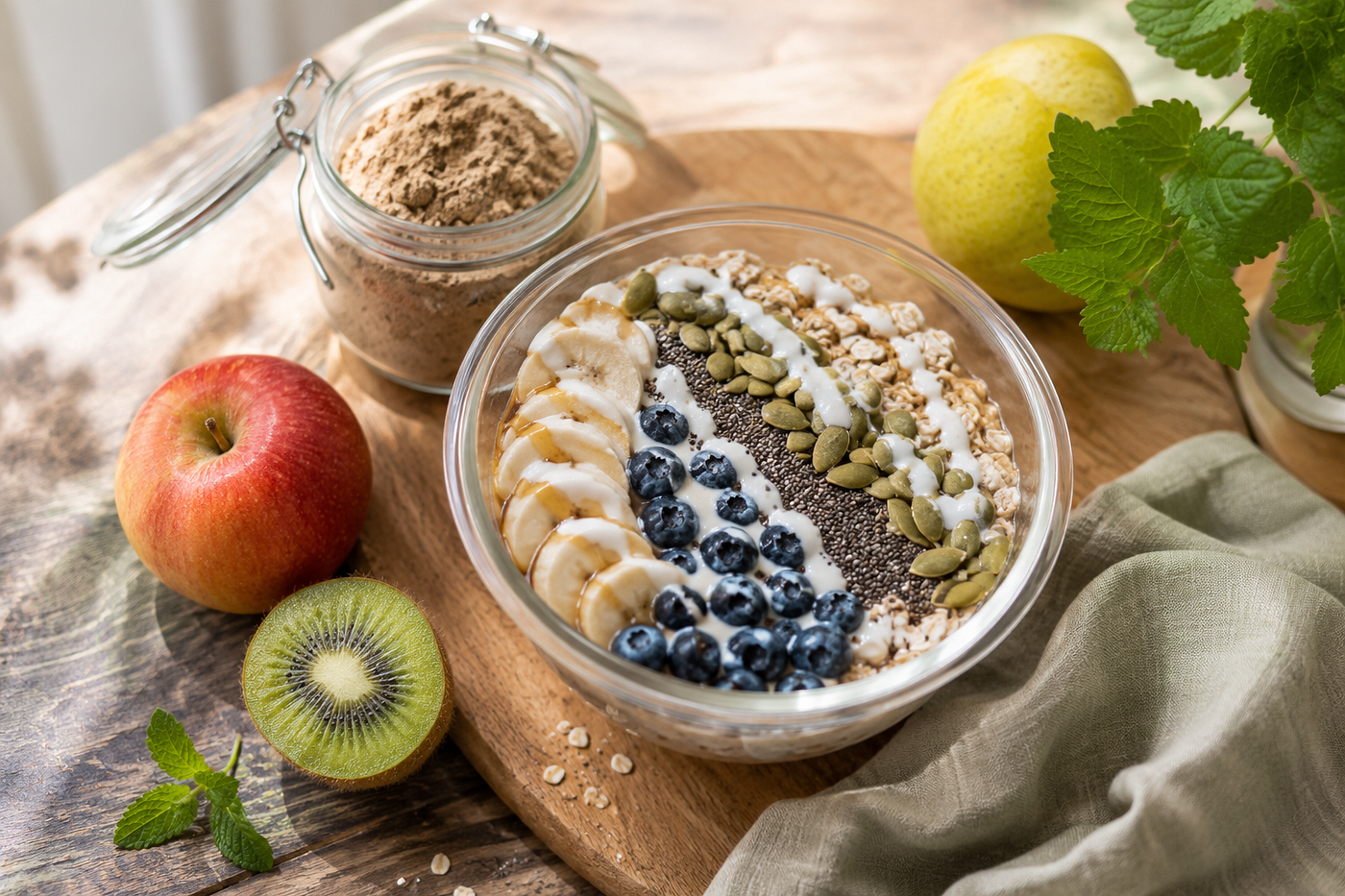
Scroll through Instagram or YouTube Shorts this month and you’ll see it everywhere. Fiber powders. “Gut reset” drinks. Influencers filming their breakfast bowls and calling it a cure for bloating, brain fog, even bad skin. The gut health trend has become one of the biggest wellness conversations of 2026, and honestly, some of it holds up. But a lot of it doesn’t.
So what’s real, and what’s just good lighting and a catchy caption?
Why Gut Health Suddenly Became a Big Deal
There’s actual science behind why this trend took off. Fiber intake genuinely affects digestion, blood sugar, and even mood, since a large part of our gut is lined with bacteria that influence more than just what happens in the bathroom. Researchers have connected gut bacteria to immunity and mental wellbeing, which is part of why the topic feels bigger than “just eat more vegetables.”
The problem is scale. Social media took a real, useful idea (fiber matters) and turned it into a race, something people now call fibermaxxing, where more is treated as automatically better.
Where the Trend Gets It Wrong
A few things nutrition professionals keep pointing out:
- More fiber isn’t always better. Too much, too quickly, can cause bloating and discomfort, the opposite of what people are chasing.
- Gut health supplements aren’t regulated the way medicines are. A trending powder isn’t the same as a tested treatment.
- Everybody’s gut is different. What works for a creator with 2 million followers may do nothing for you, or upset your stomach entirely.
- Fixing “gut health” isn’t one habit. It’s sleep, stress, hydration, and food, not a single smoothie.
This is exactly the gap between wellness content and actual dietetics as a science. One is designed to go viral. The other is designed to work for an individual person, based on their body, their history, and their actual needs.
What Is Clinical Nutrition and Dietetics, Actually?
This is where the term “clinical nutrition and dietetics” comes in, and it’s worth explaining properly since most people only encounter it as a course name, not a field.
Clinical nutrition and dietetics is the science of understanding how nutrients interact with the human body, and how that understanding changes when someone is dealing with a specific health condition, whether that’s diabetes, a digestive disorder, or recovery after surgery. It’s not the same as general “nutrition advice.” It involves biochemistry, human physiology, and pharmacology, alongside hands-on clinical training, usually including a hospital internship where students work directly with patients under supervision.
Professionals trained in this field don’t just recommend foods. They assess a person’s full medical history, run through lab reports, understand drug-nutrient interactions, and design intervention plans that a general wellness creator simply isn’t equipped to make. That’s the difference between someone who read about gut health and someone who studied it as a clinical subject for years.
What This Trend Reveals About Nutrition As A Field
If anything, the gut health trend shows why trained professionals in this space matter more than ever. Understanding the human gut properly involves biochemistry, physiology, and clinical training, not just knowing which foods are trending. It’s a subject that mixes hard science with something more personal: helping someone make sense of confusing, often contradictory health information.
This is also where academic programmes step in. Departments dedicated to clinical nutrition and dietetics train future professionals to look past trends and evaluate what’s actually happening at a biological level, something no fifteen second video can replace. A dietitian, unlike an influencer, is trained to look at a person’s full health picture before making a recommendation.
The Bigger Takeaway
The gut health trend isn’t wrong to exist. Fiber, fermented foods, and digestion genuinely deserve attention. But the difference between a passing trend and lasting health advice usually comes down to who’s giving it, and what they actually studied to be able to give it.
If you’re someone who finds this subject genuinely interesting (not just the trend version, but the real science behind it) it might be worth learning more about how institutions are teaching this field. St. Teresa’s College offers structured programmes in this space for students curious about turning that interest into something real. Admissions for the year are currently open.
메타데이터
- post_id
- b7f1627d792b
- slug
- the-gut-health-trend-what-clinical-nutrition-and-dieteticsactually-teaches-b7f1627d792b
- url
- https://medium.com/@shabanadot6/the-gut-health-trend-what-clinical-nutrition-and-dieteticsactually-teaches-b7f1627d792b
- canonical_url
- https://medium.com/@shabanadot6/the-gut-health-trend-what-clinical-nutrition-and-dieteticsactually-teaches-b7f1627d792b
- author_url
- https://medium.com/@shabanadot6
- status
- ok
- fetched_at
- 2026-08-19 02:12:55