Meet Google Mangle: A Smarter Programming Language for Databases, Dependencies, and Data Chaos
Discover Google Mangle: a declarative, Datalog-inspired language that could change how developers build and query databases.
Meet Google Mangle: A Smarter Programming Language for Databases, Dependencies, and Data Chaos
Discover Google Mangle: a declarative, Datalog-inspired language that could change how developers build and query databases.
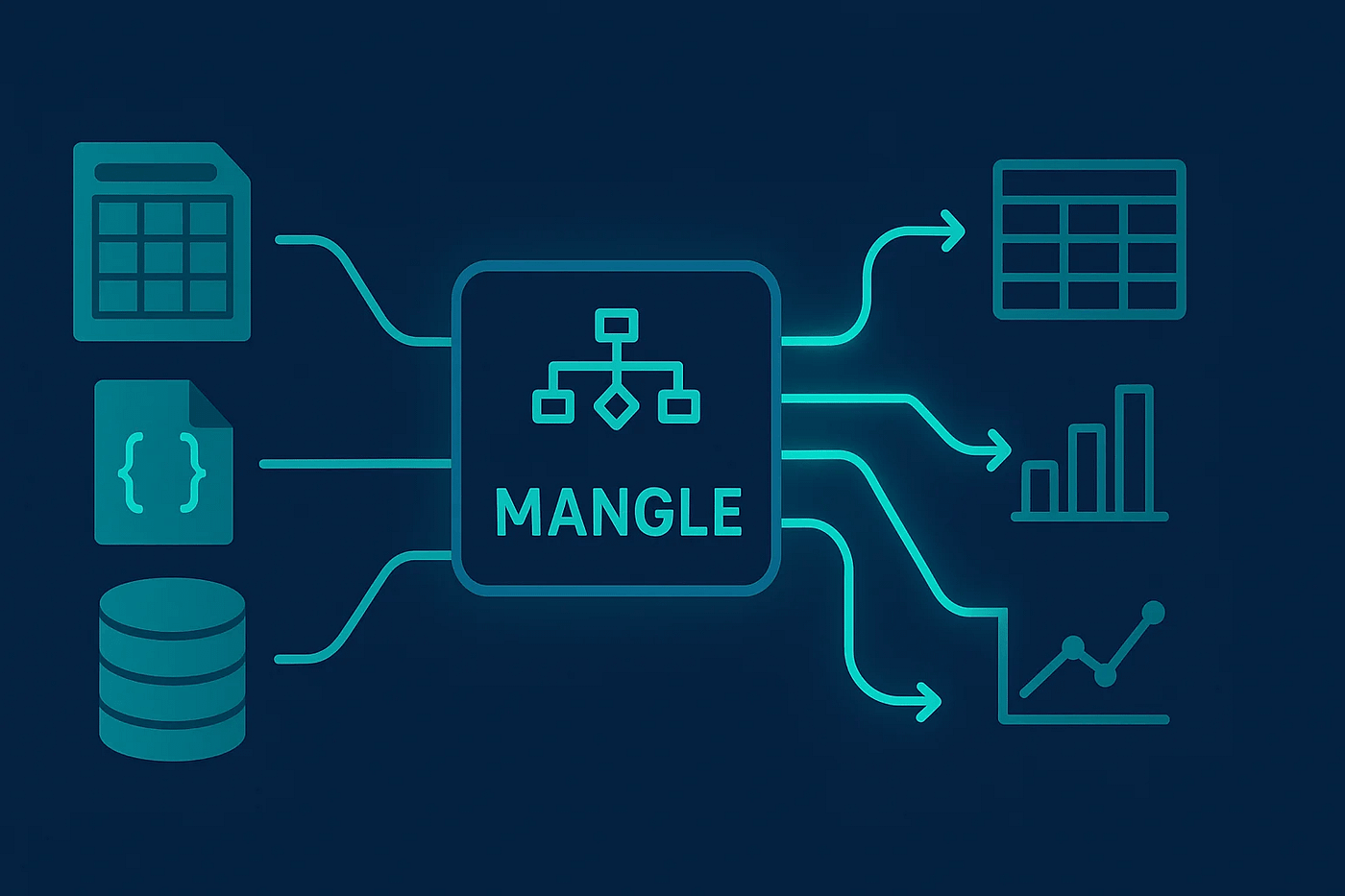
Google unveiled Mangle, a new open-source language. It is designed for deductive database programming. Mangle extends Datalog with practical features. It helps manage fragmented data across systems. Developers can embed it into existing tools.
What Is Mangle?
Mangle is an open-source deductive database programming language, built as a Go library. It extends the logic language Datalog — with real-world developer-focused features that make querying fractured data sources easier and more structured.
Key Features That Stand Out
- Recursive Rules: Dive deep into relationships think dependency trees without jumping through hoops.
- Unified Data Access: Whether it’s files, APIs, databases, or logs, Mangle treats all of it as one logical data pool.
- Aggregations & Function Calls: Do more than just query sum, count, call custom code right in your rules.
- Optional Type Checking: Enforce type consistency when you want it — relax it when you don’t.
Real-World Power Moves
- Security & Vulnerability Detection Identify vulnerable projects by tracing dependency graphs and package versions all via Mangle rules.
- Software Dependency Analysis Map SBOM data, enforce version policies, or query impacted components when dependencies change.
- Knowledge Graphs & Ontology Represent domain models, reason over relationships, and discover hidden connections.
- Unified Queries Across Chaos No more stitching together data manually. Mangle makes multi-source logic simpler and cleaner.
Why Mangle Is a Game-Changer

- Go-native & Embeddable: Integrate powerful logic directly into your tools or services no heavyweight systems needed.
- Declarative & Reusable: Named rules let you define logic modules — emotionless SQL sprawl not required.
- Developer-First Mindset: Designed for mental clarity. One dev said switching from SQL reduced “mental overload.”
- Open Source Momentum: It’s already seeing active contributions, issue traffic, and community interest. While not official Google product, it’s experimental and developer-driven.
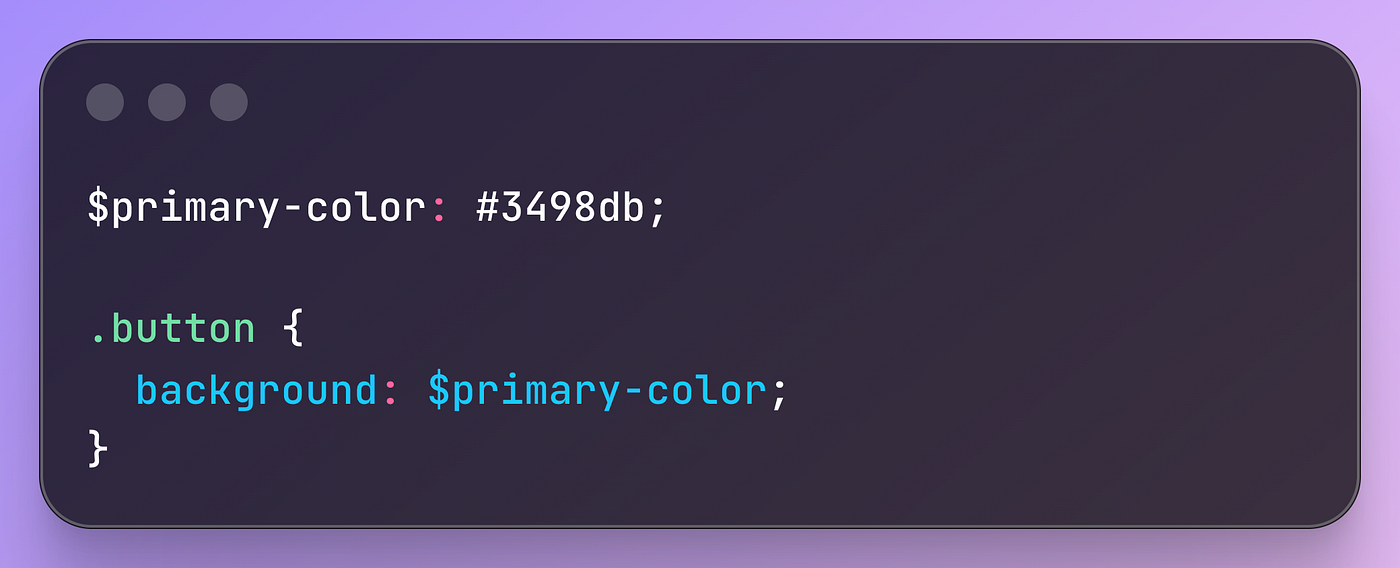
Quick Example: Vulnerable Log4j Detection

Takes a classic SQL join and turns it into named, modular logic cleaner, reusable, more semantic.
Final Thoughts
If your backend handles complex queries, security checks, or multi-source data reconciliation, Mangle deserves a spot in your toolbox. It’s declarative, expressive, and purpose-built for today’s fragmented data landscape. Explore it now, and you might just solve your nastiest query problems with fewer lines of code and clearer logic.
메타데이터
- post_id
- b7f6181f5afa
- slug
- meet-google-mangle-a-smarter-programming-language-for-databases-dependencies-and-data-chaos-b7f6181f5afa
- url
- https://medium.com/@tech.eve27/meet-google-mangle-a-smarter-programming-language-for-databases-dependencies-and-data-chaos-b7f6181f5afa
- canonical_url
- https://medium.com/@tech.eve27/meet-google-mangle-a-smarter-programming-language-for-databases-dependencies-and-data-chaos-b7f6181f5afa
- author_url
- https://medium.com/@tech.eve27
- status
- ok
- fetched_at
- 2026-07-17 20:17:52