A Love Letter to Trance’s Golden Age
There are certain moments in music history that feel impossible to recreate. Brief periods where creativity, technology, culture, and…
A Love Letter to Trance’s Golden Age
There are certain moments in music history that feel impossible to recreate. Brief periods where creativity, technology, culture, and passion align perfectly to create something extraordinary. For trance music, that moment arrived in the late 1990s and early 2000s.
For those who lived through it, the memories remain vivid. For those who discovered it later, it has become a mythical era spoken about with reverence. This was a time when Europe became the epicentre of a musical movement that would inspire millions around the world. A time when every week brought a new anthem, a new label, a new DJ, and a new reason to fall in love with electronic music all over again.
Today, many fans look back on those years as the golden age of trance. Looking back from the modern era of streaming platforms and social media algorithms, it is easy to understand why.
When Melodies Ruled the Dancefloor
What separated trance from every other genre was its ability to make people feel something profound.
The best trance records were not simply club tracks. They were emotional experiences. Built around soaring melodies, uplifting chord progressions, hypnotic rhythms, and unforgettable breakdowns, they transported listeners somewhere beyond the dancefloor.
Tracks such as Binary Finary’s “1998”, Chicane’s “Saltwater”, and Darude’s “Sandstorm” became more than successful releases. They became defining moments in electronic music history.
Every melody seemed larger than life. Every breakdown felt cinematic. Every drop delivered a rush that was both physical and emotional.
For a generation of clubbers, trance became the soundtrack to countless unforgettable nights and magical sunrises.
The Rise of Legendary Artists
The golden age of trance was powered by an extraordinary generation of artists who pushed the genre into uncharted territory.
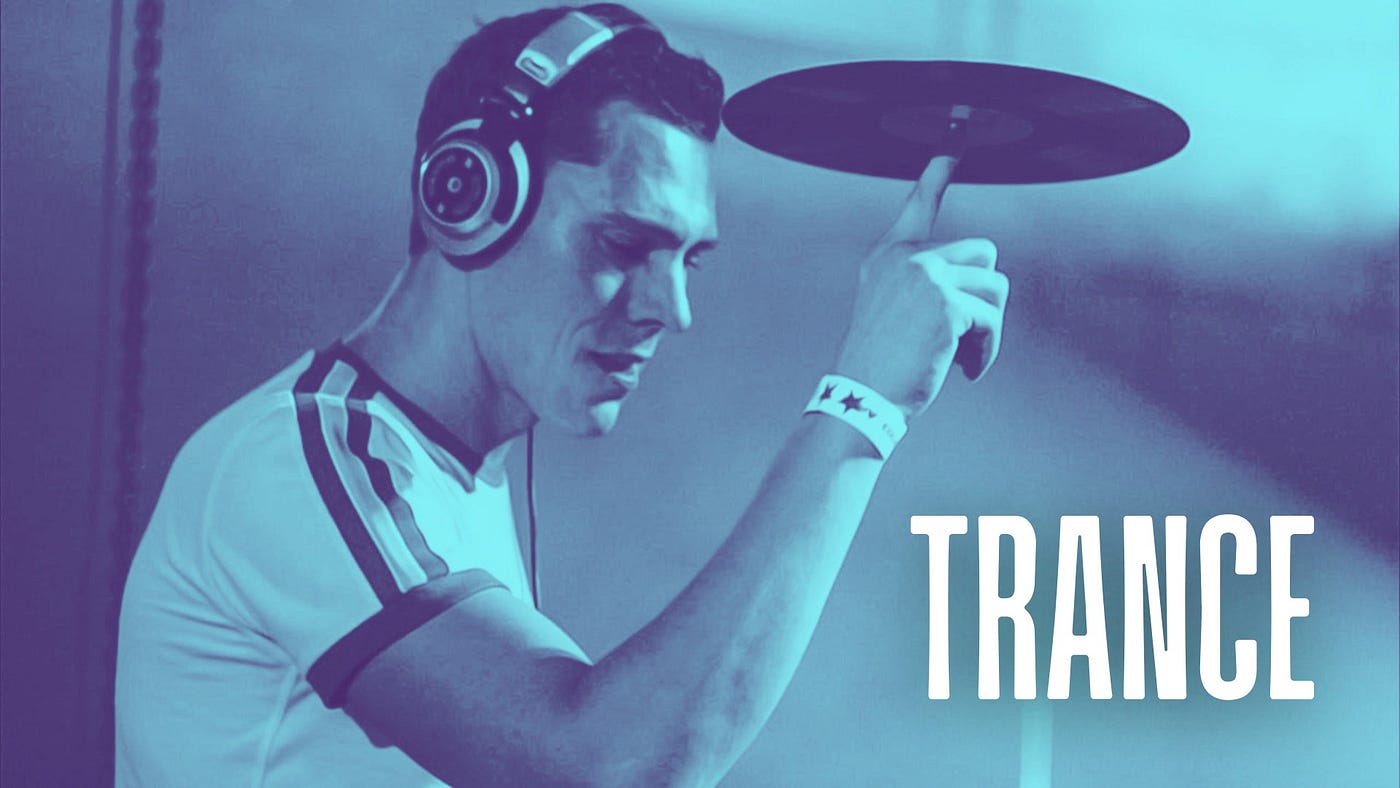
Tiësto emerged as one of dance music’s first true global superstars, captivating audiences with epic DJ sets that felt like emotional journeys from beginning to end.
Paul van Dyk perfected the art of uplifting trance, creating records that combined technical brilliance with genuine heart and emotion.
Ferry Corsten consistently delivered innovation through multiple aliases and projects, helping shape the sound of an entire generation. At the same time, a young Armin van Buuren was building the foundations of a career that would eventually make him one of the most influential figures in electronic music history.
The legendary Gouryella project delivered some of the most euphoric and beloved trance records ever produced, while Paul Oakenfold, Sasha, and John Digweed continued to push the boundaries of what electronic music could become.
These artists were not simply DJs.
They were pioneers, explorers, and architects of a movement that would influence electronic music for decades to come.
Europe Becomes the Capital of Trance
While trance eventually spread across the globe, Europe was unquestionably its spiritual home.
The Netherlands, Germany, Belgium, and the United Kingdom became hotbeds of creativity and innovation. Every month seemed to bring a new label, a new producer, or a new sound that pushed the genre forward.
Labels such as Black Hole Recordings, Tsunami, Vandit Records, Bonzai Records, and Armada Music helped establish an ecosystem where artists could experiment and thrive.
Record stores became gathering places for passionate fans searching for the latest white labels and exclusive releases. DJs spent countless hours digging through crates looking for the next anthem that would ignite a dancefloor.
The excitement was contagious.
Every release felt important. Every compilation felt essential. Every weekend offered the possibility of discovering something unforgettable.
The Era of the Anthem
One of the most remarkable aspects of trance’s golden age was the sheer number of timeless records being released.
Songs such as “For An Angel”, “Out of the Blue”, “Gouryella”, “1998”, “Saltwater”, “Sandstorm”, and countless others became cultural landmarks within the electronic music community.
These tracks possessed a rare quality that is difficult to manufacture.
They felt eternal.
Decades later, a single melody can instantly transport listeners back to packed clubs, massive festivals, laser-filled arenas, and euphoric moments shared with thousands of strangers united by music.
The records were not chasing trends.
They were creating them.
Before Streaming Changed Everything
Part of what made the era feel so special was the way fans discovered music.
There were no personalised recommendation engines deciding what people should hear next. Discovery required effort, curiosity, and passion.
Fans tuned into radio shows, purchased mix compilations, visited record stores, attended club nights, and followed their favourite DJs religiously.
When a new track appeared in a DJ set, it could take weeks or even months before fans finally discovered its title.
That sense of mystery created anticipation. Every discovery felt earned.
The relationship between artists, labels, DJs, and fans felt more intimate because everyone was participating in the same journey together.
Why We Still Talk About It Today
More than twenty years later, the influence of trance’s golden age remains impossible to ignore.
Modern progressive house, melodic techno, festival EDM, and contemporary trance all borrow elements from the foundation built during this extraordinary period.
Many of today’s biggest producers grew up listening to records created by Tiësto, Paul van Dyk, Ferry Corsten, Armin van Buuren, Chicane, and countless others who defined the era.
The emotional songwriting, melodic sophistication, and sense of musical storytelling that characterised classic trance continue to inspire artists around the world.
Most importantly, the music still sounds incredible.
These records were built on timeless musical principles rather than fleeting trends. Their emotional impact remains just as powerful today as it was when they first emerged from European studios and exploded across dancefloors around the world.
The Magic We Are Still Chasing
The late 1990s and early 2000s represented something truly unique in electronic music history.
It was an era of optimism, innovation, and boundless creativity. A period when new labels appeared constantly, when DJs became cultural icons, and when melodies seemed capable of changing lives.
For many fans, trance was never just a genre.
It was a feeling.
A feeling of standing in a crowd with thousands of strangers as a breakdown unfolded overhead. A feeling of watching the sunrise after dancing all night. A feeling of believing that music could take you somewhere beyond everyday life.
That is why the golden age of trance continues to occupy such a special place in the hearts of electronic music fans.
It was more than a moment.
It was magic.
At EDM Publishing, we believe the greatest electronic music transcends the dancefloor and creates lasting emotional connections. Few eras achieved that more beautifully than the golden age of trance, a period that remains one of the most inspiring chapters in the history of modern music.
메타데이터
- post_id
- b81ee43fbdfd
- slug
- a-love-letter-to-trances-golden-age-b81ee43fbdfd
- url
- https://medium.com/@edmpublishing/a-love-letter-to-trances-golden-age-b81ee43fbdfd
- canonical_url
- https://medium.com/@edmpublishing/a-love-letter-to-trances-golden-age-b81ee43fbdfd
- author_url
- https://medium.com/@edmpublishing
- status
- ok
- fetched_at
- 2026-06-16 19:09:56