Designing a Walking Habit You’ll Actually Stick To
Practical habit science tips: triggers, environment design, and identity shift
Designing a Walking Habit You’ll Actually Stick To
Practical habit science tips: triggers, environment design, and identity shift

Walking Habit
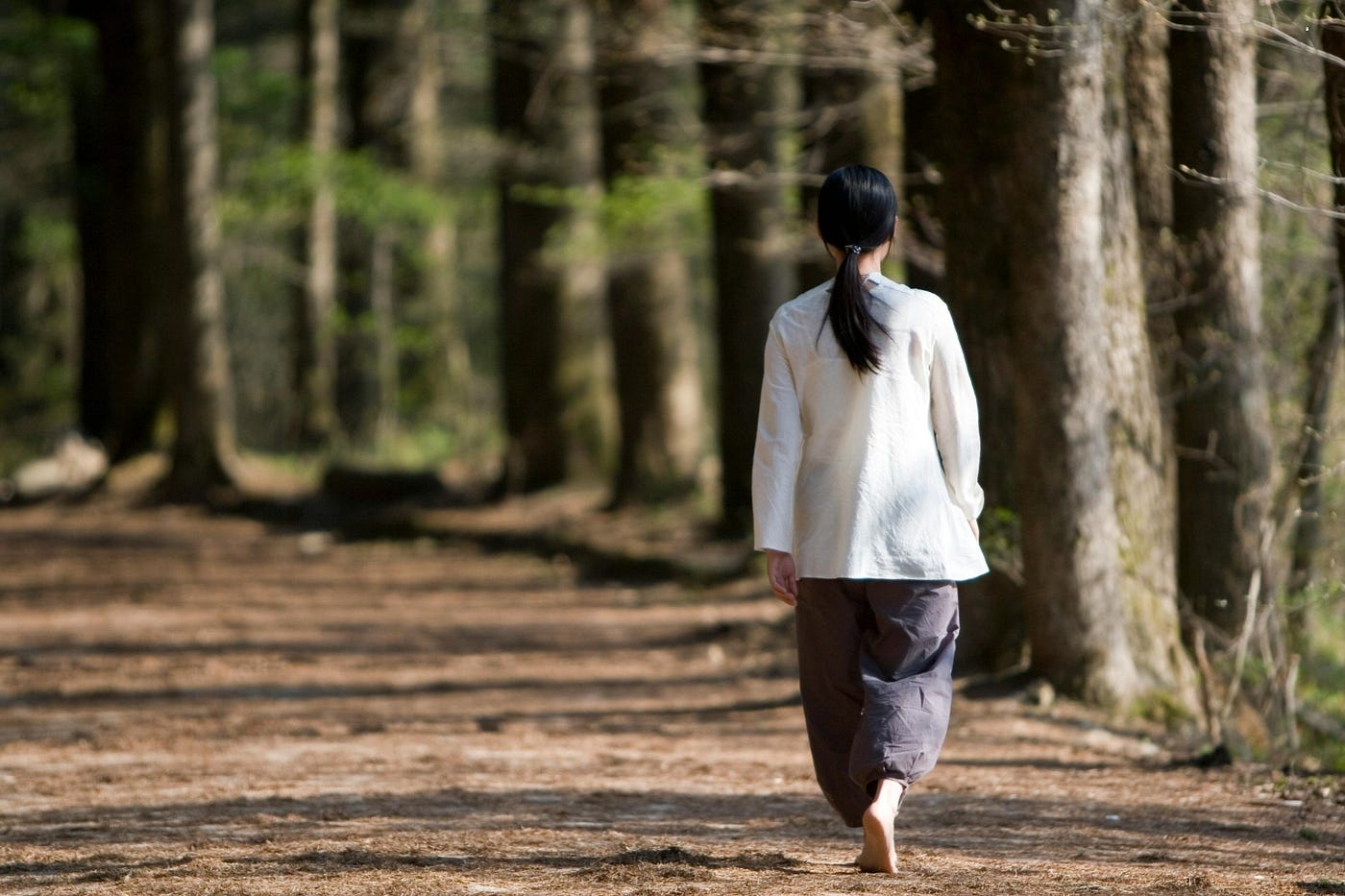
Walking is the most natural human activity. Our species evolved to cover long distances on foot; our physiology, cognition, and even social structures are built around it. And yet, in the modern world of cars, screens, and sedentary jobs, we find ourselves sitting more than ever.
We know walking improves health. We know it boosts mood, creativity, and longevity. But knowledge isn’t the issue. The real challenge is turning walking into a habit — something automatic, consistent, and sustainable.
Why do so many people fail to stick with daily walking, even though it requires no gym, no equipment, and barely any time? The answer lies in how habits work: through triggers, environment design, identity, and reinforcement.
In this article, we’ll explore how to create a walking habit that actually lasts, using insights from psychology, neuroscience, and behavioral economics.
1. Why Walking Is a Keystone Habit
Charles Duhigg, in The Power of Habit, defines a keystone habit as one that triggers positive ripple effects across many domains of life. Walking is a classic keystone habit:
- Health: Lowers blood pressure, improves cardiovascular fitness, reduces risk of diabetes.
- Mind: Boosts creativity (Stanford study, 2014) and memory (Erickson et al., PNAS, 2011).
- Mood: Elevates serotonin and dopamine, reducing anxiety and depression (JAMA Psychiatry, 2020).
- Social: Creates opportunities for connection through walking meetings or family strolls.
Because walking is simple and sustainable, it often becomes a gateway to other habits: better sleep, healthier eating, mindfulness practices. This makes designing a walking habit not just about movement but about identity transformation.
[embed]Keystone Habits
2. The Habit Loop: Cue, Routine, Reward
Psychologist B.J. Fogg and behavioral scientists describe habits as loops of cue → routine → reward.
- Cue (trigger): What reminds you to start walking?
- Routine (behavior): The act of walking itself.
- Reward (reinforcement): The feeling of relaxation, clarity, or accomplishment afterward.
The challenge is not the routine — it’s creating reliable cues and meaningful rewards. Many people fail because they leave walking to “whenever I have time,” which means it competes with urgent tasks and distractions.
Action tip: Attach walking to an existing daily cue. For example:
- After breakfast → 10-minute walk.
- After lunch → 15-minute stroll.
- End of workday → walking transition before dinner.
By embedding walking into existing rhythms, it shifts from intention to automaticity.
3. The Science of Triggers: Designing the Start
[embed]Habit Triggers
Research on implementation intentions (Peter Gollwitzer, 1999) shows that “if-then” planning dramatically increases habit adherence. Instead of vague goals like “I’ll walk more,” specify:
- “If it’s 12:30 p.m., then I will walk around the block before returning to work.”
- “If I get off the subway, then I will walk one extra stop before heading home.”
These mental scripts prime the brain to act automatically when the situation arises.
Environmental Triggers
- Place walking shoes by the door.
- Keep a light jacket visible on your chair.
- Use smartwatches or phone alarms as cues (but avoid snoozing them).
Social Triggers
- Schedule walks with a partner. Accountability raises adherence by over 65%, according to a Journal of Consulting and Clinical Psychology study.
Key point: Habits are not about willpower. They’re about designing triggers that make the decision for you.
4. Environment Design: Make Walking the Default
James Clear, in Atomic Habits, emphasizes environment over motivation: “You don’t rise to the level of your goals, you fall to the level of your systems.”
Friction and Affordances
- Reduce friction for walking: Choose routes starting at your front door.
- Increase friction for sitting: Keep TV remote in another room; block distracting apps at walk time.
Path of Least Resistance
Urban planning research shows that people walk more when sidewalks are wide, streets are shaded, and destinations are near. At the individual level, design your “micro-environment”: map out 10-minute, 20-minute, and 30-minute walking loops from home or work.
Anchoring to Commutes
If possible, incorporate walking into unavoidable routines: park farther away, get off one stop early, use stairs instead of elevators. When walking piggybacks on what you already do, consistency skyrockets.
5. Identity Shift: Becoming a Walker
Most behavior change fails because it focuses on outcomes (lose weight, lower stress) rather than identity. Psychologist William James wrote: “We are what we repeatedly do.”
Instead of thinking:
- “I want to walk every day.” → fragile intention. Think:
- “I am a walker.” → stable identity.
When walking becomes who you are, missing it feels wrong. Research on self-concept shows that identity-consistent actions require less effort and persist longer.
Joe Dispenza describes a similar principle in his walking meditations: embody the identity of your future self while walking. By practicing the emotional state of being a healthier, calmer, or more creative person, you condition your nervous system to match that identity.
Action tip: Use identity statements:
- “I am someone who never lets a day pass without walking.”
- “Walking is how I reset my mind.”
6. Rewards and Reinforcement
Habits stick when the brain perceives immediate reward. The problem with walking is that many of its biggest benefits (longevity, cardiovascular health) are delayed.
Hack the Reward System
- Track steps with a smartwatch or app (dopamine hit from metrics).
- Pair walking with enjoyable podcasts or music (though mindful walking should sometimes be silent).
- Reward yourself afterward with a ritual — cup of tea, journaling, or gratitude practice.
Emotional Rewards
A study in Health Psychology (2016) found that people who focused on immediate mood improvements from exercise (rather than weight loss) adhered better long-term. Notice how walking makes you feel calmer, clearer, more creative — that’s the real reward loop.
7. Walking and Social Connection
Habits are contagious. Nicholas Christakis’ research on social networks shows behaviors spread through groups like viruses. Walk with friends, family, or colleagues, and you’ll reinforce each other’s consistency.
Walking Meetings
Harvard Business Review has reported on the benefits of walking meetings: they increase creativity, reduce hierarchy, and improve engagement. Steve Jobs and Aristotle both preferred walking discussions.
Family Rituals
Evening walks after dinner build both health and connection. In intergenerational studies, families who walk together report higher cohesion and lower stress.
8. Overcoming Barriers
Barrier 1: “I don’t have time.”
Solution: Micro-walks. A 5-minute walk after meals reduces blood sugar spikes (Diabetologia, 2013). Ten-minute walks restore focus. Time is rarely the issue — it’s framing.
Barrier 2: “The weather is bad.”
Solution: Build an indoor walking route (malls, hallways, treadmills). Consistency matters more than scenery.
Barrier 3: “I lose motivation.”
Solution: Identity shift + tracking. Motivation fades; systems remain.
9. Mindful and Purposeful Walking
Not all walks are equal. The mindset you bring shapes the benefits.
- Mindful walks: Pay attention to breath, steps, and surroundings. Thích Nhất Hạnh: “Walk as if you are kissing the Earth with your feet.”
- Creative walks: Pose a question before walking. Stanford research shows walking boosts divergent thinking by 60%.
- Gratitude walks: Reflect on three things you appreciate while moving. Gratitude activates dopamine and serotonin, enhancing well-being.
Walking becomes more than exercise — it becomes practice.
10. From Habit to Lifestyle
The goal is not 21-day challenges or streak apps. It’s lifelong integration. The healthiest societies on Earth (Blue Zones like Okinawa and Sardinia) don’t “exercise” — they walk daily as part of life. Movement is embedded in identity, environment, and culture.
Designing a walking habit is not about forcing yourself. It’s about arranging cues, environments, and identities so that walking is the obvious, enjoyable choice.
Practical Blueprint: A Walking Habit That Sticks
- Anchor: Choose a consistent daily cue (after meals, start/end of work).
- Design environment: Shoes by the door, routes mapped, reduce friction.
- Identity: Adopt “I am a walker” mindset.
- Reward: Notice mood shifts; track steps for reinforcement.
- Scale: Start small (5 minutes) and expand gradually.
- Integrate: Add mindful, creative, or social dimensions.
Conclusion: Every Step is a System
Walking is not glamorous. It won’t go viral on fitness TikTok. But it is one of the most profound habit investments you can make. By designing it intentionally — through triggers, environment, and identity — you unlock a keystone habit that transforms body, mind, and life.
The Roman philosopher Seneca wrote: “It is not that we have a short time to live, but that we waste much of it.”
Walking is the antidote. It gives us back our time, not by adding hours but by enriching them — step by step, habit by habit.
So lace up. Step outside. And design a habit you’ll not just start, but keep — for life.
메타데이터
- post_id
- b835aefb2c14
- slug
- designing-a-walking-habit-youll-actually-stick-to-b835aefb2c14
- url
- https://medium.com/@kirtok/designing-a-walking-habit-youll-actually-stick-to-b835aefb2c14
- canonical_url
- https://medium.com/@kirtok/designing-a-walking-habit-youll-actually-stick-to-b835aefb2c14
- author_url
- https://medium.com/@kirtok
- status
- ok
- fetched_at
- 2026-06-09 15:37:30