Why BIM Modeling Services Are Reshaping Construction Project Delivery Across the USA
Construction projects today are expected to achieve more than ever before.
Why BIM Modeling Services Are Reshaping Construction Project Delivery Across the USA

Construction projects today are expected to achieve more than ever before.
Architects must balance creativity with practicality. Developers need predictable budgets and timelines. Contractors face increasing pressure to deliver projects efficiently despite labor shortages, supply chain disruptions, and growing project complexity.
Yet one challenge remains remarkably common across the industry: poor coordination between project stakeholders.
When architects, engineers, contractors, and consultants work from disconnected information, costly mistakes often follow. Design conflicts, rework, delays, and budget overruns can quickly impact project success.
This is one reason **BIM Modeling services** have become a critical component of modern construction workflows across the United States.
Far beyond 3D visualization, BIM helps project teams collaborate more effectively, make informed decisions, and reduce risks before construction begins.
The Shift From Drawings to Intelligent Building Data
For decades, construction projects relied heavily on traditional drawings and documentation.
While these methods remain important, modern projects require a more connected approach.
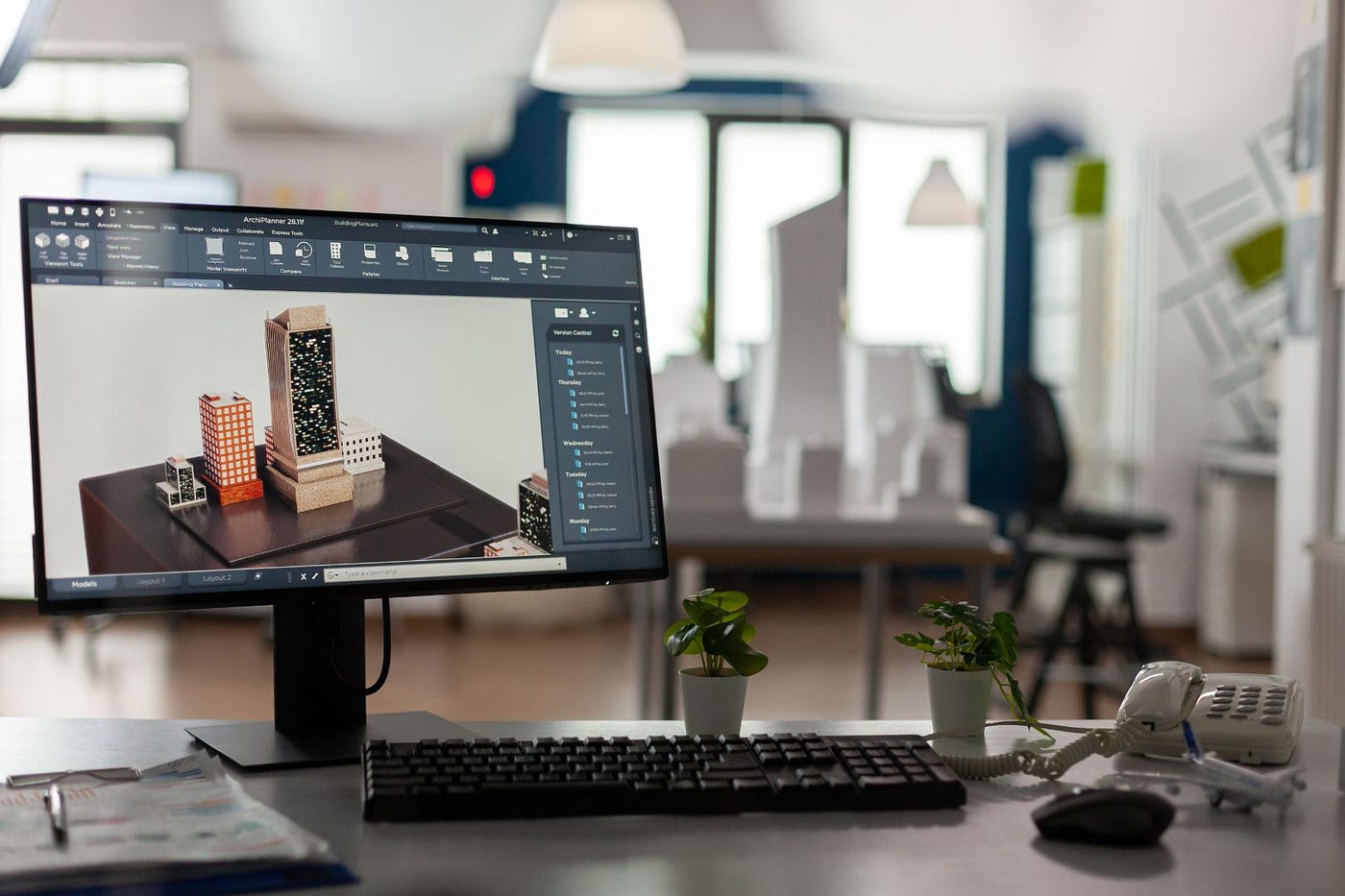
Building Information Modeling services create intelligent digital representations of buildings that combine geometry, data, specifications, and project information into a single coordinated environment.
Instead of reviewing separate drawings from multiple disciplines, stakeholders can analyze a comprehensive project model that reflects how building systems interact in the real world.
This shift has fundamentally changed how construction teams plan, coordinate, and execute projects.
Why Construction Projects Are Becoming More Complex
Several factors are contributing to increased project complexity throughout the USA.
More Building Systems
Modern buildings contain sophisticated mechanical, electrical, plumbing, security, and automation systems that must work together seamlessly.
Higher Client Expectations
Owners expect greater efficiency, sustainability, and operational performance from their facilities.
Faster Project Timelines
Many developers are under pressure to bring projects to market quickly, leaving little room for costly delays.
These realities make effective coordination more important than ever.
How BIM Modeling Services Improve Project Outcomes
Better Design Coordination
One of BIM’s greatest strengths is its ability to identify conflicts before construction begins.
Structural, architectural, and MEP systems can be reviewed together within a coordinated model.
This process helps teams resolve issues early rather than reacting to problems in the field.
Enhanced Collaboration
Successful construction projects depend on communication.
BIM provides a shared environment where project stakeholders can access coordinated information, reducing misunderstandings and improving decision-making.
Professionals interested in improving multidisciplinary collaboration often study BIM project coordination workflows to better understand how integrated teams operate throughout project development.
More Accurate Planning
BIM models can support scheduling, quantity takeoffs, and cost analysis.
This helps project teams evaluate potential challenges before construction activities begin.
The result is improved predictability and reduced project uncertainty.
Real-World Use Case
Consider a mixed-use commercial development involving architects, structural engineers, MEP consultants, contractors, and ownership representatives.
During BIM coordination reviews, project teams discovered multiple issues that traditional drawing reviews had not identified:
- HVAC systems conflicting with structural framing
- Plumbing routes intersecting electrical pathways
- Equipment access restrictions in mechanical spaces
Because these issues were identified digitally, the team resolved them before construction documentation was finalized.
This proactive approach helped reduce rework, minimize delays, and improve overall project efficiency.
Such outcomes explain why BIM adoption continues to expand throughout the American construction industry.
The Growing Role of Specialized BIM Expertise
As BIM workflows become more advanced, many organizations seek support from external specialists.
Many specialized firms, including **BIM Home Studio**, support architects and contractors by providing BIM expertise that complements in-house design and construction teams.
This allows project stakeholders to access advanced modeling, coordination, and documentation capabilities without significantly increasing internal resource requirements.
Benefits of BIM Services
Organizations implementing BIM often experience benefits such as:
- Improved project coordination
- Reduced design conflicts
- Better communication among stakeholders
- Enhanced visualization
- More accurate project planning
- Reduced rework and waste
- Greater cost predictability
- Improved project delivery efficiency
What the Future Looks Like
BIM continues to evolve well beyond traditional design coordination.
Emerging technologies are expanding its impact through:
Digital Twins
Dynamic building models that support operations and facility management.
Smart Building Integration
Connecting building systems with real-time operational data.
Sustainability Analysis
Helping project teams evaluate environmental performance before construction begins.
Data-Driven Decision Making
Providing project stakeholders with deeper insights throughout the building lifecycle.
As these technologies mature, BIM will become even more valuable as a foundation for efficient project delivery.
Conclusion
The construction industry is moving toward a more connected and data-driven future. BIM is helping architects, builders, developers, and designers navigate increasing project complexity through better coordination, improved visibility, and more informed decision-making.
Rather than simply changing how buildings are modeled, BIM is transforming how projects are planned, communicated, and delivered. As adoption continues across the United States, organizations that embrace BIM-driven workflows will be better equipped to manage risk, improve efficiency, and achieve better project outcomes.
FAQs
What are BIM Modeling services used for?
BIM Modeling services create intelligent digital building models that improve coordination, planning, visualization, and project management throughout the construction lifecycle.
How do BIM services help reduce project risks?
BIM helps identify design conflicts early, improves collaboration among stakeholders, and supports more accurate planning before construction begins.
Is BIM only useful for large construction projects?
No. BIM can provide significant benefits for residential, commercial, industrial, and renovation projects of various sizes.
메타데이터
- post_id
- b855deceebac
- slug
- why-bim-modeling-services-are-reshaping-construction-project-delivery-across-the-usa-b855deceebac
- url
- https://medium.com/@bimhomestudios/why-bim-modeling-services-are-reshaping-construction-project-delivery-across-the-usa-b855deceebac
- canonical_url
- https://medium.com/@bimhomestudios/why-bim-modeling-services-are-reshaping-construction-project-delivery-across-the-usa-b855deceebac
- author_url
- https://medium.com/@bimhomestudios
- status
- ok
- fetched_at
- 2026-06-27 23:56:40