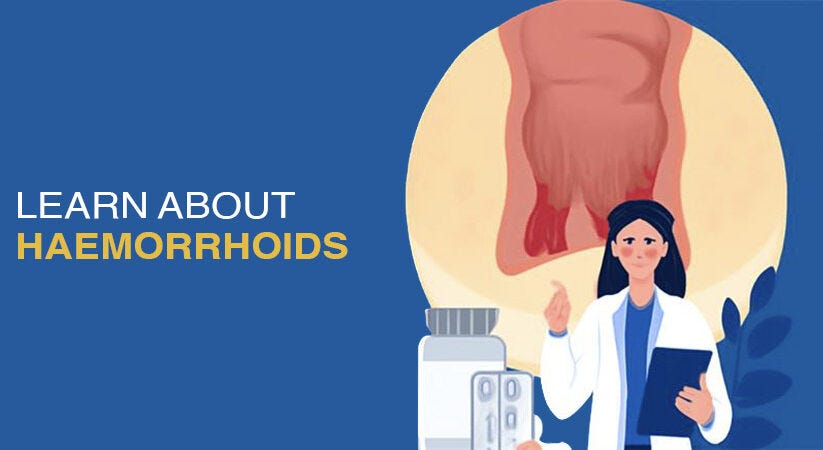
Anal Fissures During Pregnancy: Why They Happen and How to Find Relief
Pregnancy brings many changes to the body, some expected and others that can be surprising. While morning sickness, back pain, and swollen…
Anal Fissures During Pregnancy: Why They Happen and How to Find Relief
Pregnancy brings many changes to the body, some expected and others that can be surprising. While morning sickness, back pain, and swollen feet are commonly discussed, anal fissures are a less talked-about issue that can cause significant discomfort for many expectant mothers.
The good news is that anal fissures are common during pregnancy, and in most cases, they can be managed with simple lifestyle changes and appropriate medical care.
What Is an Anal Fissure?
An anal fissure is a small tear in the lining of the anal canal. Although the tear may be tiny, it can cause sharp pain during bowel movements, followed by burning or discomfort that may last for several hours. Some people also notice small amounts of bright red blood on toilet paper after passing stool.
During pregnancy, hormonal changes and increased pressure on the pelvic region can make this condition more likely to develop.
Why Are Pregnant Women More Prone to Anal Fissures?
Several factors contribute to the increased risk during pregnancy.
One of the most common causes is constipation. Pregnancy hormones slow digestion, allowing the body to absorb more water from food. As a result, stools become harder and more difficult to pass. Straining during bowel movements can lead to small tears in the anal lining.
The growing uterus also places extra pressure on the rectal area, while reduced physical activity in later pregnancy may further contribute to constipation.
Recognizing the Symptoms
Anal fissures often have noticeable symptoms that differ from general discomfort.
Common signs include:
- Sharp pain during or after bowel movements.
- Bright red bleeding on toilet paper.
- Burning or itching around the anus.
- A visible crack or tear near the anal opening.
- Fear of bowel movements because of recurring pain.
These symptoms should not be ignored, especially if they persist or worsen over time.
Managing Anal Fissures Safely During Pregnancy
Treatment usually focuses on reducing pain, promoting healing, and preventing further injury.
Drinking enough water and eating a diet rich in fruits, vegetables, and whole grains can help soften stools naturally. Gentle exercise, such as walking, may also improve bowel regularity.
Warm sitz baths can soothe irritation and relax the muscles around the anus, providing temporary relief. In some cases, healthcare providers may recommend pregnancy-safe stool softeners or topical medications.
Any medication should only be used after consulting a qualified medical professional.
When to Seek Medical Advice
While many anal fissures heal with conservative care, medical evaluation is important if symptoms continue for several weeks, bleeding becomes frequent, or pain is severe.
Persistent symptoms may indicate another condition that requires a different treatment approach. Early assessment helps prevent complications and supports a smoother recovery.
Prevention Is Often the Best Approach
Preventing constipation is one of the most effective ways to reduce the risk of anal fissures during pregnancy.
Simple habits can make a meaningful difference:
- Stay well hydrated throughout the day.
- Include plenty of fiber-rich foods in daily meals.
- Avoid delaying bowel movements when the urge occurs.
- Stay physically active if approved by your healthcare provider.
- Follow prenatal care recommendations consistently.
These measures not only reduce the risk of fissures but also support overall digestive health during pregnancy.
A Final Thought
Although anal fissures can be painful and distressing, they are a common pregnancy-related condition that can often be managed successfully with early attention and healthy lifestyle habits. Understanding the causes and recognizing the symptoms can help expectant mothers seek timely care and avoid unnecessary discomfort.
For individuals experiencing persistent symptoms, consulting an experienced healthcare provider is the best way to receive an accurate diagnosis and appropriate treatment. Healthcare institutions like **Chirag Global Hospitals** continue to support patients with specialized care for colorectal conditions while emphasizing safe and effective treatment throughout every stage of life.
**Read More: Complete Guide to Anal Fissures During Pregnancy** Discover the causes, symptoms, treatment options, and practical prevention tips for anal fissures during pregnancy. Learn how early care and healthy habits can help ensure a more comfortable pregnancy journey.
메타데이터
- post_id
- b8bcdfd2041c
- slug
- anal-fissures-during-pregnancy-why-they-happen-and-how-to-find-relief-b8bcdfd2041c
- url
- https://medium.com/@Gutcare/anal-fissures-during-pregnancy-why-they-happen-and-how-to-find-relief-b8bcdfd2041c
- canonical_url
- https://medium.com/@Gutcare/anal-fissures-during-pregnancy-why-they-happen-and-how-to-find-relief-b8bcdfd2041c
- author_url
- https://medium.com/@Gutcare
- status
- ok
- fetched_at
- 2026-07-10 01:40:30