The Humor of King-Slapping Element in Modern Comedy
In the world of comedy, few things are as timeless as the act of bringing powerful figures down to a more human level. From the earliest…
The Humor of King-Slapping Element in Modern Comedy
In the world of comedy, few things are as timeless as the act of bringing powerful figures down to a more human level. From the earliest days of storytelling, humor has been a tool to subvert authority, poking fun at those who typically command respect and fear. This tradition has carried through to modern comedy, where the “slapping the king” trope — whether literal or metaphorical — continues to entertain audiences.
At its core, this comedic device is about role reversal and the undermining of societal hierarchies. By placing a king, prince, or any high-ranking figure in situations where their power is either ignored or ridiculed, comedy challenges the traditional expectations of deference and respect. This dynamic not only provides a rich source of humor but also serves as a subtle critique of power structures, making the powerful seem fallible, vulnerable, and ultimately human.
Historically, physical comedy has been one of the most effective ways to execute this trope. The sight of a king being tripped, slapped or otherwise humiliated has roots in ancient theater and has evolved over centuries through various forms of performance art. However, modern comedy often takes a more nuanced approach, using dialogue, situational irony and character interactions to achieve the same effect. In this way, modern Turkish comedies like Gibi and The Prince continue the tradition of bringing down the mighty — not through physical blows but through clever narrative twists and turns.
Modern Comedy and Power Dynamics
In modern comedy, the exploration of power dynamics remains a central theme. The reversal of roles, where those in power are humbled or mocked, is a common motif that resonates with audiences. This theme reflects a broader cultural fascination with seeing those who are often untouchable brought down to earth. It provides a form of comedic justice, where the powerful are not immune to the absurdities of life that the rest of us face daily.
Shows like Gibi and The Prince exemplify this approach. They use historical and fictional settings to explore how power dynamics can be upended in humorous ways.
Slapping The French King as a Humor Element in Modern Turkish Comedy
Two recent comedy series, Gibi and The Prince, use this idea of humbling royalty in clever and funny ways.
Both series use these scenarios to explore themes of authority, status and the often absurd nature of power, offering a fresh take on how historical figures can be portrayed in a modern comedic light.
Gibi
Gibi is a popular Turkish comedy series that has garnered significant attention for its unique blend of humor, satire, and absurdity. The title Gibi, which translates to “As If” in English, is indicative of the show’s approach to storytelling — each episode presents a situation that feels familiar but is twisted into something surreal and often hilariously unexpected.
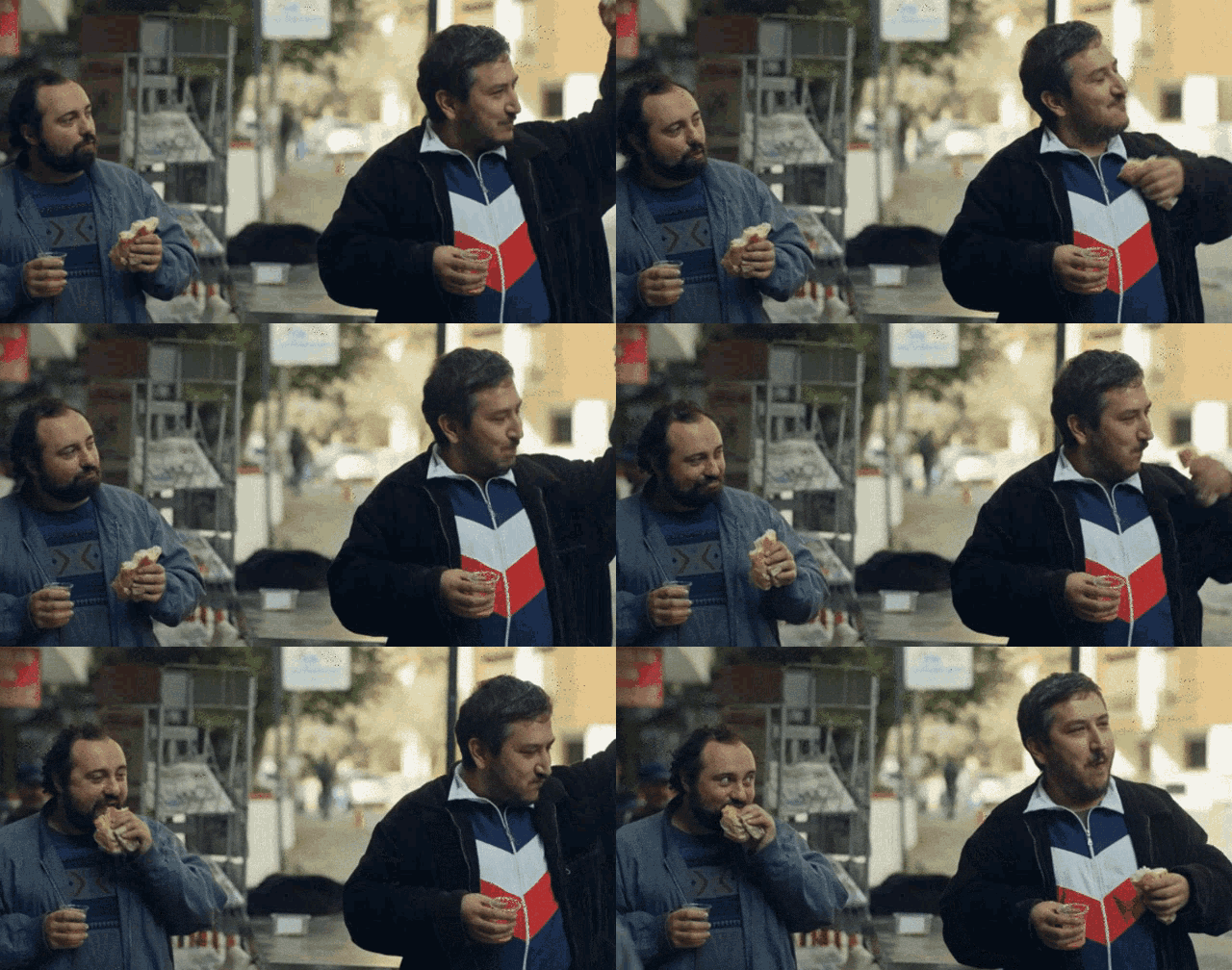
The series primarily follows the lives of three main characters, Yılmaz, İlkkan, and Ersoy, who are played by Feyyaz Yiğit, Kıvanç Kılınç, and Ahmet Kürşat Öçalan, respectively. These characters navigate everyday situations that quickly spiral out of control due to their peculiar personalities and the bizarre circumstances they find themselves in. The humor in Gibi often comes from the exaggerated reactions of the characters to these situations, making the ordinary seem extraordinary.

One of the standout aspects of Gibi is its season finales, where the show takes a departure from its regular setting and places the characters in various historical periods. These episodes are particularly notable for their creativity and the way they juxtapose modern sensibilities with historical contexts. Whether it’s the invention of horse-riding, the Roman Empire during Nero’s reign, or 17th-century France, each historical setting is explored with a mix of absurdity and sharp wit.

In the episode set in 17th-century France, the characters find themselves at a fair, where they unknowingly encounter a young king. This episode, like many others in the series, plays with the idea of power and status, using the characters’ ignorance to create humor. The historical episodes of Gibi are a testament to the show’s ability to blend different genres and eras while maintaining its distinct comedic style.

Gibi has been praised for its intelligent humor and the chemistry between its lead actors. The show has developed a dedicated following in Turkey and among Turkish-speaking audiences worldwide, who appreciate its fresh take on everyday life and its ability to find humor in the most unexpected places.
The Prince
The Prince is a modern comedy series that takes a satirical look at royalty and the absurdities of monarchical life. Set in the fictional kingdom of Bongomia in Central Europe during the 15th century, the series combines historical elements with modern humor, creating a unique and engaging viewing experience. The show is centered around the titular character, a prince who finds himself caught in a series of bizarre and often comedic situations as he navigates the complexities of royal life and politics.

The protagonist of The Prince is portrayed as a somewhat naive and impulsive young royal who often finds himself in over his head, played by Giray Altınok. His character is relatable in his flaws and misadventures, which often lead to humorous outcomes that highlight the absurdity of the situations he faces. Despite his royal status, the prince is depicted as someone who is far from perfect, making decisions that often lead to unintended and comedic consequences.

One of the central themes of The Prince is the clash between the expectations of royalty and the realities of human nature. The series frequently places the prince in situations where his royal status is either challenged or undermined, creating a dynamic where the audience can laugh at the contrast between how royalty is supposed to behave and how they actually do. This theme is particularly evident in an episode where the prince seeks assistance in the French Kingdom and ends up in a tense interaction with the future king of France. The humor in this episode stems from the mutual tension and the unroyal behavior that both characters exhibit, making the audience see them as flawed, relatable individuals rather than distant, untouchable figures.

The Prince is known for its witty dialogue, sharp satire, and the way it plays with historical settings while infusing them with modern comedic sensibilities. The show has gained a following for its clever use of humor to explore the nature of power, authority, and the human condition. By placing its characters in absurd and often ridiculous situations, The Prince offers a fresh and entertaining perspective on the lives of the royals, making it a standout in the genre of historical comedy.
How These Scenes Work
In both series, the comedy comes from the surprise and absurdity of seeing a king or a prince being treated in such an ordinary and undignified way. In Gibi, the humor is more about the characters not realizing they are dealing with royalty, which makes their rough treatment even funnier. In The Prince, the comedy is more direct, with the characters engaging in a physical fight that strips away their royal status.
Wrapping Up
Both Gibi and The Prince deserve a round of applause for their innovative approach to humor in modern Turkish comedy. By cleverly weaving historical settings with modern comedic sensibilities, these series have brought fresh perspectives to the genre. Gibi stands out for its ability to transform ordinary situations into extraordinary and absurdly funny experiences, particularly in its historical episodes where characters interact with a young king in the most unexpected ways. Meanwhile, The Prince shines with its satirical take on royal life, offering a humorous exploration of power dynamics that resonates with audiences.
Before concluding, I would like to share the links to the first episodes of both series, Gibi and The Prince, for those interested in experiencing the humor and unique storytelling firsthand. These episodes provide an excellent introduction to the characters, themes, and comedic styles discussed in this article, allowing viewers to better understand the creative ways in which these shows subvert traditional power dynamics. You can find the first episodes of ***Gibi and [The Prince](https://youtu.be/fRHZSSu__Hk?si=QCmcXzgd2ov5CbLv) on YouTube, and through the original platforms: [Exxen](https://www.exxen.com/tr/watch-serie/gibi-1-bolum/22711) and [BluTV](https://www.blutv.com/int/diziler/yerli/prens/1-sezon/1-bolum-izle)*** with English Subtitles.
These series not only entertain but also push the boundaries of traditional comedy, making them both notable contributions to Turkish television and a testament to the creativity and humor that modern Turkish series can offer.
메타데이터
- post_id
- b8c04aee5d89
- slug
- the-humor-of-king-slapping-element-in-modern-comedy-b8c04aee5d89
- url
- https://medium.com/@serdar1aslan/the-humor-of-king-slapping-element-in-modern-comedy-b8c04aee5d89
- canonical_url
- https://medium.com/@serdar1aslan/the-humor-of-king-slapping-element-in-modern-comedy-b8c04aee5d89
- author_url
- https://medium.com/@serdar1aslan
- status
- ok
- fetched_at
- 2026-06-28 14:26:31