How Scaffolding Training Can Reduce On-Site Accidents and Improve Compliance
Scaffolding plays a critical role in construction projects of all sizes, providing essential support for workers who perform tasks at…
How Scaffolding Training Can Reduce On-Site Accidents and Improve Compliance
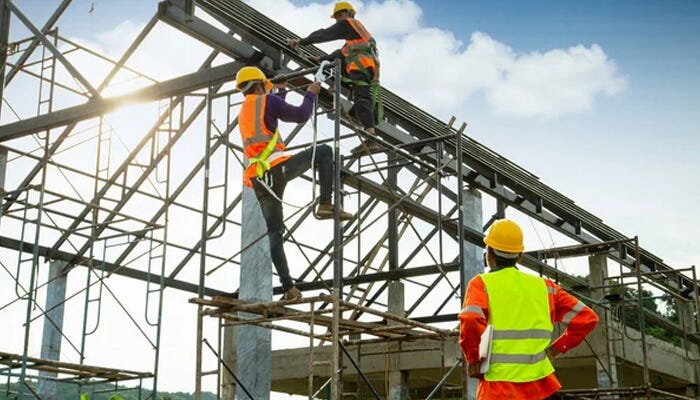
Scaffolding plays a critical role in construction projects of all sizes, providing essential support for workers who perform tasks at height. While scaffolding is indispensable, it also introduces significant risks, making proper scaffolding training crucial to ensuring safety and compliance on construction sites.
The Hidden Risks of Working at Height
At first glance, scaffolding may appear stable and safe. However, even minor issues like loose fittings, missing guardrails, or poor weather conditions can transform scaffolding into a significant hazard. The consequences of these risks — such as falls, scaffold collapse, or falling objects — can lead to severe injuries or fatalities.
Many of these accidents could be avoided. The root cause often lies not with the scaffolding equipment but with human error: poor planning, lack of training, or a simple failure to recognize hazards. This is where scaffolding training comes in. Properly trained workers can spot potential issues early, ensuring safety before problems arise.
Why Proper Scaffolding Training is Essential
Proper scaffolding training is vital for reducing on-site accidents and improving compliance with safety standards. It teaches workers how to recognize and assess risks associated with scaffolding, understand load limits, and identify unsafe practices. Training also provides the knowledge necessary to act quickly in case of an emergency.
Beyond the legal benefits of compliance, investing in scaffolding training leads to a more productive and efficient workforce. Accidents are costly — not only in terms of medical expenses and downtime but also in terms of potential fines and legal complications. By training workers properly, construction companies can minimize these risks, saving time, money, and ensuring safer working conditions for all involved.
What Effective Scaffolding Training Should Cover
An effective scaffolding training program should go beyond basic safety guidelines. Workers need hands-on training that focuses on:
- Understanding scaffolding construction and failure modes: Knowing how scaffolding works and how it can fail is critical to ensuring safety.
- Safe assembly and dismantling procedures: Proper setup and breakdown are essential to maintaining scaffold stability and preventing accidents.
- Load limits, ties, and bracing: Workers need to understand the importance of load capacity and the role of scaffolding ties and bracing in ensuring stability.
- Inspection procedures: Frequent inspections help identify hazards before they lead to incidents, and workers should know how to assess the integrity of scaffolding.
- Workplace behavior: Workers must be trained to recognize safe practices, including where to step, what to check before climbing, and how to stay alert throughout their shifts.
Training programs that incorporate real-world examples of accidents can be especially effective. Seeing how small mistakes escalated into major problems makes the lessons much more memorable.
Role-Specific Training for Better Compliance
Not all workers require the same level of training. Different roles — such as laborers, supervisors, and inspectors — require distinct skill sets. Tailoring the training to the specific roles on-site helps ensure that every worker knows exactly what is expected of them:
- Laborers should receive hands-on training in scaffold setup and recognizing potential risks.
- Supervisors need to understand safety regulations and how to enforce them on the job.
- Inspectors should have a sharp eye for detail to ensure scaffolding meets safety standards before being used.
Tailored, role-specific instruction not only ensures compliance with safety laws, such as the Work at Height Regulations 2005, but also improves communication and coordination on-site, making it easier to prevent accidents and ensure worker safety.
The Importance of Scaffold Inspections
Proper scaffold inspection is a key component of accident prevention, yet it’s often overlooked. Inspections should be thorough and frequent, focusing on identifying risks like loose fittings, worn boards, and weak anchor points.
Training workers in scaffold inspections can prevent accidents by allowing trained eyes to spot faults before they become dangerous. An inspector’s role is vital, as they’re the last line of defense before workers climb onto the scaffolding. A well-executed inspection system builds trust on-site, ensuring that workers feel confident that scaffolding is safe.
Conclusion: Safety First
Scaffolding safety isn’t just about meeting legal requirements — it’s about preventing accidents, saving lives, and maintaining a safe work environment for all. Proper scaffolding training equips workers with the knowledge and skills they need to identify and mitigate risks, ensuring compliance with safety standards and reducing the chance of accidents.
Investing in scaffolding training is one of the smartest decisions a construction company can make. It results in fewer accidents, safer working conditions, improved productivity, and a more efficient operation. In the world of construction, safety should never be a compromise. Proper scaffolding training is the backbone of ensuring a safe and compliant site.
Originally Published By TYCOONSTORY MEDIA
메타데이터
- post_id
- b8cd44ce8836
- slug
- how-scaffolding-training-can-reduce-on-site-accidents-and-improve-compliance-b8cd44ce8836
- url
- https://medium.com/@tycoonstories/how-scaffolding-training-can-reduce-on-site-accidents-and-improve-compliance-b8cd44ce8836
- canonical_url
- https://medium.com/@tycoonstories/how-scaffolding-training-can-reduce-on-site-accidents-and-improve-compliance-b8cd44ce8836
- author_url
- https://medium.com/@tycoonstories
- status
- ok
- fetched_at
- 2026-06-15 20:49:13