Can NFTs Replace Conservation Easements?
The way to connect humans with nature while minimizing harmful environmental impact.
Can NFTs Replace Conservation Easements?
The way to connect humans with nature while minimizing harmful environmental impact.

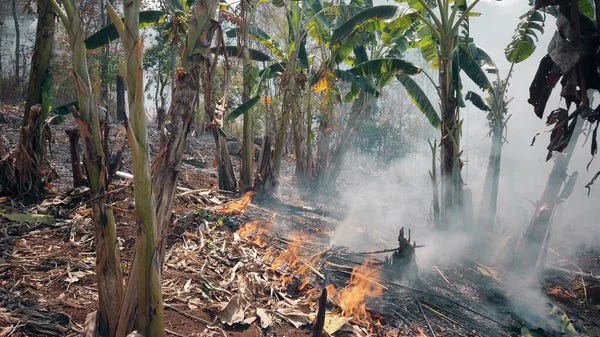
Visualization of the synchronicity between humans and the environment. Image pulled from DepositPhotos.
Undeveloped land provides opportunities to integrate human activities that have little impact on an ecosystem’s biodiversity, with natural environments.
Through the implementation of a conservation easement, undeveloped land is supposed to be utilized in a way that ensures its biodiversity is preserved, while also benefiting humans.
What is a conservation easement?
A conservation easement is a legally binding agreement where an organization or party interested in a certain tract of land, is granted the right to protect it by the landowner. The ownership of the property remains under the control of the landowner. Now, how that land is protected is dependent on the individual easement.
Every conservation easement is different and unique in the ways they protect specific tracts of land. This is by virtue of how every landowner has varying conservation objectives, and every party interested in obtaining land through conservation easements has varying development priorities. For example, one easement may outline protection rights for a tract of land where the landowner can voluntarily restrict or limit the usage rights of the organization so that the impact on the land’s biodiversity is minimized. Another easement may outline rights that protect the land, but still enable an interested party to clear-cut all the timber on that land.
So, one must be very careful when considering the benefits of conservation easements. The language that defines the land protection rights these agreements enable, is not standard or generic, but specific to the interests of the parties involved in each individual conservation easement.
Purpose of Conservation Easements
Easements can be tailored for varying conservation objectives depending on the site and always seek to facilitate land protection. Conservation easements grant landowners the opportunity to achieve their personal goals for environmental stewardship. The design of an easement is determined by the controlling interests of the landowner and can be structured to protect specific ecosystems like wildlife habitats, wetlands, and forests; there are also agricultural easements that facilitate the usage of farmlands.

Map of all of the properties in the United States protected under conservation easements. Screenshot captured from the National Conservation Easement Database: NCED Mapping Application (tplgis.org).
Negative Perception
Millions of acres have been claimed to be protected through the implementation of conservation easements. These agreements enable new opportunities for landowners to monetize undeveloped properties which they claim preserve the ecology of the land, when most of the time, really don’t.
Communities and environmental authorities across the United States have put together various easement frameworks that attempt to enable the better protection of lands. Sites like residential and state parks offer a connection to nature but instead of stressing the importance of preservation, they encourage human activity which further damages ecosystems.
However, easement documents are extremely complex in their structure, commonly being over 100 pages in length just to describe how they can be used. Getting access to these documents that outline the protection rights of a specific easement requires permission from the parties involved, which can be a tedious legal process.
Easements don’t concisely outline the land protection rights they enable and if conservation objectives are not defined clearly and transparently, there is no way to ensure said objectives can be achieved for a certain tract of land. Easements, although legally binding, involve greenwashing to push their commercial value and do not hold involved parties accountable for reporting on the status of land protection.
Conservation easements restrict the development potential of land which can lower its market value, and in turn lower the taxes paid on that land. Due to this, landowners may receive a tax receipt for the value of the conservation easement. This can significantly reduce estate taxes when property is passed on from one generation to the next. This has resulted in criticism towards the utilization of conservation easements, and a negative perception surrounding their implementation.
Corporations enter conservation easements as a strategy to earn additional tax write offs. This has become so prevalent that now in the United States, whenever a conservation easement is utilized by an organization, the IRS launches an audit to determine the legitimacy of the easement for the purpose of making sure it is in place to protect land and conserve ecosystems.
New Solution
As the perception of conservation easements has been muddied due to their complexity and lack of transparency, the Web3 space may provide a solution.
The utility of Non-Fungible Tokens has grown beyond the world of art and collectibles to encompass authenticating documents such as lease agreements and deeds in real estate, to records of enrollment and transcripts in academia. The encryption of NFTs offers security for sensitive documents. The blockchain infrastructure that NFTs are built on offers transparency and easy accessibility to the contents of sensitive documents.
If conservation easement contracts were to be minted as NFTs onto a blockchain, then anyone could understand their structure and the exact protection rights they enable for any given property.
Positive human impact can maximize an ecosystem’s biodiversity which benefits all life, and conservation easements represented as NFTs are an avenue through which this can be achieved.
메타데이터
- post_id
- b8cdbf1dcbb4
- slug
- can-nfts-replace-conservation-easements-b8cdbf1dcbb4
- url
- https://medium.com/@OutsydeInc./can-nfts-replace-conservation-easements-b8cdbf1dcbb4
- canonical_url
- https://medium.com/@OutsydeInc./can-nfts-replace-conservation-easements-b8cdbf1dcbb4
- author_url
- https://medium.com/@OutsydeInc.
- status
- ok
- fetched_at
- 2026-07-13 20:46:58