The First Time I Used a PDF Sewing Pattern, This Is What Helped Most
The first time I used a PDF sewing pattern, I remember thinking it would be simple.
The First Time I Used a PDF Sewing Pattern, This Is What Helped Most
The first time I used a PDF sewing pattern, I remember thinking it would be simple.
Print the pages. Tape them together. Cut the fabric. Sew the project.
That was the idea.
But once the pages came out of the printer, it felt a little more confusing than expected. There were lines, borders, page numbers, test squares, size options, and pieces that needed to be matched together like a puzzle.
It was not impossible, but it definitely helped to slow down and understand the process before touching the fabric.
PDF sewing patterns can be very beginner friendly, but they become much easier when you know what to check first. A few small steps can save a lot of frustration later.
Here is what helped most when using a PDF sewing pattern for the first time.
Understanding That PDF Patterns Are Not Hard, Just Different
A PDF sewing pattern is not necessarily harder than a printed paper pattern from a store. It is just a different format.
Instead of receiving one large printed sheet, you receive digital files that can usually be printed at home on standard paper. After printing, the pages are taped together to create the full size pattern pieces.
At first, this can feel strange.
But once you understand the basic flow, it becomes much more manageable:
- Download the pattern files
- Open the file on a computer or laptop
- Print at the correct scale
- Check the test square
- Tape the pages together
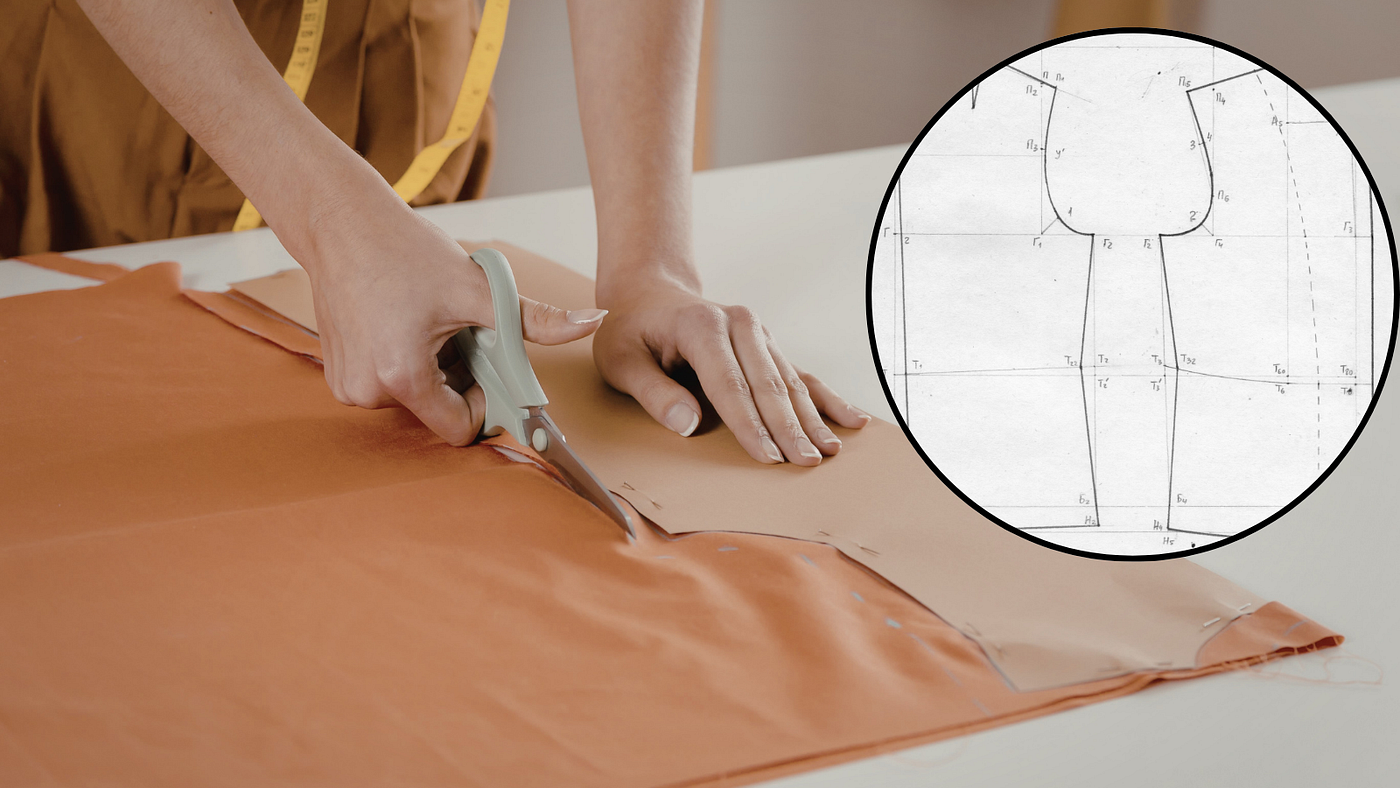
- Cut the pattern pieces
- Use them to cut the fabric
The most important thing is not to rush the printing stage. Most PDF sewing pattern problems start there.
Printing at 100% Made the Biggest Difference
The first thing that really helped was learning to print the pattern at 100% scale or Actual Size.
This matters because sewing patterns must print at the correct size. If the printer shrinks or enlarges the pages even slightly, the finished garment may not fit properly.
Many printers automatically choose settings like:
- Fit to page
- Shrink oversized pages
- Scale to fit
- Fill page
Those settings can change the pattern size.
For PDF sewing patterns, the safer option is usually:
Print at 100% or Actual Size.
Before printing the full pattern, print only the page with the test square. Then measure it carefully with a ruler.
If the test square is correct, continue printing the rest of the pattern.
If the test square is wrong, check the printer settings again before printing all the pages.
This one habit can prevent a lot of wasted paper, fabric, and time.
Checking the Test Square Before Printing Everything
The test square is easy to ignore, but it is one of the most helpful parts of a PDF sewing pattern.
It is usually a small square printed on one of the pattern pages. Its purpose is to confirm that the file is printed at the correct scale.
For example, a pattern may include a square that should measure:
- 2 inches by 2 inches
- or 5 cm by 5 cm
The exact size depends on the pattern.
The key is to measure it after printing.
Do not guess by looking at it. Use a ruler.
If the test square measures correctly, the pattern is printing at the right scale.
If it does not measure correctly, the pattern pieces may be too small or too large.
This step only takes a minute, but it gives much more confidence before moving forward.
Using a Computer Instead of a Phone Made Things Easier
Another thing that helped was opening the pattern file on a computer or laptop instead of trying to manage everything from a phone.
Phones are fine for reading messages or checking a file quickly, but PDF sewing patterns are easier to handle on a larger screen.
A computer makes it easier to:
- See the full file clearly
- Check the printing settings
- Select the right paper size
- Print only the test square page first
- Review the instructions properly
It also reduces the chance of accidentally printing through a mobile app with limited settings.
For beginners, using a computer gives more control and makes the whole process feel less confusing.

Laying Out the Pages Before Taping
After printing, the next part is taping the pages together.
This is where many beginners feel overwhelmed because the printed pages can look like a pile of puzzle pieces.
What helped most was laying everything out before taping anything.
Instead of taping page by page immediately, spread the pages on the floor or a large table first. Look at the page numbers, borders, letters, or matching guides.
Most PDF patterns have some kind of system to show how pages connect.
Before taping, check:
- Page order
- Row order
- Matching marks
- Border lines
- Whether pages need trimming
- Whether the pattern layout image is included
Once the pages are arranged correctly, taping feels much easier.
It also helps to tape in small sections first, then connect the sections together.
Trying to tape everything at once can feel messy, especially with a large pattern.
Not Cutting the Fabric Too Early
One of the most useful lessons was simple:
Do not cut the fabric until you understand the pattern pieces.
It can be tempting to cut right away, especially when you are excited to start sewing. But fabric is less forgiving than paper.
Before cutting fabric, it helps to check:
- Which size do you need
- How many pieces to cut
- Which pieces are cut on the fold
- Whether pieces need to be mirrored
- What fabric direction matters
- Where notches and markings should go
Reading the cutting instructions first can prevent mistakes.
For example, some pieces may need to be placed on folded fabric. Some may need to be cut twice. Some may need interfacing. Some may have markings that should be transferred before removing the pattern paper.
Taking a little time before cutting makes the sewing part much smoother.
Choosing a Simple Pattern First
The first PDF sewing pattern does not need to be complicated.
Actually, it is better if it is not.
A simple beginner friendly pattern helps you learn the PDF process without also trying to manage advanced sewing techniques.
Good first projects might include:
- Simple apron
- Elastic waist skirt
- Tote bag
- Loose beginner top
- Simple pajama shorts
- Basic smock style garment
These projects usually have fewer pattern pieces and simpler construction.
That makes it easier to focus on learning how to print, tape, cut, and follow the instructions.
Once that process feels familiar, more detailed projects become much less intimidating.
Reading the Instructions Before Sewing
After cutting the pattern and fabric, the next helpful habit is reading the instructions before sewing.
Not just the first step.
The whole thing.
You do not need to memorize every detail, but reading through the instructions once gives you a sense of the project flow.
It helps you understand:
- Which pieces are joined first
- When to press seams
- When to finish raw edges
- Where hems happen
- When straps, pockets, or waistbands are attached
- What steps should not be skipped
This makes sewing feel less like guessing.
Beginner friendly instructions are especially helpful because they guide you through the project in a more patient way. When instructions are clear, it becomes easier to trust the process.
Keeping Pattern Pieces Organized
PDF sewing pattern pieces can become confusing if they are spread everywhere.
One small thing that helped was keeping the pieces organized from the beginning.
After cutting the paper pattern pieces, place them in groups.
For example:
- Front pieces
- Back pieces
- Straps
- Pockets
- Waistband pieces
- Facing pieces
- Sleeve pieces
If the project has many sizes printed on the pattern, it also helps to highlight or trace only the size you are using.
That way, your eyes are not constantly jumping between different lines.
Once the fabric is cut, keep the fabric pieces with the matching paper pieces until you are ready to sew. This can prevent confusion later, especially if two pieces look similar.

Accepting That the First Time Will Feel Slower
The first time using a PDF sewing pattern may feel slow.
That does not mean you are doing it wrong.
You are learning several things at once:
- How to print correctly
- How to check the scale
- How to tape pages
- How to read pattern markings
- How to cut fabric
- How to follow instructions
That is a lot for one project.
It is completely normal to pause, reread, measure again, and double check.
The second time usually feels easier. The third time feels even more natural.
PDF sewing patterns become less confusing once the process becomes familiar.
What Helped Most Overall
The biggest thing that helped was slowing down before each stage.
Not rushing the printing.
Not skipping the test square.
Not taping pages without checking the layout.
Not cutting fabric before reading the instructions.
Not expecting the first project to be perfect.
A PDF sewing pattern is much easier when each step is handled calmly and in order.
The process becomes:
Print carefully. Check the scale. Tape patiently. Cut slowly. Sew one step at a time.
That simple approach makes the whole project feel less overwhelming.
Final Thoughts
Using a PDF sewing pattern for the first time can feel confusing, but it becomes much easier when you know what to look for.
The most helpful steps are simple:
- Print at 100% or Actual Size
- Check the test square first
- Use a computer when possible
- Lay out pages before taping
- Read the instructions before cutting fabric
- Choose a simple beginner friendly pattern
- Keep pattern pieces organized
- Go slowly through each stage
You do not need to understand everything perfectly before starting.
You just need a calm process and a simple project that helps you build confidence.
The first PDF pattern may feel like a puzzle, but once you complete it, the next one feels much more familiar. And that is often the moment when sewing from home starts to feel less intimidating and much more enjoyable.
메타데이터
- post_id
- b8f8dd22fb99
- slug
- the-first-time-i-used-a-pdf-sewing-pattern-this-is-what-helped-most-b8f8dd22fb99
- url
- https://medium.com/@muheet_k/the-first-time-i-used-a-pdf-sewing-pattern-this-is-what-helped-most-b8f8dd22fb99
- canonical_url
- https://medium.com/@muheet_k/the-first-time-i-used-a-pdf-sewing-pattern-this-is-what-helped-most-b8f8dd22fb99
- author_url
- https://medium.com/@muheet_k
- status
- ok
- fetched_at
- 2026-06-09 14:34:10