Which rangefinder features actually improve real-world usability, not just marketing specs?
You look at a product page, and suddenly every model is promising longer distance, faster readings, better accuracy, multiple modes, slope…
Which rangefinder features actually improve real-world usability, not just marketing specs?
You look at a product page, and suddenly every model is promising longer distance, faster readings, better accuracy, multiple modes, slope, scan, vibration, magnification, coatings, waterproofing, and some kind of “advanced” targeting system.
Some of those features are useful. Some are only useful for certain people. And some are mostly there because they look good in a comparison chart.
The better question is not “Which rangefinder has the most features?”
It is: which features actually make the rangefinder easier to use in the real world?
That difference matters.
Fast target locking matters more than extreme range
A lot of people focus on maximum range first.
That makes sense on paper. A rangefinder that can measure farther sounds better than one that cannot. But in real use, most people are not ranging clean, reflective targets at the maximum advertised distance.
Golfers are usually measuring flags, hazards, trees, bunkers, or landing zones. Hunters may be ranging animals, brush lines, ridges, or dark objects that do not reflect a laser as cleanly. In both cases, the real value is not just “how far can it reach?”
It is whether the rangefinder can lock onto the target quickly and give a stable reading.
A rangefinder that gives a clean reading in one or two seconds at realistic distances is usually more useful than one with a huge range number that struggles when the target is small, dark, or partially blocked.
A simple display is a real feature
People do not talk enough about the display.
A good rangefinder display should be easy to read without making you think too much. Distance should be clear. Mode indicators should not crowd the screen. The reticle should be visible against different backgrounds.
This becomes important outdoors. A display that looks fine indoors can be harder to read in bright sun, cloudy light, wooded areas, or early morning conditions.
The best display is not always the most “high-tech” looking one. Often, it is the cleanest one.
If the screen gives you the number quickly and gets out of the way, that is good design.
One-hand operation is underrated
A practical rangefinder should be easy to use with one hand.
That sounds obvious, but not every product gets it right. Button placement, grip shape, weight, and balance all affect whether the device feels natural.
For golf, one-hand use matters because you may be holding a club, glove, scorecard, or cart handle. For hunting or outdoor use, you may be holding other gear or trying to stay still.
If you have to adjust your grip every time you press the button, the rangefinder may look good online but feel annoying outside.
A usable rangefinder should let you raise it, range the target, read the result, and lower it without extra steps.
Scan mode is useful when it is actually smooth
Scan mode can be one of the most useful rangefinder features, but only if it works smoothly.
In real use, targets are not always isolated. You may want to check the distance to a tree line, then a bunker, then the flag. Or you may want to scan across a field, trail, fence line, or slope.
A good scan mode lets you hold the button and move across different points while the distance updates quickly. That can save time and reduce second-guessing.
But if the scan mode lags, jumps around, or feels inconsistent, it becomes more of a marketing feature than a practical one.
The quality of execution matters more than the feature name.
Slope compensation is useful, but not always necessary
Slope is one of the most talked-about rangefinder features, especially in golf and hunting.
It can be genuinely helpful. Measuring the straight-line distance is one thing. Understanding how uphill or downhill angle affects the practical distance is another.
For golfers, slope can help with club selection during practice rounds. For hunters, angle compensation can help when shooting from elevated positions or across uneven terrain.
But there are two things to keep in mind.
First, slope is not always legal in tournament golf. If you play events, you may need a model with slope that can be clearly turned off.
Second, slope does not replace judgment. Wind, lie, temperature, target behavior, and user skill still matter.
Slope is useful when it is easy to use, easy to disable, and presented clearly. It is less useful when it makes the device more complicated than it needs to be.
Pin or target confirmation can reduce doubt
For golfers, pin-lock vibration or target confirmation can be very helpful.
The point is not that a small vibration is impressive. The point is confidence.
When you are aiming at a flag with trees behind it, you want to know the rangefinder measured the flag, not the background. A simple confirmation signal can make the reading feel more reliable.
For hunting or general outdoor use, the equivalent is good target priority logic. The rangefinder should help separate the intended target from nearby objects, not leave you guessing.
This is one of those features that sounds small until you use a rangefinder without it.
Magnification should help, not make things shaky
More magnification is not automatically better.
A little magnification helps you aim more precisely, especially at smaller targets. But too much can make the image harder to hold steady, especially with a compact handheld device.
For most real-world users, practical magnification is about balance. You want enough zoom to identify and range the target, but not so much that every small hand movement becomes distracting.
Image clarity also matters here. A lower magnification with a clean image may feel better than higher magnification with poor glass or a dim view.
This is why shoppers should not judge a rangefinder only by the magnification number.
Water resistance matters more than people think
A rangefinder does not need to survive underwater to be useful. But it should be able to handle normal outdoor conditions.
Light rain, wet grass, foggy mornings, dusty bags, and changing temperatures are all common. A rangefinder that only feels safe in perfect weather is not very practical.
Water resistance, sealed buttons, protected ports, and a durable body are not exciting features, but they help the device stay dependable.
This is especially important if you keep your rangefinder in a golf bag, hunting pack, or vehicle where it may get knocked around.
Battery design affects the whole experience
Battery life is not just about the number of measurements listed on a spec sheet.
The real questions are more practical:
Is the battery easy to replace or recharge? Can you carry a spare? Does the device give a clear low-battery warning? Does cold weather drain it quickly? Is the charging port protected?
A rangefinder that dies at the wrong time is useless, no matter how good the optics are.
Simple battery design is often better than fancy battery design. The less you have to think about power, the better.
Size and weight should match the use case
A compact rangefinder is nice, but too small can also be a problem if the grip is awkward or the buttons are hard to press.
A heavier rangefinder may feel more stable, but it can be annoying to carry all day.
The right size depends on how you use it. Golfers often want something light and quick. Hunters may care more about grip, durability, and stability. Outdoor users may want a balance between portability and ruggedness.
A good rangefinder feels like a tool you want to carry, not a gadget you tolerate.
The best feature is often less confusion
This may be the most important point.
A rangefinder should reduce uncertainty. It should not create more of it.
Good usability means:
You know which mode you are in. You can read the distance clearly. You can range the target quickly. You do not need to fight the menu. You trust the result enough to move on.
That is what separates a practical rangefinder from one that only looks good on a spec sheet.
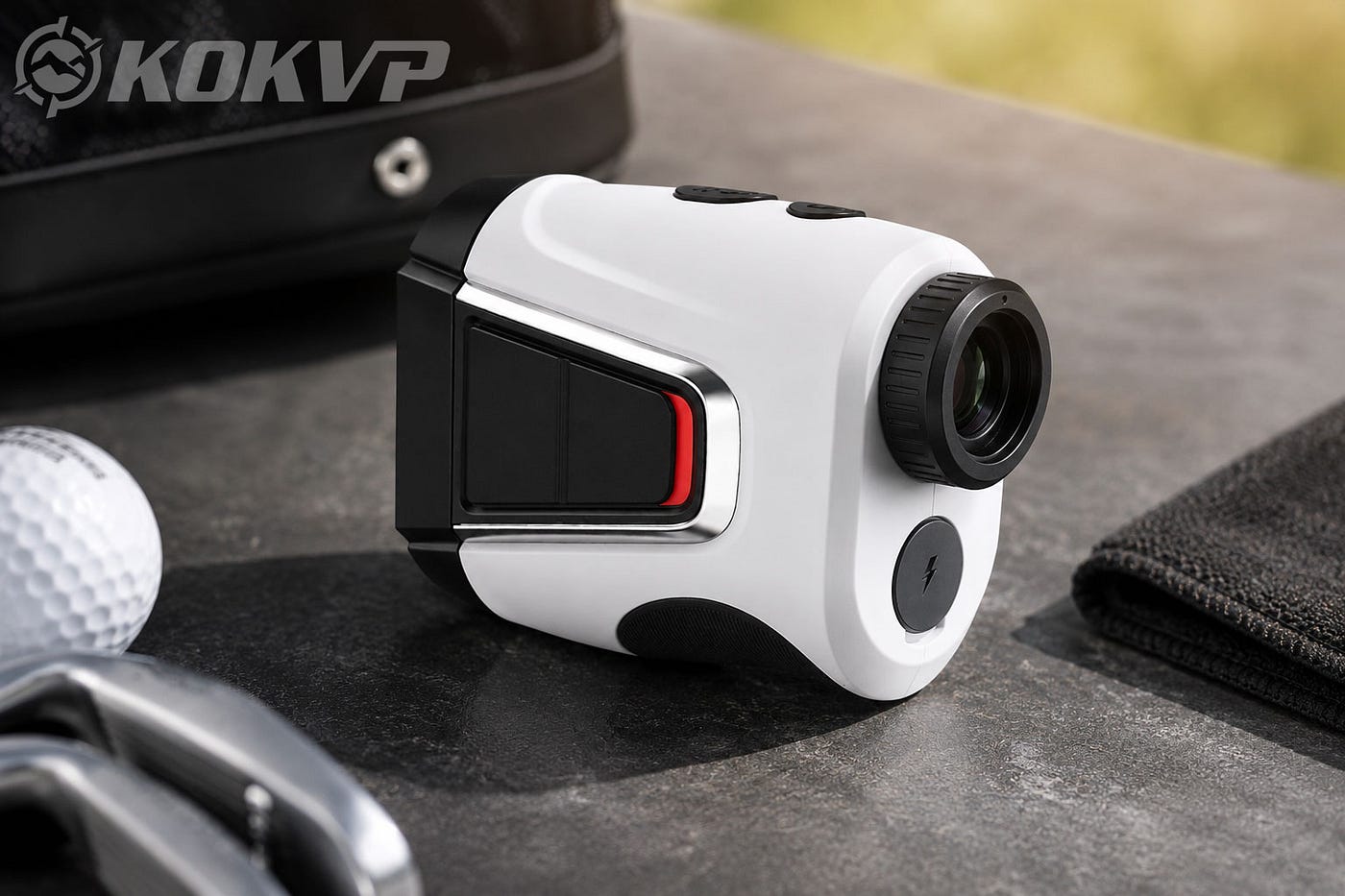
This is also why brands in the outdoor optics space, including **KOKVP**, are worth judging by usability instead of feature count alone. A rangefinder does not become better just because it has more modes. It becomes better when the key features are easy to access, easy to understand, and useful in real conditions.
메타데이터
- post_id
- b90d5bbf11c2
- slug
- which-rangefinder-features-actually-improve-real-world-usability-not-just-marketing-specs-b90d5bbf11c2
- url
- https://medium.com/@poxiaoxi2/which-rangefinder-features-actually-improve-real-world-usability-not-just-marketing-specs-b90d5bbf11c2
- canonical_url
- https://medium.com/@poxiaoxi2/which-rangefinder-features-actually-improve-real-world-usability-not-just-marketing-specs-b90d5bbf11c2
- author_url
- https://medium.com/@poxiaoxi2
- status
- ok
- fetched_at
- 2026-06-11 06:59:45