How to Monitor Air Quality
Why Monitor Air Quality?
How How to Monitor Air Quality
Why Monitor Air Quality?
Monitoring air quality is vital for several reasons:
- Health Protection: Poor air quality can cause respiratory problems, cardiovascular diseases, and other health issues. By monitoring air quality, we can take preventative measures to protect our health.
- Environmental Awareness: Understanding the levels of pollutants in the air helps raise awareness about environmental issues and the need for pollution control.
- Policy Making: Accurate air quality data aids governments and organizations in creating effective policies to reduce pollution and improve public health.
- Personal Safety: For individuals with respiratory conditions like asthma, monitoring air quality can help them avoid outdoor activities during high pollution periods.
Key Pollutants to Monitor
Several pollutants are commonly monitored to assess air quality:
- Particulate Matter (PM10 and PM2.5): Tiny particles suspended in the air, which can penetrate deep into the lungs and bloodstream.
- Nitrogen Dioxide (NO2): A gas produced by burning fossil fuels, particularly from vehicles and power plants.
- Sulfur Dioxide (SO2): Emitted from industrial processes and fossil fuel combustion.
- Carbon Monoxide (CO): A colorless, odorless gas produced by incomplete combustion of fossil fuels.
- Ozone (O3): A gas formed when pollutants react in sunlight, harmful at ground level.
- Volatile Organic Compounds (VOCs): A group of chemicals that turn to gas when emitted in the air. Released by a wide variety of consumer, industrial, and institutional products, they can be harmful to human health.
Methods of Monitoring Air Quality
1. Government Monitoring Stations
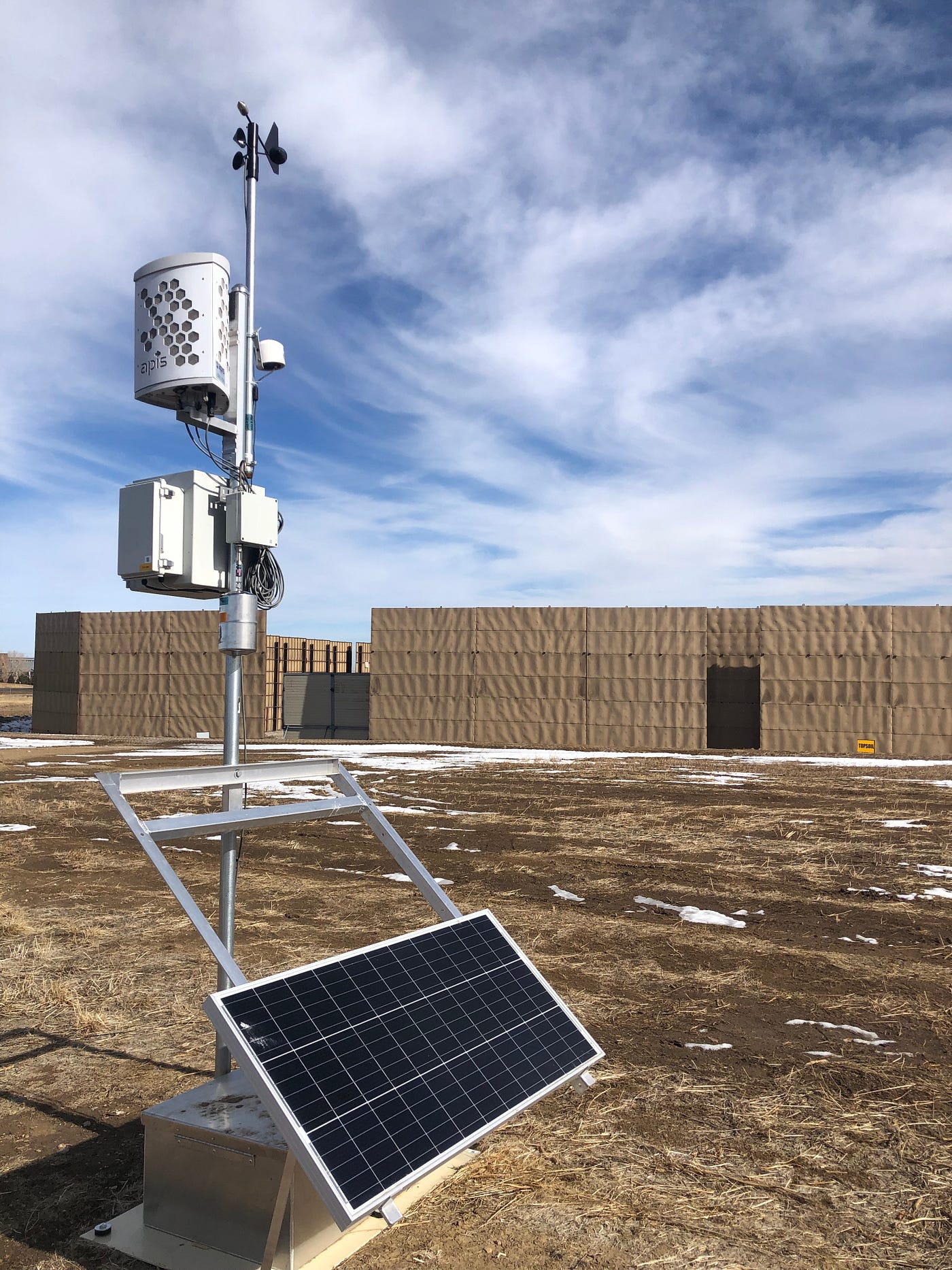
Government agencies typically set up fixed monitoring stations in urban and rural areas. These stations use sophisticated instruments to measure various pollutants and provide real-time data. Examples include the Environmental Protection Agency (EPA) in the United States and similar organizations worldwide.
2. Mobile Monitoring
Mobile monitoring involves using vehicles equipped with air quality sensors to measure pollution levels across different areas. This method helps identify pollution hotspots and provides data over a larger geographic area.
3. Satellite Monitoring
Satellites equipped with remote sensing technology can monitor air quality on a global scale. They provide valuable data on large-scale pollution patterns and trends. Agencies like NASA use satellites to track air quality from space.
4. Personal Air Quality Monitors
Portable air quality monitors are available for personal use, allowing individuals to measure air quality in their immediate surroundings. These devices are handy for people with health conditions or those who want to stay informed about their local air quality.
5. Citizen Science Projects
Citizen science initiatives encourage individuals to contribute to air quality monitoring. Participants use low-cost sensors to collect data, which is then aggregated and analyzed by researchers. These projects help expand air quality monitoring coverage and engage the public in environmental issues.
Tools and Technologies for Monitoring Air Quality
Several tools and technologies can help you monitor air quality:
- Air Quality Index (AQI): A numerical scale used to communicate how polluted the air currently is or how polluted it is forecast to become. Various apps and websites provide AQI data based on government monitoring stations.
- Portable Air Quality Monitors: Devices like the AirVisual Pro, PurpleAir, and Atmotube provide real-time measurements of pollutants such as PM2.5, CO2, and VOCs (volatile organic compounds).
- Smartphone Apps: Apps like Plume Labs’ Air Report, AirVisual, and BreezoMeter offer real-time air quality data and forecasts based on your location.
- Online Resources: Websites like AirNow, IQAir, and local government portals provide comprehensive air quality information and resources.
How You Can Contribute
- Stay Informed: Use the tools and resources mentioned above to stay updated on air quality in your area.
- Reduce Personal Emissions: Limit the use of fossil fuels by opting for public transportation, carpooling, biking, or walking. Reduce energy consumption at home.
- Participate in Citizen Science: Join local or global citizen science projects to help collect valuable air quality data.
메타데이터
- post_id
- b96156d9f35f
- slug
- how-to-monitor-air-quality-b96156d9f35f
- url
- https://medium.com/@morgan.frazier_94237/how-to-monitor-air-quality-b96156d9f35f
- canonical_url
- https://medium.com/@morgan.frazier_94237/how-to-monitor-air-quality-b96156d9f35f
- author_url
- https://medium.com/@morgan.frazier_94237
- status
- ok
- fetched_at
- 2026-07-07 09:05:48