15 Sleep Rules That Actually Changed My Life
For years, I treated sleep like a negotiable expense. Five hours? Fine. Six on a good night? Luxury. I wore sleep deprivation like a badge…
15 Sleep Rules That Actually Changed My Life
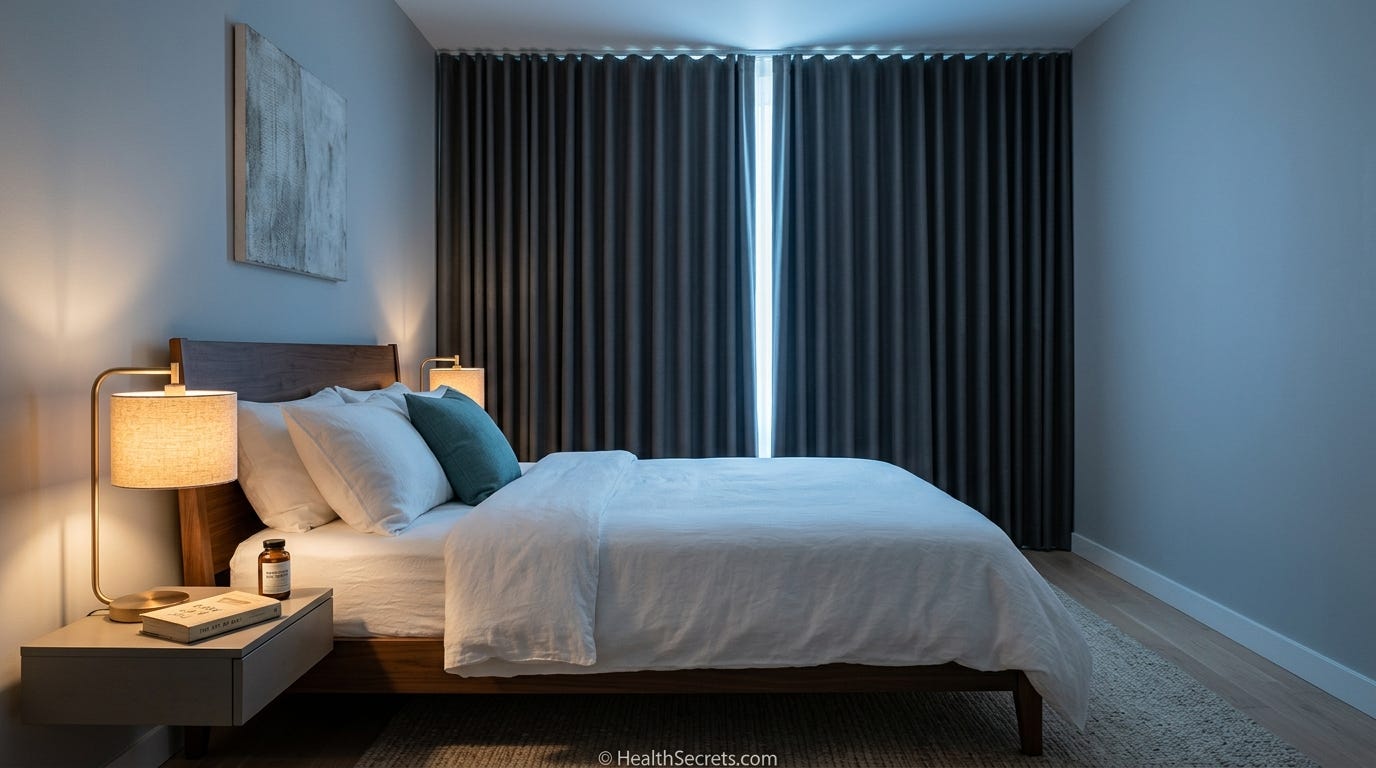
For years, I treated sleep like a negotiable expense. Five hours? Fine. Six on a good night? Luxury. I wore sleep deprivation like a badge. Then I turned 35, and the bill came due — brain fog every afternoon, getting sick every other month, anxiety from nowhere, a cortisol belly I couldn’t exercise away.
So I read the clinical literature on evidence-based sleep hygiene — not generic “put your phone down” advice, but the actual studies. What I found convinced me to rebuild my nighttime routine from scratch. Fourteen months later, I sleep 7.5 hours consistently, fall asleep in under 15 minutes, and haven’t hit snooze once. Here are the 15 rules — each backed by research.
Key Takeaways
- Consistent timing matters more than total hours — irregular schedules create “social jet lag” that fragments deep sleep [1]
- 10–30 minutes of morning sunlight is the #1 circadian rhythm regulator — more powerful than any supplement [2]
- Room temperature of 60–67°F (15–19°C) is optimal — your core temp must drop 1–2°F to initiate sleep [4]
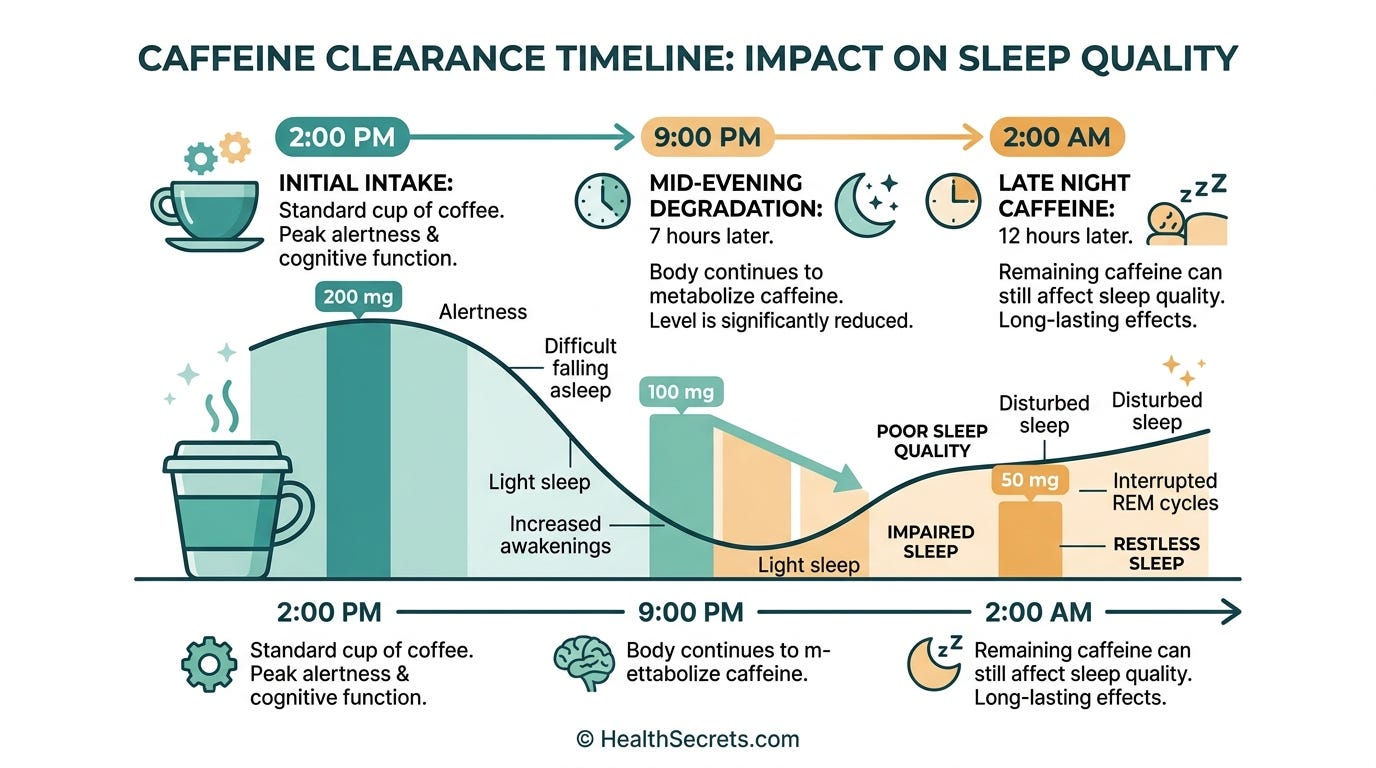
- Caffeine has a 5–7 hour half-life — a 2 PM coffee still has 50% active at 9 PM [5]
- Alcohol destroys sleep architecture despite feeling sedative — it fragments REM and causes rebound awakenings [6]
- Magnesium glycinate (300–400mg before bed) is the most evidence-supported sleep supplement [8]
Does Sleep Timing Matter More Than Duration?
Irregular sleep schedules disrupt circadian rhythm more than moderate sleep restriction. A consistent sleep-wake cycle strengthens your internal clock, optimizing melatonin release, cortisol timing, and every sleep stage [1].
Going to bed at the same time on Saturday as Tuesday felt punishing at first. Within two weeks, I was falling asleep faster, sleeping deeper, and waking without an alarm. Your circadian rhythm thrives on regularity — sleeping in on weekends creates “social jet lag,” the equivalent of flying across time zones every weekend.
Choose a bedtime and wake time. Stick to it within 30 minutes, every day. Set a wind-down alarm 45 minutes before bed.
How Does Light Exposure Control Your Sleep?
Morning sunlight (10–30 minutes within an hour of waking) suppresses melatonin, triggers cortisol release, and sets a 14–16 hour timer until your next natural sleep onset [2]. I started a 15-minute walk every morning before checking my phone — impact noticeable within a week.
The flip side: dim your environment 2–3 hours before bed. Blue light from screens suppresses melatonin for 1–3 hours after exposure [3]. I switched to warm amber lighting after 8 PM and moved my phone charger to the kitchen.
What Temperature Should Your Bedroom Be?
60–67°F (15–19°C) — your core body temperature must drop 1–2°F to initiate sleep onset. Research consistently shows overheated environments increase wakefulness and fragment sleep architecture [4].
Dropping from 72°F to 65°F with a fan was one of the simplest changes with the biggest impact. Cold feet? Wearing socks paradoxically helps — they promote vasodilation, which speeds core temperature drop.
Why Is a 2 PM Caffeine Cutoff Critical?
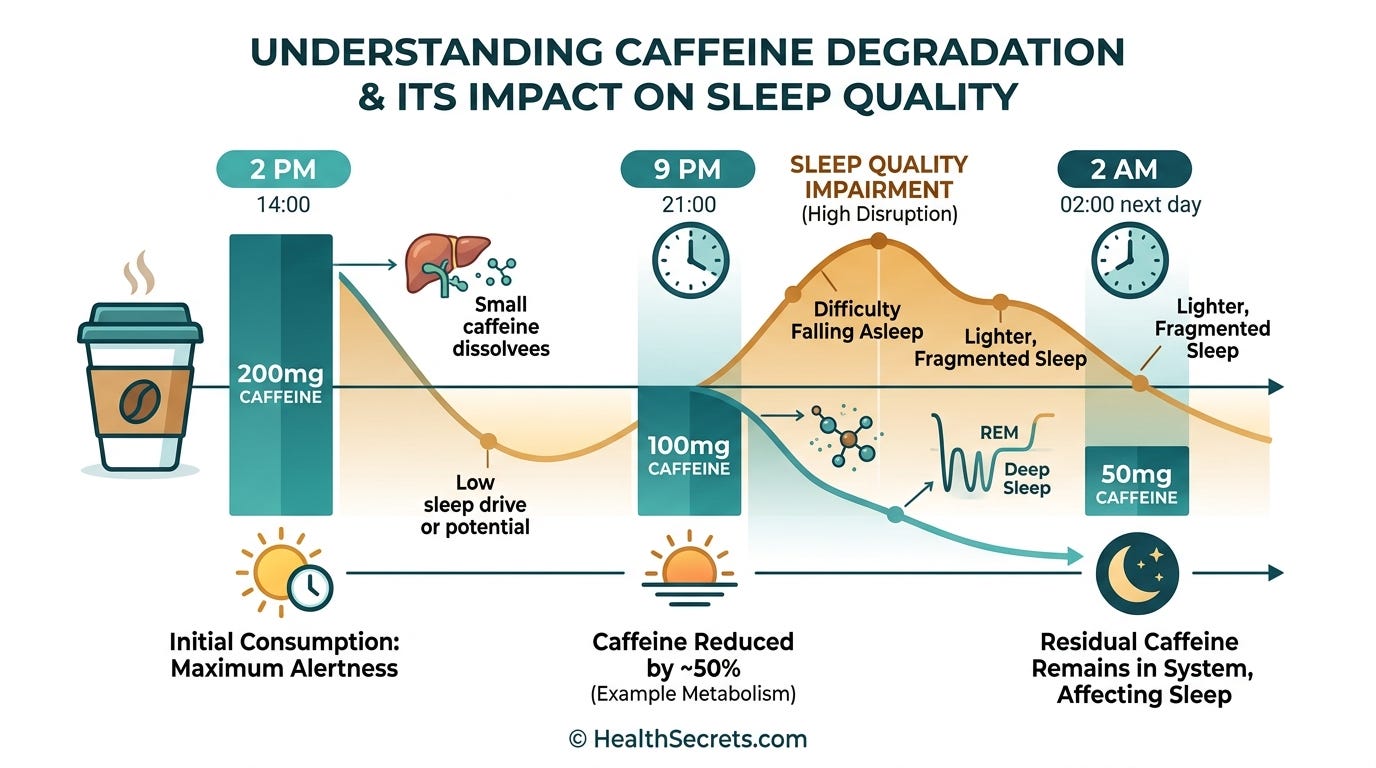
Caffeine’s 5–7 hour half-life means a 200mg coffee at 2 PM still leaves 100mg at 9 PM and 50mg at 2 AM. Even when you can “fall asleep,” studies show afternoon caffeine reduces deep sleep by 15–20% without your awareness [5].
Giving up my 3 PM espresso felt impossible. After two weeks of noon cutoff (I’m a slow metabolizer), deep sleep jumped from 11% to 18% on my tracker. The morning alertness difference was unmistakable.
Caffeine blocks adenosine receptors — it doesn’t eliminate sleep pressure, it masks it. Replace afternoon coffee with herbal tea, sparkling water, or a short walk.
Does Alcohol Actually Ruin Sleep?
Despite its sedative effect, alcohol fragments sleep architecture, suppresses REM in the first half of the night, causes rebound awakenings in the second half, and worsens sleep apnea [6].
A glass of wine “to relax” before bed? My sleep tracker told a different story: more awakenings, less REM, worse HRV. No alcohol within 3–4 hours of bedtime.
What’s the Best Wind-Down Routine?
A consistent 30–60 minute pre-sleep routine conditions your nervous system to transition from sympathetic to parasympathetic dominance, which studies link to faster sleep onset [7].
My routine: 9:15 PM alarm → close laptop → dim lights → brush teeth → read paper book 20–30 minutes → lights out at 10 PM.
Pick 2–3 wind-down activities:
- Reading (paper book, not backlit screen)
- Gentle stretching or yoga
- Journaling or brain dump
- 4–7–8 breathing exercises
- Warm bath or shower (subsequent temperature drop mimics natural pre-sleep cooling)
Which Supplements Actually Help Sleep?
Magnesium glycinate (300–400mg before bed) is the most evidence-supported — it activates GABA-A receptors, supports melatonin production, and improves sleep quality in multiple RCTs [8].
Beyond magnesium:
- Glycine: 3g before bed — improves subjective sleep quality and reduces next-day fatigue [9]
- L-theanine: 200mg — promotes relaxation without sedation
- Melatonin: 0.3–1mg only (not 5–10mg) — for circadian rhythm issues, not as a sedative
- Tart cherry juice: Contains natural melatonin and anti-inflammatory compounds
For the complete 15-rule protocol with implementation guides, bedroom optimization checklist, and a 4-week sleep transformation plan — check out the full sleep hygiene guide on Health Secrets.
For the complete science-backed sleep protocol, visit the full sleep hygiene guide on Health Secrets.com.
You might also enjoy
- Brain Fog Is Real — Here’s What’s Causing It and How to Fix It — Sleep deprivation is the #1 brain fog trigger
More from Health Secrets
Sleep Hygiene Score Card — Interactive Notion self-assessment for your current sleep habits
Frequently Asked Questions
How long does it take to fix a broken sleep schedule?
Most people notice improvements within 1–2 weeks of consistent timing, light exposure, and caffeine cutoffs. Full circadian recalibration takes 2–4 weeks. Your body clock adjusts gradually [1].
Is 6 hours of sleep enough if I feel fine?
Almost certainly not. People chronically sleeping 6 hours develop cognitive impairments equivalent to 2 days of total sleep deprivation — but stop noticing because they’ve adapted to their impaired baseline. Adults need 7–9 hours [10].
Does melatonin work for insomnia?
Melatonin works for circadian rhythm issues (jet lag, delayed sleep phase) at low doses (0.3–1mg), but it’s not a sedative. Most OTC doses (5–10mg) are far too high and cause grogginess. Sleep hygiene fundamentals are more effective for general insomnia.
Can naps ruin nighttime sleep?
Long or late naps reduce sleep drive. If you nap, keep it under 20 minutes and before 2 PM to preserve enough adenosine for nighttime sleep.
Are screens before bed really that bad?
Yes — blue light (460–480nm) suppresses melatonin for 1–3 hours after exposure. But stimulating content (news, social media, work emails) also activates your stress response regardless of light. A 1–2 hour screen cutoff before bed is ideal [3].
What if I can only exercise in the evening?
Evening exercise is still better than none. Finish vigorous exercise 3+ hours before bed. Gentle activities like yoga, stretching, or walking are fine close to bedtime. Individual variation exists.
References
- Phillips, A.J.K. et al. “Irregular sleep/wake patterns and academic performance.” Sci Rep, 2017. https://doi.org/10.1038/s41598-017-03171-4
-
- Blume, C. et al. “Effects of light on circadian rhythms, sleep and mood.” Somnologie, 2019. https://doi.org/10.1007/s11818-019-00215-x
-
- Chang, A.M. et al. “Evening use of light-emitting eReaders affects sleep and circadian timing.” PNAS, 2015. https://doi.org/10.1073/pnas.1418490112
-
- Okamoto-Mizuno, K. & Mizuno, K. “Effects of thermal environment on sleep.” J Physiol Anthropol, 2012. https://doi.org/10.1186/1880-6805-31-14
-
- Drake, C. et al. “Caffeine Effects on Sleep Taken 0, 3, or 6 Hours before Bed.” J Clin Sleep Med, 2013. https://doi.org/10.5664/jcsm.3170
-
- Ebrahim, I.O. et al. “Alcohol and Sleep I: Effects on Normal Sleep.” Alcohol Clin Exp Res, 2013. https://doi.org/10.1111/acer.12006
-
- Irish, L.A. et al. “The role of sleep hygiene in promoting public health.” Sleep Med Rev, 2015. https://doi.org/10.1016/j.smrv.2014.10.001
-
- Abbasi, B. et al. “Magnesium supplementation and primary insomnia in elderly.” J Res Med Sci, 2012. https://pmc.ncbi.nlm.nih.gov/articles/PMC3703169/
-
- Bannai, M. et al. “Glycine effects on subjective daytime performance.” Front Neurol, 2012. https://doi.org/10.3389/fneur.2012.00061
-
- Van Dongen, H.P.A. et al. “The Cumulative Cost of Additional Wakefulness.” Sleep, 2003. https://doi.org/10.1093/sleep/26.2.117
- This article is for informational purposes only and doesn’t replace professional medical advice.
메타데이터
- post_id
- b974a693742a
- slug
- 15-sleep-rules-that-actually-changed-my-life-b974a693742a
- url
- https://medium.com/healthsecrets/15-sleep-rules-that-actually-changed-my-life-b974a693742a
- canonical_url
- https://medium.com/healthsecrets/15-sleep-rules-that-actually-changed-my-life-b974a693742a
- author_url
- https://medium.com/@healthsecrets
- status
- ok
- fetched_at
- 2026-06-12 07:40:50