Why Next.js Is the Best Framework for Modern Web Development
Every year, new JavaScript frameworks promise to revolutionize web development. Yet one framework continues to dominate conversations among…
Why Next.js Is the Best Framework for Modern Web Development
Every year, new JavaScript frameworks promise to revolutionize web development. Yet one framework continues to dominate conversations among startups, enterprises, and solo developers alike: Next.js.
Built on top of React, Next.js combines performance, scalability, and developer experience into a single framework that helps teams ship faster without sacrificing quality.
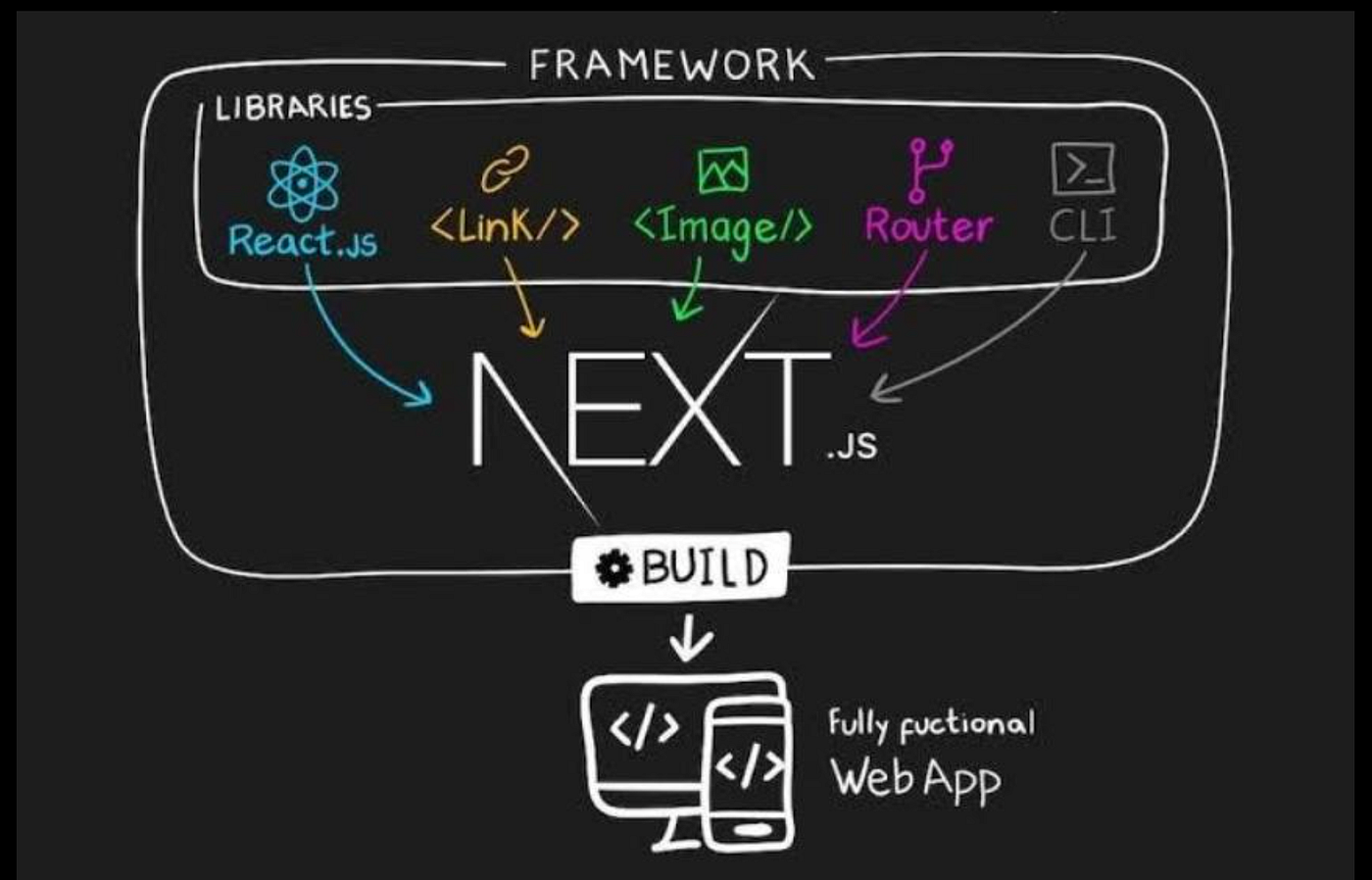
1. Multiple Rendering Strategies in One Framework
One of Next.js’s biggest strengths is flexibility.
Instead of forcing a single rendering approach, it supports:
- Static Site Generation (SSG)
- Server-Side Rendering (SSR)
- Incremental Static Regeneration (ISR)
- React Server Components
This means you can optimize each page based on its needs, balancing speed, SEO, and real-time data.
2. Simple File-Based Routing
Creating routes is as easy as creating files.
app/
  page.tsx
  about/page.tsx
  blog/[slug]/page.tsx
No extra router configuration is required, making projects easier to maintain and scale.
3. Built-In Backend Capabilities
With API Routes and Route Handlers, Next.js lets you build backend functionality directly inside your application.
This reduces infrastructure complexity and allows frontend and backend code to live in the same project.
4. Performance by Default
Next.js includes:
- Automatic code splitting
- Image optimization
- Font optimization
- Script loading controls
These features help improve Core Web Vitals without requiring extensive manual optimization.
5. Excellent TypeScript Support
TypeScript works out of the box with minimal configuration.
Developers benefit from better autocomplete, safer refactoring, and improved code quality across large applications.
6. Flexible Deployment Options
Although Next.js is created by Vercel, it isn’t tied to a single platform.
You can deploy it on:
- Vercel
- AWS
- Google Cloud
- Docker
- Netlify
- Railway
- Render
This flexibility makes it suitable for projects of all sizes.
7. Massive Ecosystem and Community
Next.js benefits from React’s enormous ecosystem and has integrations for popular tools such as:
- Tailwind CSS
- Prisma
- Stripe
- Clerk
- Sanity
The large community means solutions, tutorials, and support are always easy to find.
8. Trusted by Industry Leaders
Many well-known companies use Next.js for production workloads, demonstrating its ability to scale and support demanding applications.

Final Thoughts
Next.js has evolved from a React framework into a complete platform for modern web development.
Its combination of performance, flexibility, scalability, and developer experience makes it one of the strongest choices for building web applications in 2026.
If you’re starting a new React project today, Next.js deserves to be at the top of your list.
NextJS #React #WebDevelopment #JavaScript #Frontend #Programming
메타데이터
- post_id
- b982bd832e37
- slug
- why-next-js-is-the-best-framework-for-modern-web-development-b982bd832e37
- url
- https://medium.com/@chawlachand/why-next-js-is-the-best-framework-for-modern-web-development-b982bd832e37
- canonical_url
- https://medium.com/@chawlachand/why-next-js-is-the-best-framework-for-modern-web-development-b982bd832e37
- author_url
- https://medium.com/@chawlachand
- status
- ok
- fetched_at
- 2026-08-01 11:27:04




