Milon hobe koto dine?
This is a Bengali folk song from the Baul tradition, and the interpretation shared here is my personal perspective. The song delves into…

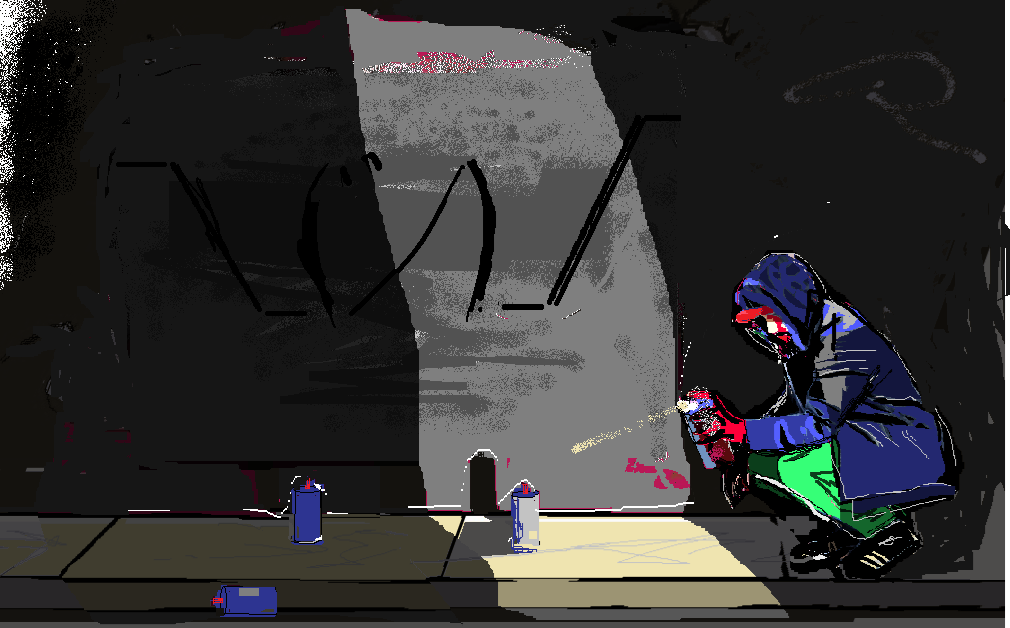
Image source: Google (This is not my artwork)
Milon hobe koto dine?
This is a Bengali folk song from the Baul tradition, and the interpretation shared here is my personal perspective. The song delves into the depths of human emotions and spiritual longing, beautifully blending the themes of love, devotion, and self-realization. At its heart, the song asks an eternal question: “Milon hobe koto dine?” — “When will the union happen?” This question reflects all kinds of longing, whether it is the soul yearning to connect with the divine or the heart aching for its beloved. The “Moner Manush” (the soul’s beloved) symbolizes the ultimate goal of love and devotion, which can be interpreted as the divine, the self, or a loved one, depending on the listener’s perspective.
The song’s imagery adds depth to this longing. The line, “Megher bidyut meghe jemon, lukale na paye anweson” (Just as lightning cannot remain hidden within clouds), symbolizes the inevitability of truth and connection. No matter how difficult the union seems, it cannot stay hidden forever, just like lightning eventually reveals itself in the dark clouds. This reflects the Baul philosophy that the divine or ultimate truth is not external but lies within, and the path to it requires continuous searching and self-discovery.
In the line, “Aami hobo bole chorono dashi” (I wish to become a servant at their feet), the song expresses deep humility and the desire to surrender. It reflects the Baul tradition of devotion, where love is not about possession but complete self-abandonment. The beloved, whether divine or human, is revered. This surrender is not a sign of weakness but of strength — the courage to give oneself fully to love and devotion.
The song also challenges societal norms and judgments, as seen in the line, “Jokhon oi roop shoron hoy, thakena loko lojjar voy” (When that form appears, there is no fear of shame). True love, the song says, rises above fear, shame, and social constraints. It exists in a realm beyond judgment, where the lover and beloved are united in purity and truth. This reflects the Baul philosophy of rejecting worldly illusions and embracing authenticity, whether in spiritual practice or human relationships.
Ultimately, this song is about the journey from separation to union. It portrays life as a continuous quest, where love becomes both the destination and the path. It teaches that longing itself is sacred, as it leads the seeker toward self-realization, devotion, and truth. The song captures the essence of Baul philosophy — seeing love as the highest form of worship, union as ultimate liberation, and recognizing that the beloved, whether divine or human, resides not outside but within. Through its poetic beauty and deep symbolism, it transcends time and culture, resonating with the universal human experience of love and longing.
메타데이터
- post_id
- b9916b66ea83
- slug
- milon-hobe-koto-dine-b9916b66ea83
- url
- https://medium.com/@imarpanmukherjee/milon-hobe-koto-dine-b9916b66ea83
- canonical_url
- https://medium.com/@imarpanmukherjee/milon-hobe-koto-dine-b9916b66ea83
- author_url
- https://medium.com/@imarpanmukherjee
- status
- ok
- fetched_at
- 2026-07-16 05:39:09