How Malaysian Businesses Can Prepare for Changing Consumer Expectations
The Future of Packaging: How Malaysian Businesses Can Prepare for Changing Consumer Expectations
Understanding the Shifting Landscape
Malaysian consumers in 2026 hold dramatically different expectations about packaging compared to just five years ago. The convergence of environmental awareness, e-commerce growth, and social media influence has transformed packaging from a purely functional necessity into a critical brand touchpoint that influences purchasing decisions and customer loyalty.
Research from Malaysian universities indicates that 78% of urban consumers now consider packaging quality and environmental impact when evaluating brands. This isn’t merely abstract concern — consumers actively choose sellers based on packaging practices and share their unboxing experiences across social media platforms. A well-packaged delivery generates positive word-of-mouth marketing, while poor packaging creates negative impressions that spread quickly through digital channels.
This shift creates both challenges and opportunities for Malaysian businesses. Companies that view packaging purely as a cost center risk falling behind competitors who recognize its strategic value. Forward-thinking businesses are reimagining packaging as an investment in customer experience, brand differentiation, and operational efficiency.
The Environmental Imperative
Environmental sustainability has moved from niche concern to mainstream expectation among Malaysian consumers. Government initiatives promoting circular economy principles and reducing single-use plastics reinforce this trend. Businesses can no longer treat environmental responsibility as optional — it’s becoming a baseline requirement for market participation.
However, sustainability means more than simply switching materials. True environmental responsibility requires examining the entire packaging lifecycle. A material that appears “green” based on composition might generate significant environmental impact through inefficient production, excessive transportation weight, or complicated disposal requirements.
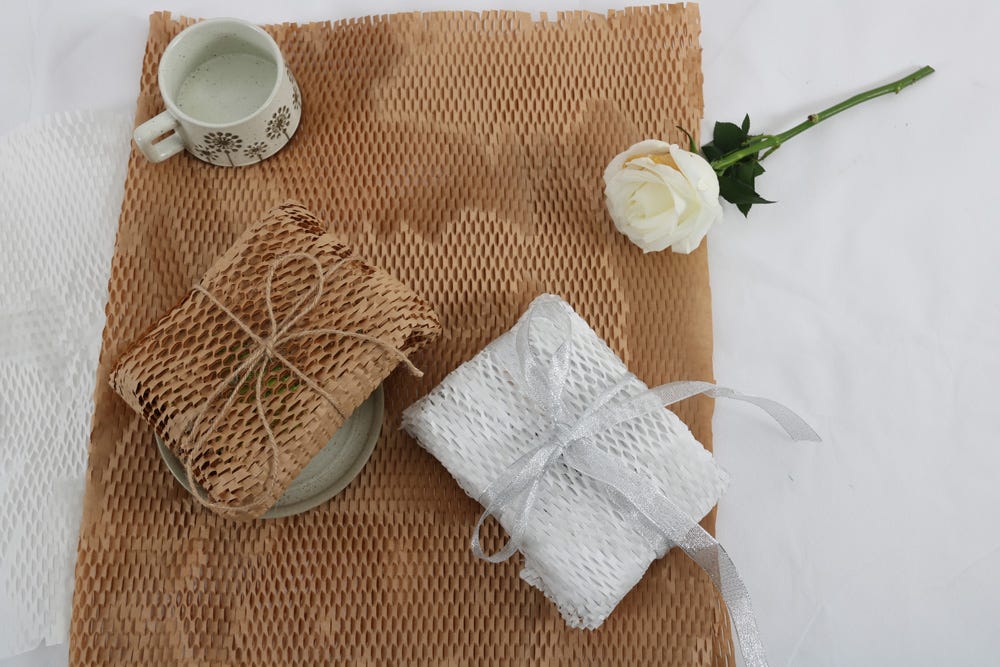
Recyclability represents the most straightforward sustainability criterion for Malaysian businesses. Materials that integrate into existing recycling infrastructure allow consumers to dispose of packaging responsibly without special effort. Paper-based packaging excels in this regard, as Malaysia’s recycling systems readily process paper products. Consumers understand how to recycle paper, and the material actually gets recycled rather than ending up in landfills despite good intentions.
Material efficiency contributes to sustainability through reduced consumption. Packaging systems that produce protection on-demand eliminate waste from pre-manufactured materials that become damaged or obsolete in storage. This efficiency reduces total material usage while improving protection quality — a rare case where environmental and business interests perfectly align.
Biodegradable options attract attention but require careful evaluation. Some biodegradable materials need industrial composting facilities that don’t exist widely in Malaysia. Others degrade only under specific conditions unlikely to occur in typical disposal scenarios. Businesses should understand these nuances rather than assuming “biodegradable” automatically means environmentally superior.
The Unboxing Experience as Marketing
Social media has transformed package opening from a private moment into potential public content. Malaysian consumers, particularly younger demographics, frequently photograph or video their unboxing experiences and share them across platforms like Instagram, TikTok, and Facebook. This user-generated content influences purchasing decisions among their followers and friends.
Smart businesses recognize this phenomenon and design packaging experiences that encourage positive sharing. This doesn’t require expensive custom packaging — it means ensuring products arrive in pristine condition, using clean and professional-looking materials, and eliminating the frustration of excessive or difficult-to-remove packaging.
The protection quality becomes part of the brand story. When customers receive perfectly protected products wrapped in thoughtful packaging, they perceive the seller as professional and caring. This perception translates into positive reviews, repeat purchases, and recommendations to others. Conversely, products arriving damaged or wrapped in excessive, wasteful packaging generate negative impressions that spread through social networks.
Technology Integration and Automation
Malaysian businesses increasingly face labor challenges as e-commerce volumes grow. Finding, training, and retaining skilled packing staff becomes difficult, particularly during peak seasons. Technology-enabled packaging systems address this challenge by reducing the skill level required for quality packing while increasing speed and consistency.
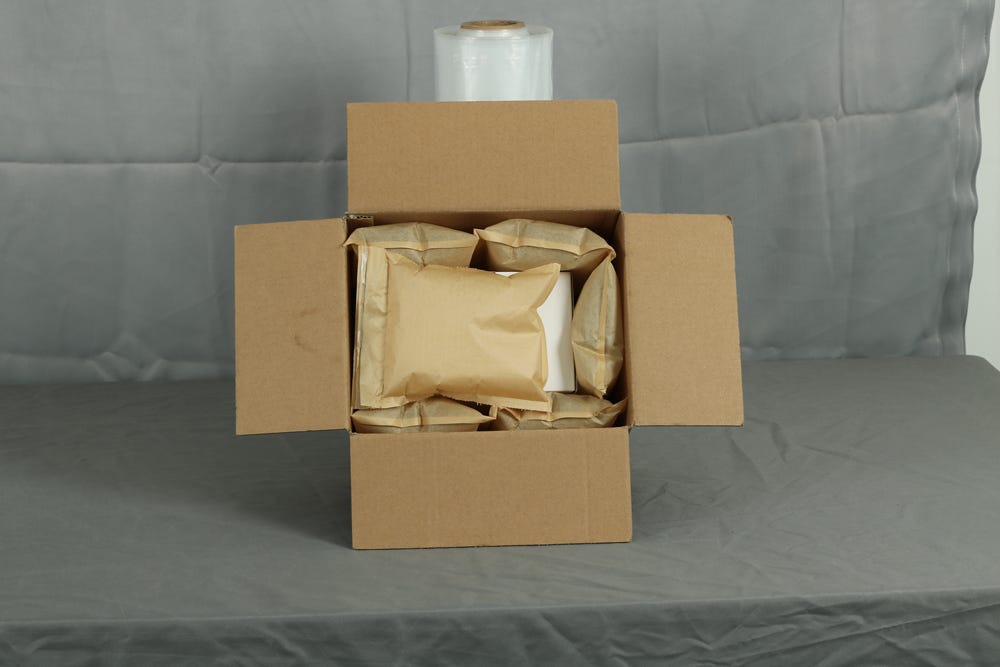
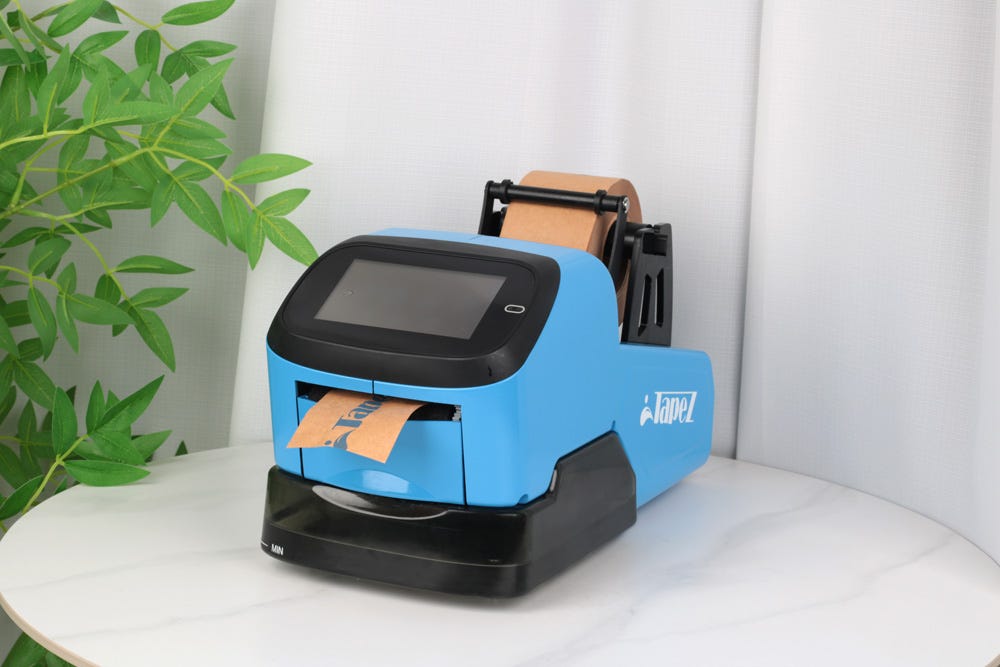
Automated production systems create protective packaging on-demand without requiring manual cutting, sizing, or forming. Packers simply activate production for the needed cushion size, receive properly formed protection, and apply it to shipments. This automation eliminates variability in protection quality that occurs when different staff members use different techniques with manual materials.
Integrated solutions that combine materials and equipment streamline operations by reducing the number of separate tools and supplies packers must manage. Rather than coordinating bubble wrap, tape, scissors, and various void fill materials, integrated systems provide complete protection through unified workflows. This simplification accelerates training for new staff and reduces errors during busy periods.
Smart systems that adapt to different product requirements throughout the day maximize versatility without increasing complexity. A single system producing multiple cushion formats eliminates the need to stock and manage various specialized materials. This adaptability proves particularly valuable for businesses with diverse product catalogs where packaging needs vary significantly between items.
Balancing Cost and Quality
A common misconception suggests that improving packaging quality necessarily increases costs. While premium materials and custom solutions do cost more, many packaging improvements actually reduce total costs through decreased damage rates, improved storage efficiency, and labor savings.
The key insight is evaluating total cost of ownership rather than focusing narrowly on material prices. A packaging system with higher upfront investment might deliver lower per-package costs when accounting for storage space savings, reduced damage claims, and faster packing speeds. These operational benefits often exceed material cost differences within months of implementation.
Storage efficiency generates measurable savings for Malaysian businesses operating in expensive urban locations. Packaging materials that occupy 70–80% less space than traditional alternatives directly reduce warehouse rental costs. This space can house additional inventory, supporting business growth without facility expansion.
Damage prevention saves money through multiple channels. Direct replacement costs represent only part of the equation. Reduced damage also means fewer customer service interactions, less time spent processing returns, lower shipping expenses for replacements, and improved seller ratings that support higher conversion rates. These combined benefits typically exceed the cost of better protective packaging.
Labor efficiency impacts profitability through increased throughput and reduced training requirements. Packaging systems that accelerate packing while maintaining quality allow businesses to process more orders with existing staff. During peak seasons, this efficiency prevents the need for temporary labor that requires training and supervision.
Preparing for Future Regulations
Malaysian regulatory trends point toward increasing requirements for packaging sustainability and waste reduction. While current regulations remain relatively flexible, forward-thinking businesses should anticipate stricter standards in coming years. Proactive adaptation positions companies favorably for future compliance while building positive brand perception today.
Extended Producer Responsibility (EPR) frameworks, already implemented in various forms across Southeast Asia, may expand in Malaysia. These policies make businesses responsible for packaging disposal and recycling, creating financial incentives for sustainable choices. Companies adopting recyclable materials and efficient systems now will face easier transitions as regulations evolve.
Consumer protection standards may also tighten around packaging adequacy and product protection. Businesses demonstrating commitment to proper protective packaging through systematic approaches and quality materials will find compliance easier than those relying on minimal or inconsistent protection methods.
Taking Action Today
Malaysian businesses don’t need to overhaul their entire packaging operations immediately. Successful transformation happens through strategic, incremental improvements focused on high-impact areas. Start by identifying which products generate the most damage claims or customer complaints. These problem categories become your initial focus for packaging upgrades.
Research available solutions thoroughly, considering both immediate needs and future scalability. Test materials and systems with your actual products under realistic conditions before full implementation. Measure results carefully, tracking damage rates, customer feedback, and operational metrics. Use this data to refine approaches and expand improvements to additional product categories.
Engage your team in the transformation process. Educate staff about why packaging quality matters and how improvements benefit both customers and the business. Celebrate successes and learn from setbacks. Building a culture that values protection quality creates sustainable improvements rather than temporary compliance.
The Path Forward
The future of packaging in Malaysia combines environmental responsibility, customer experience excellence, and operational efficiency. These aren’t competing goals — they’re increasingly aligned objectives that successful businesses pursue simultaneously. Companies that recognize packaging as a strategic investment rather than a pure cost will differentiate themselves in competitive markets.
The technology, materials, and knowledge needed for packaging excellence are more accessible than ever to Malaysian businesses of all sizes. The barriers to entry have lowered dramatically, making professional-grade protection and sustainable practices achievable for small operations and large enterprises alike.
For businesses ready to embrace the future of packaging, Malaysia’s growing ecosystem of innovative suppliers and solution providers offers comprehensive support. Research your options, understand your specific needs, and choose partners committed to both practical business success and forward-thinking sustainability. The investment you make in packaging today positions your business for success in tomorrow’s evolving marketplace.
메타데이터
- post_id
- b99658c30279
- slug
- how-malaysian-businesses-can-prepare-for-changing-consumer-expectations-b99658c30279
- url
- https://medium.com/@amesonmy/how-malaysian-businesses-can-prepare-for-changing-consumer-expectations-b99658c30279
- canonical_url
- https://medium.com/@amesonmy/how-malaysian-businesses-can-prepare-for-changing-consumer-expectations-b99658c30279
- author_url
- https://medium.com/@amesonmy
- status
- ok
- fetched_at
- 2026-06-17 08:20:12