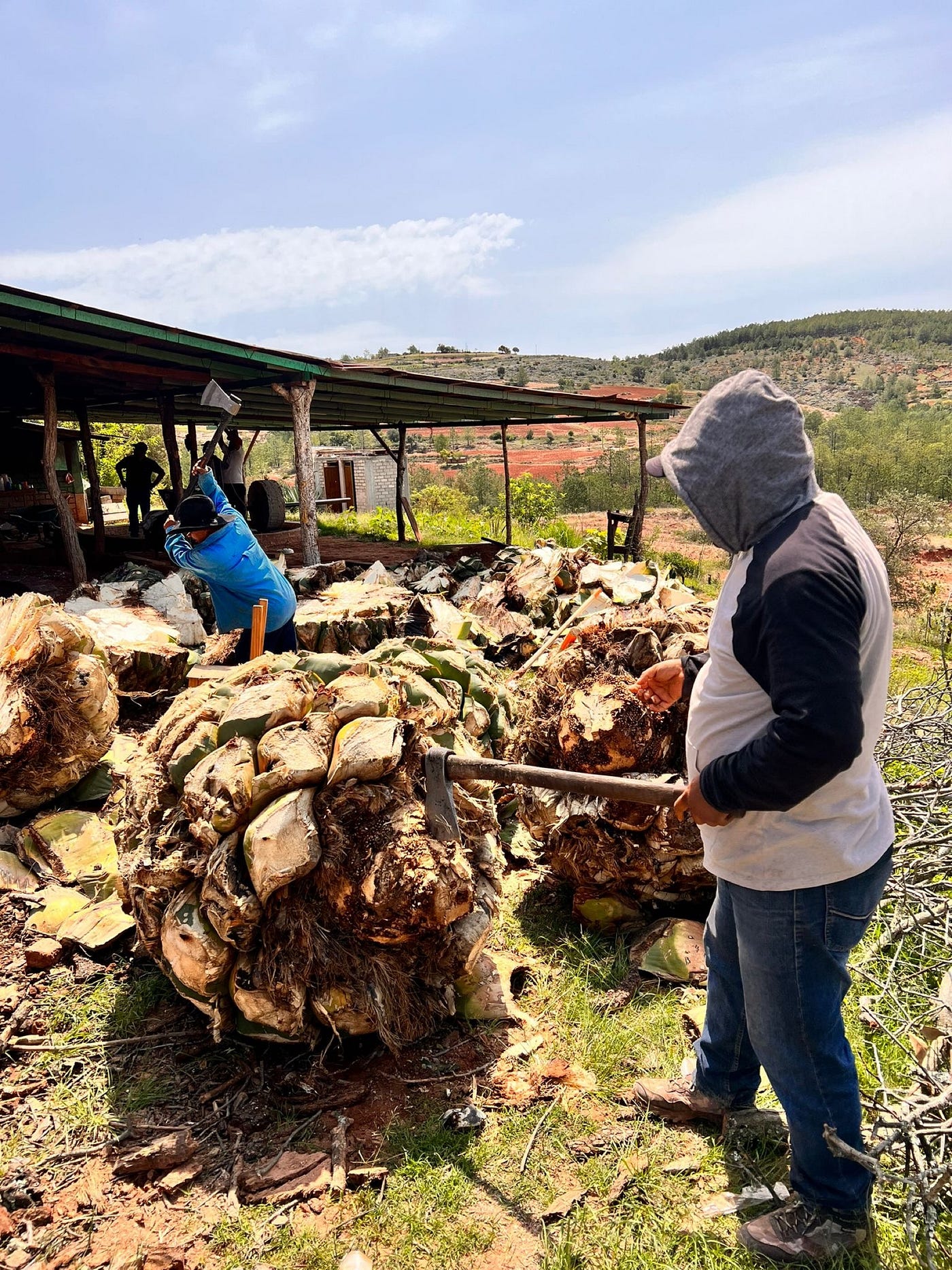
Why Water Matters in Sake and Mezcal
A short note before the deeper field report
Why Water Matters in Sake and Mezcal
A short note before the deeper field report
When people talk about sake, they often talk about rice.
When people talk about mezcal, they often talk about agave.
That is natural. Rice and agave are visible. They appear on labels, in tasting notes, in the stories told by brewers, distillers, importers, bartenders, and drinkers.
But behind both drinks, there is another material that rarely receives the same attention.
Water.
In sake, water is everywhere. It washes the rice. It soaks the rice. It becomes part of the mash. It shapes fermentation. It remains in the finished liquid.
In mezcal, water enters the story differently. It may come through fermentation, dilution, proofing, or the local conditions surrounding the palenque. Sometimes, the most interesting question is not only what water adds, but what happens when agave itself carries so much of the liquid memory.
Water does not shout on a label.
It does not have the romance of Yamada Nishiki or Tobalá. It does not look dramatic in a photograph. It does not burn like fire, smoke like roasted agave, or shine like polished rice.
But water is one of the quiet forces behind flavor.
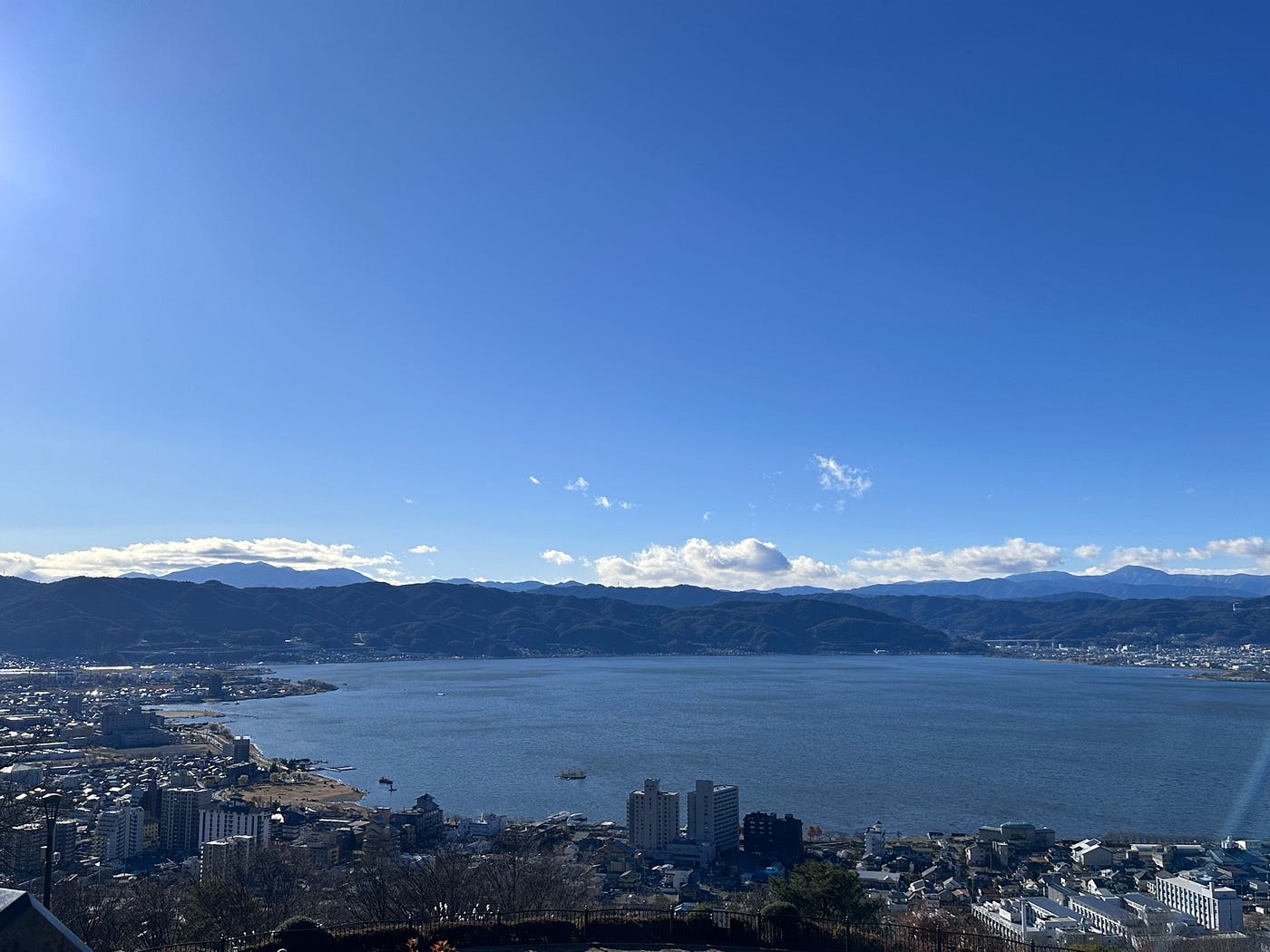
In Japan, the difference between soft water and harder brewing water has shaped regional sake styles. Some waters encourage active fermentation. Others lead brewers toward slower, more delicate expressions. A sake brewery is not only working with rice and koji. It is also working with the personality of its water.
In Oaxaca, water belongs to a different landscape. Dry mountains, limestone, volcanic soil, wells, rivers, and seasonal scarcity all become part of the background. Mezcal is often described through smoke, earth, herbs, fruit, and cooked agave. But beneath those words, there is also geology.
This is why I think water should be treated as terroir.
Not as a romantic slogan. Not as a marketing word.
As a practical question.
What minerals are present?
How does the water affect fermentation?
How does the producer control it, respect it, adjust it, or avoid changing it too much?
What happens when modern technology removes the local character of water and rebuilds it from zero?
These questions matter for bartenders and spirits professionals.
Because when we understand water, we understand why two drinks made from the same category of raw material can feel completely different in the glass.
A sake can be sharp, dry, and structured.
Another can feel soft, round, and almost floating.
A mezcal can taste mineral, green, and tense.
Another can feel dense, floral, oily, and wild.
The difference is not only rice.
It is not only agave.
It is not only yeast, koji, smoke, or distillation.
Sometimes, the invisible ingredient is the one drawing the outline.
In the next field report, I will look more closely at water and minerals in sake and mezcal. We will move from Japan’s brewing water to Oaxaca’s geological landscape, from soft water to mineral structure, from traditional wells to modern designed water.
Because to understand fermentation, we cannot only look at what grows above the ground.
We also have to look at what flows beneath it.
메타데이터
- post_id
- b9c1d051dd6d
- slug
- why-water-matters-in-sake-and-mezcal-b9c1d051dd6d
- url
- https://medium.com/@n80827/why-water-matters-in-sake-and-mezcal-b9c1d051dd6d
- canonical_url
- https://medium.com/@n80827/why-water-matters-in-sake-and-mezcal-b9c1d051dd6d
- author_url
- https://medium.com/@n80827
- status
- ok
- fetched_at
- 2026-07-11 20:10:18