What Vikings Teach Us About Marketing
Iceland, Greenland, and the Quest for Influence
What Vikings Teach Us About Marketing
Iceland, Greenland, and the Quest for Influence
It’s summer, and you’re planning a trip to one of the Nordic countries. You plan to visit an active volcano, stand in awe at thundering cascading waterfalls, and end the day with a well-deserved soak in one of the world’s most famous geothermal spas, set against the lush green landscapes of the island.
The country on your mind isn’t Greenland; it’s Iceland.
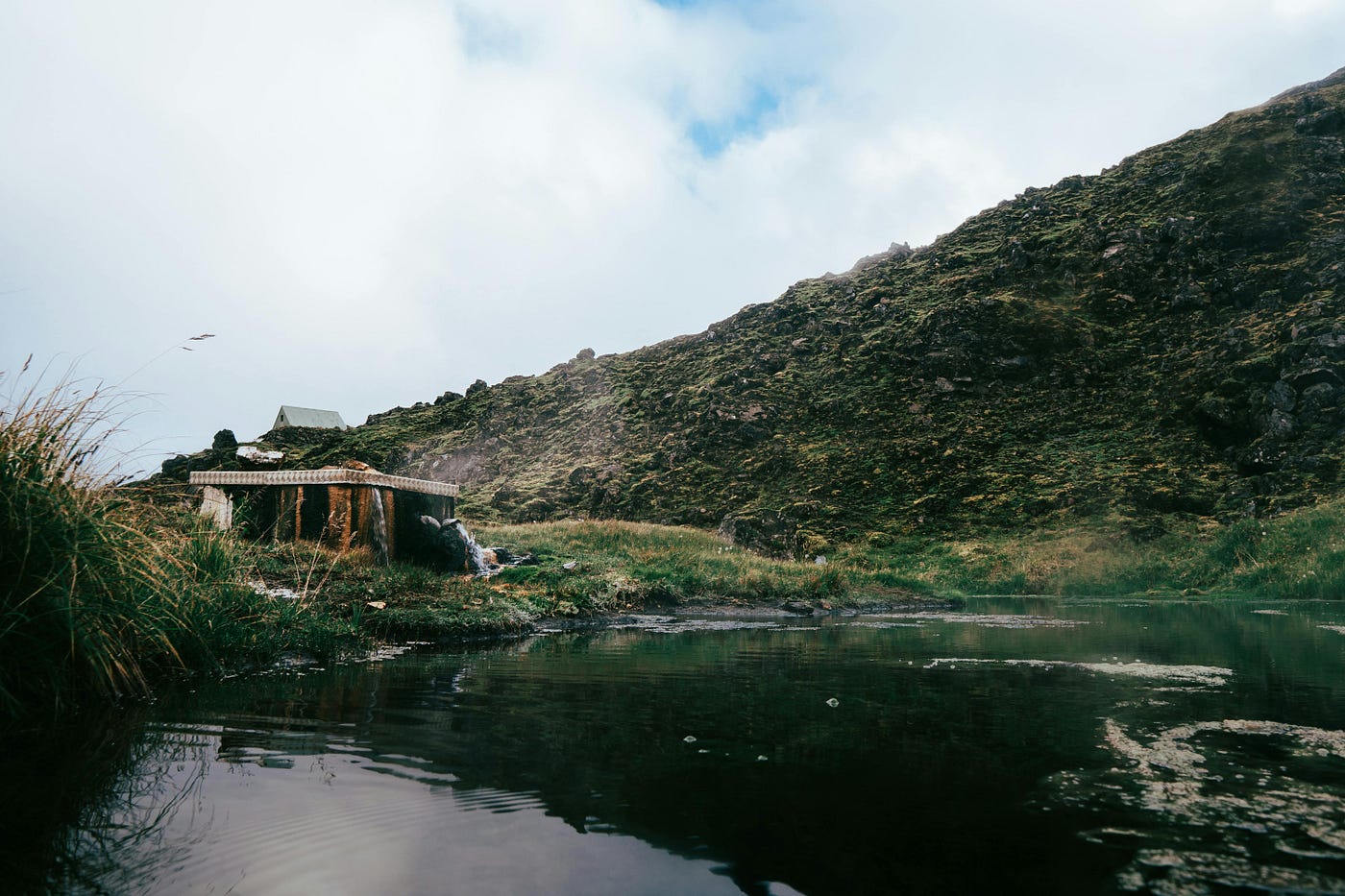
Iceland: Geothermal spas, volcanoes, and an identity crisis (Source: Artūras Kokorevas on Pexels)
On the other hand, you’re Christopher Nolan, and you’re tasked with shooting a sci-fi space movie named Interstellar. Some of the scenes in the movie include a cold, desolate planet devoid of any life, much like the icy planet of Hoth from the Star Wars franchise. Due to obvious financial constraints (Legendary Pictures would never bankroll your interplanetary dreams, duh!), you decide to find a location on Earth that perfectly mimics this habitat.
This time, the country on your mind isn’t Iceland; it's Greenland.
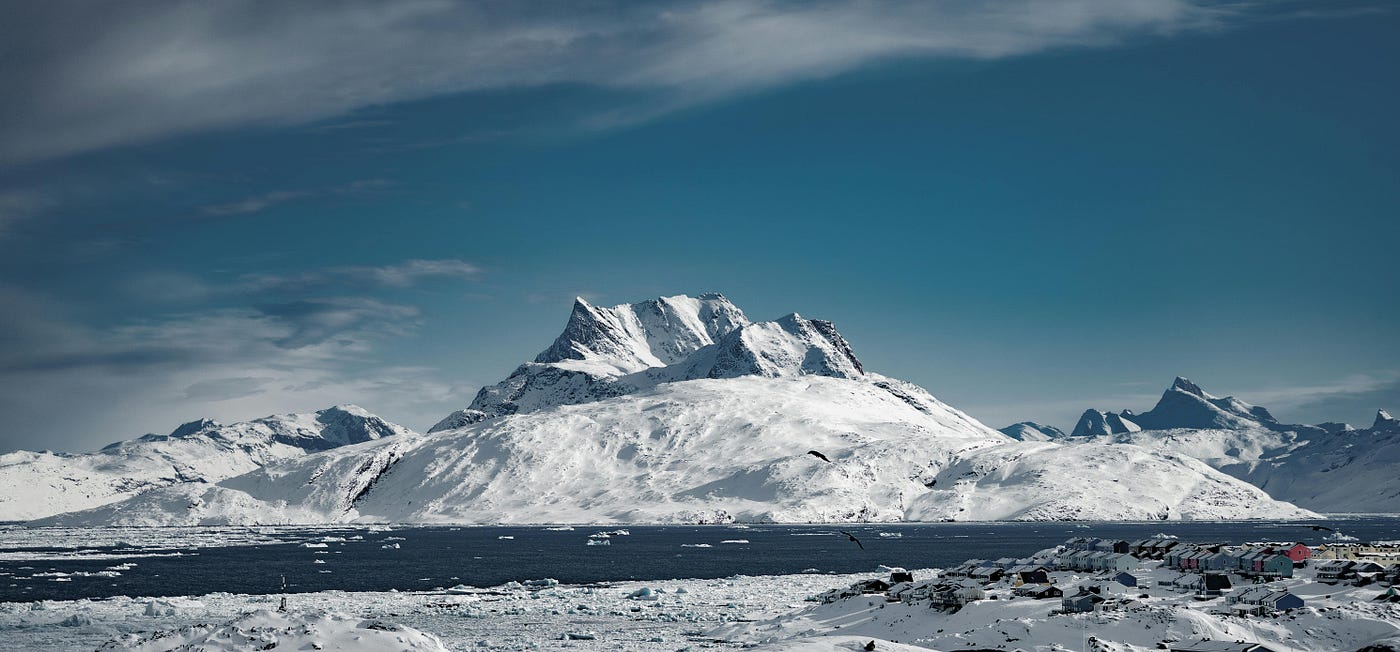
Greenland: Less “lush paradise” and more like a Rebel Alliance outpost from Star Wars (Source: Peter Platou)
So why is Iceland, a country known for its beautiful landscapes and hot springs, called Iceland, while an island that is nearly 80% covered in glaciers and ice is called Greenland?
The contrasting nature between these two countries and their landscapes has stumped people for centuries. Their story of origin, however, might offer some answers and insights into how it isn’t a random mix-up of the names, but rather a brilliantly calculated marketing move by the Vikings.
The Land of Fire and Ice
In the 9th century, Norwegian Vikings were the first to reach the shores of what we now call Iceland. Because they arrived during the winter, the landscape was dominated by snow and ice.
The common practice among explorers at that time was to name a newly discovered place after the first thing they encountered there.
Hence, naturally, the Viking explorers named it Iceland.
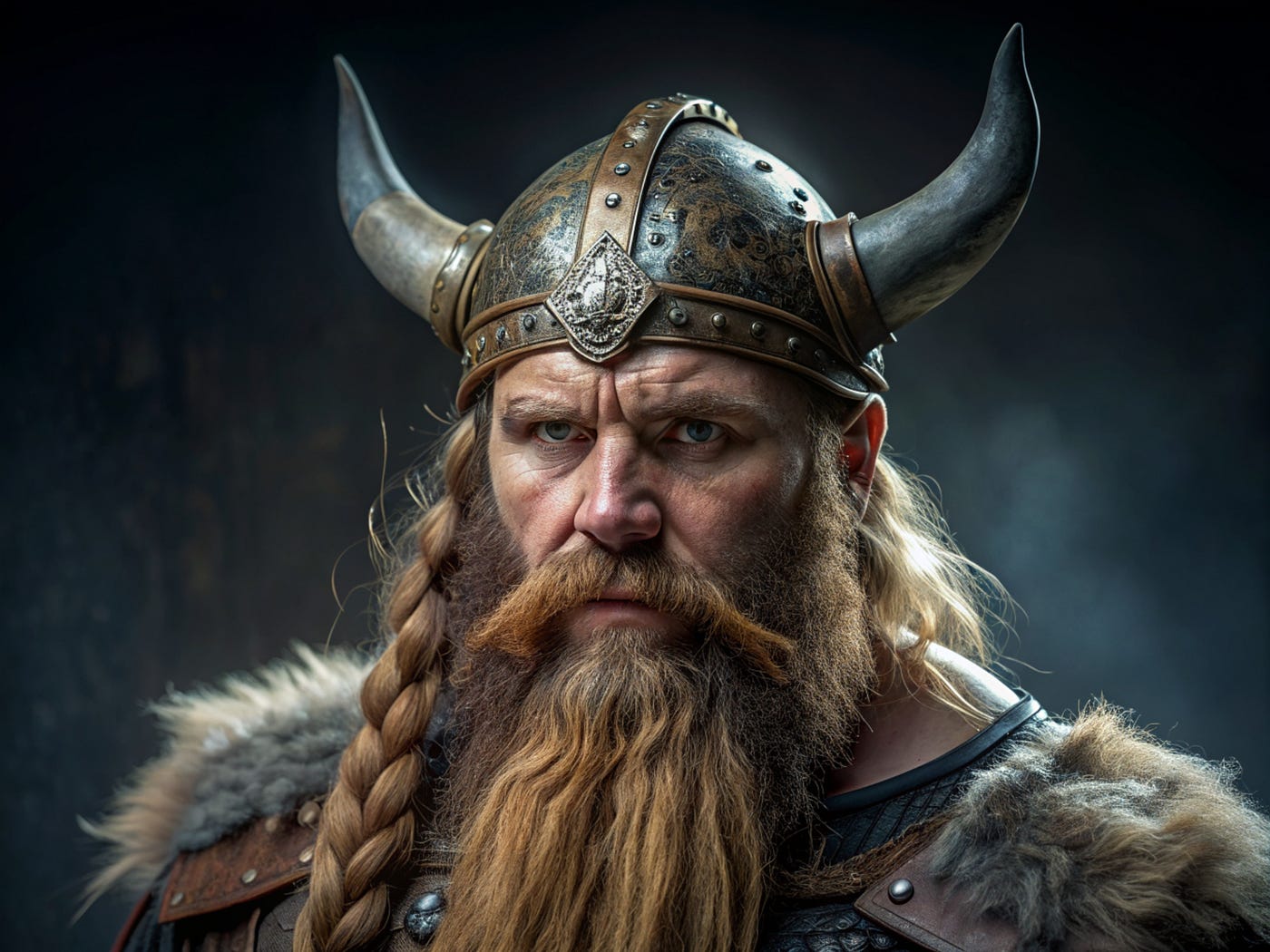
Depiction of a Viking warrior (Source: martins2018 on Pixabay)
Fun fact: The same was applied across centuries and is responsible for the names of some of the world’s finest cities and countries. For example, Argentina, or “Land of Silver”, was named by Portuguese explorers who first encountered indigenous people wearing silver ornaments. Florida, or La Florida in Spanish, translates to “Land of the Flowers” and was named by the explorer Juan Ponce de León, who landed on the peninsula during the Easter season, to a vibrant, lush landscape in full bloom.
The Vikings made Iceland an integral part of their territory and began thriving on the island. The population of the island grew multiplefold, and settlements expanded rapidly across the habitable regions.
Around this time lived a Viking named Erik the Red. With a nickname originating from both the color of his beard and his notorious temper, Erik the Red was banished from Iceland for three years because of his inability to stop murdering his neighbors.
With nowhere left to go in Norway or Iceland, Erik remembered stories of a land further west seen by sailors decades earlier. That’s where he sailed and set foot on the cold, frozen wasteland.
After scouring the island during the three years of his exile, Erik the Red realized that this massive land was almost entirely covered in ice and snow, with only the deep fjords of the southwest (long, narrow inlets between cliffs) being relatively lush and suitable for cattle farming.
The Marketing Masterstroke
When his exile ended in 985 AD, Erik returned to Iceland to recruit settlers. Knowing that “Ice-Island” sounded bleak, he dubbed the new territory Grønland (Greenland).
His argument? Optics were everything. People would be far more inclined towards settling in a place if it had a “good name”.
Rightly enough, his trick worked.
In 986 AD, Erik the Red led a fleet of 25 ships from Iceland, set to sail westward.
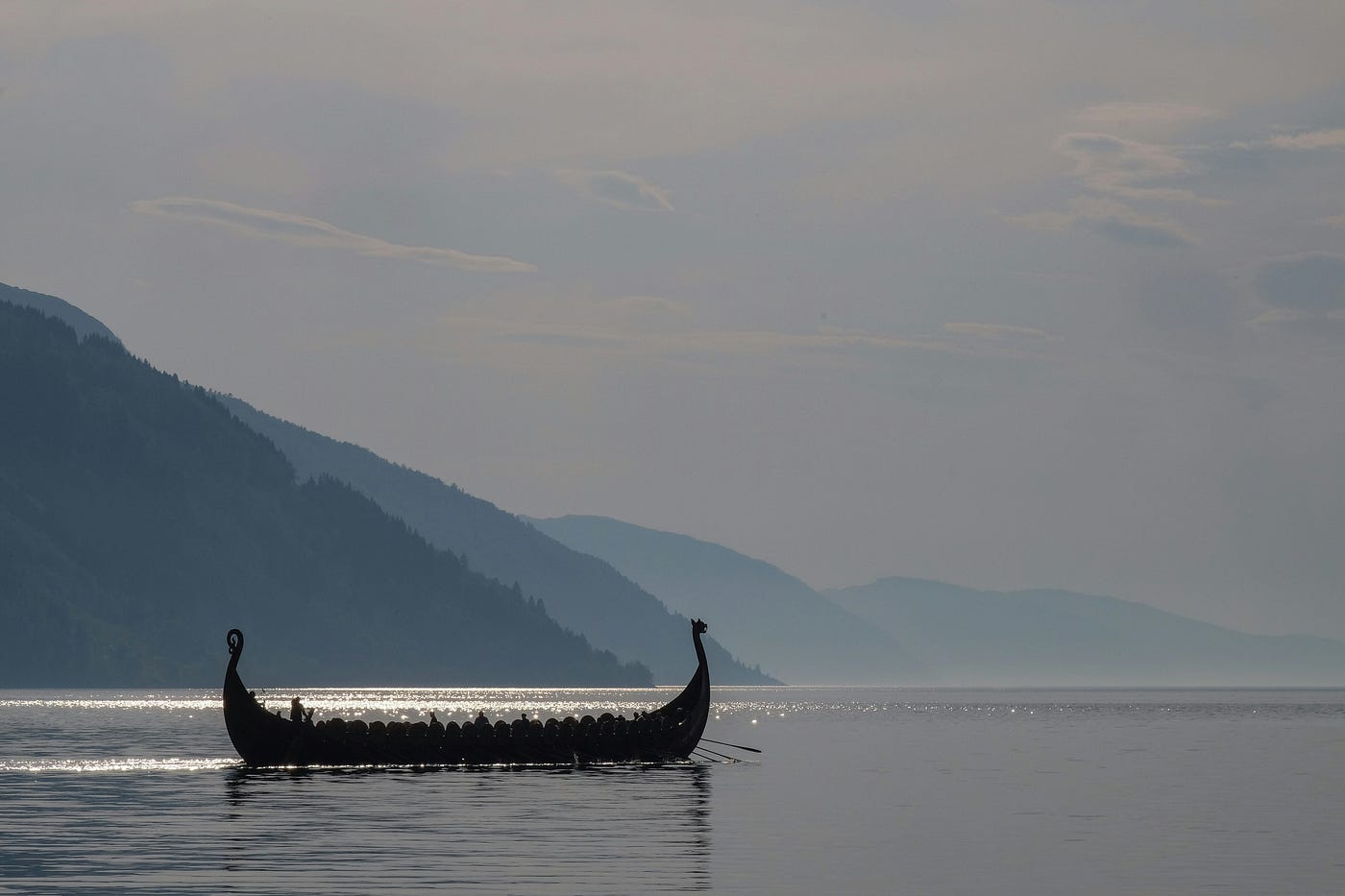
When a good name was enough for people to cross the ocean (Source: Steinar Engeland on Unsplash)
Although only 14 ships survived the treacherous voyage, they did eventually set foot on the icy landscapes of Greenland and established the Eastern and Western Settlements.
As for Erik the Red, he lived a comfortable life thereafter. Having named himself the “Paramount Chieftain” of the land, he lived in high status for the rest of his life on his sprawling estate nestled amongst the fjords.
The stories we tell
The story of Iceland and Greenland is less about geography and more about perception.

Every great conquest begins with a convincing narrative (Source: JoelFazhari on Pixabay)
Erik the Red understood a truth modern marketing runs on: people respond to how things are framed, not just what they are.
A frozen land became appealing simply because it sounded inviting. Just as the man who ate his company’s canned dog food in front of an audience to prove its quality, belief often outweighs reality.
Leaving behind a legacy as a man who was too violent for the established world, he simply went out and founded a new one.
Erik didn’t just discover Greenland; he sold it.
And in doing so, he left behind one of the earliest and most brilliant examples of marketing: sometimes, the story you tell matters far more than the place itself.
메타데이터
- post_id
- ba22737fe5dc
- slug
- what-vikings-teach-us-about-marketing-ba22737fe5dc
- url
- https://medium.com/@pranavbayari3107/what-vikings-teach-us-about-marketing-ba22737fe5dc
- canonical_url
- https://medium.com/@pranavbayari3107/what-vikings-teach-us-about-marketing-ba22737fe5dc
- author_url
- https://medium.com/@pranavbayari3107
- status
- ok
- fetched_at
- 2026-06-09 15:37:30




