LED Film Screen Technology: Features, Advantages, Applications, and Future Trends
As architectural design and digital communication continue to merge, traditional display solutions are no longer enough. Modern commercial…
LED Film Screen Technology: Features, Advantages, Applications, and Future Trends
As architectural design and digital communication continue to merge, traditional display solutions are no longer enough. Modern commercial spaces demand screens that are visually powerful, lightweight, and seamlessly integrated into their environment. This is where LED film screen technology is rapidly gaining attention.
From transparent storefronts to glass façades and creative installations, LED film screens are redefining how brands communicate visually without blocking light or space. In this article, we explore the key features, advantages, applications, and emerging trends of LED film screens — and explain why Cinstar Display is a trusted partner in this evolving display segment.
What Is an LED Film Screen?
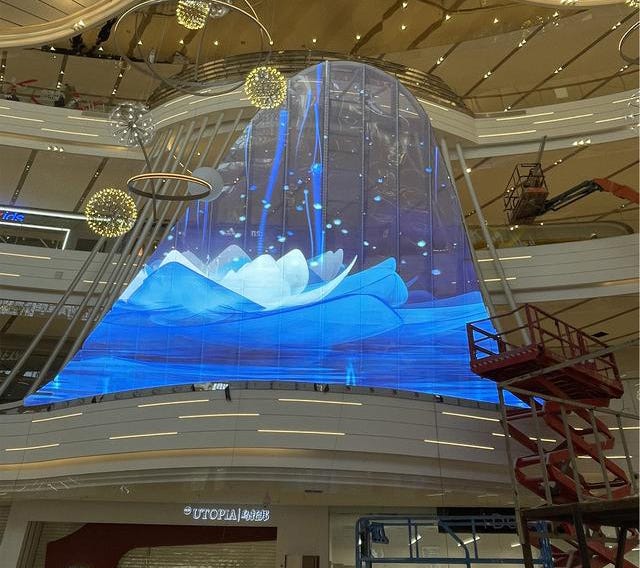
An **LED film screen** is an ultra-thin, transparent display solution built on a flexible film substrate. Unlike conventional LED cabinets, this technology can be directly applied to glass surfaces, creating a visually striking transparent LED film display that blends digital content with real-world architecture.
Also referred to as LED transparent film screen or transparent LED display screen, this format offers high transparency, low weight, and exceptional design freedom. The result is a display that appears to “float” on glass while maintaining natural daylight and visibility.
Key Features of LED Transparent Film Screens
1. High Transparency with Minimal Visual Obstruction
One of the defining advantages of a transparent LED film display is its ability to maintain clear sightlines. Transparency levels often exceed 85–90%, allowing natural light to pass through while digital content remains vibrant and legible.
2. Ultra-Thin and Lightweight Structure
Unlike traditional LED panels, an LED film screen is only a few millimeters thick. This makes it ideal for glass walls, windows, and curved surfaces without requiring structural reinforcement.
3. Flexible and Customizable Installation
A flexible LED film can adapt to curved, angled, or irregular surfaces. Screens can be cut to size, shaped around architectural elements, or installed across large glass areas with minimal visual impact.
4. Front Maintenance and Easy Integration
Most LED film screen systems support front access maintenance and adhesive or frame-based installation. This reduces installation time and allows seamless integration into existing buildings.
Advantages Over Traditional Transparent LED Displays
Compared with cabinet-based transparent LED screens, LED film solutions offer several practical benefits:
- Lower load on glass structures
- Cleaner, frameless appearance
- Greater design freedom for architects
- Simpler logistics and faster installation
- Lower long-term maintenance costs
These advantages make the transparent LED display screen particularly attractive for modern commercial projects where aesthetics are just as important as performance.
Applications of LED Film Screen Technology
Retail Storefronts
Retailers use LED film screens to showcase promotions, seasonal campaigns, and branding content while keeping products visible behind the glass. This creates a dynamic storefront without sacrificing openness.
Shopping Malls and Commercial Buildings
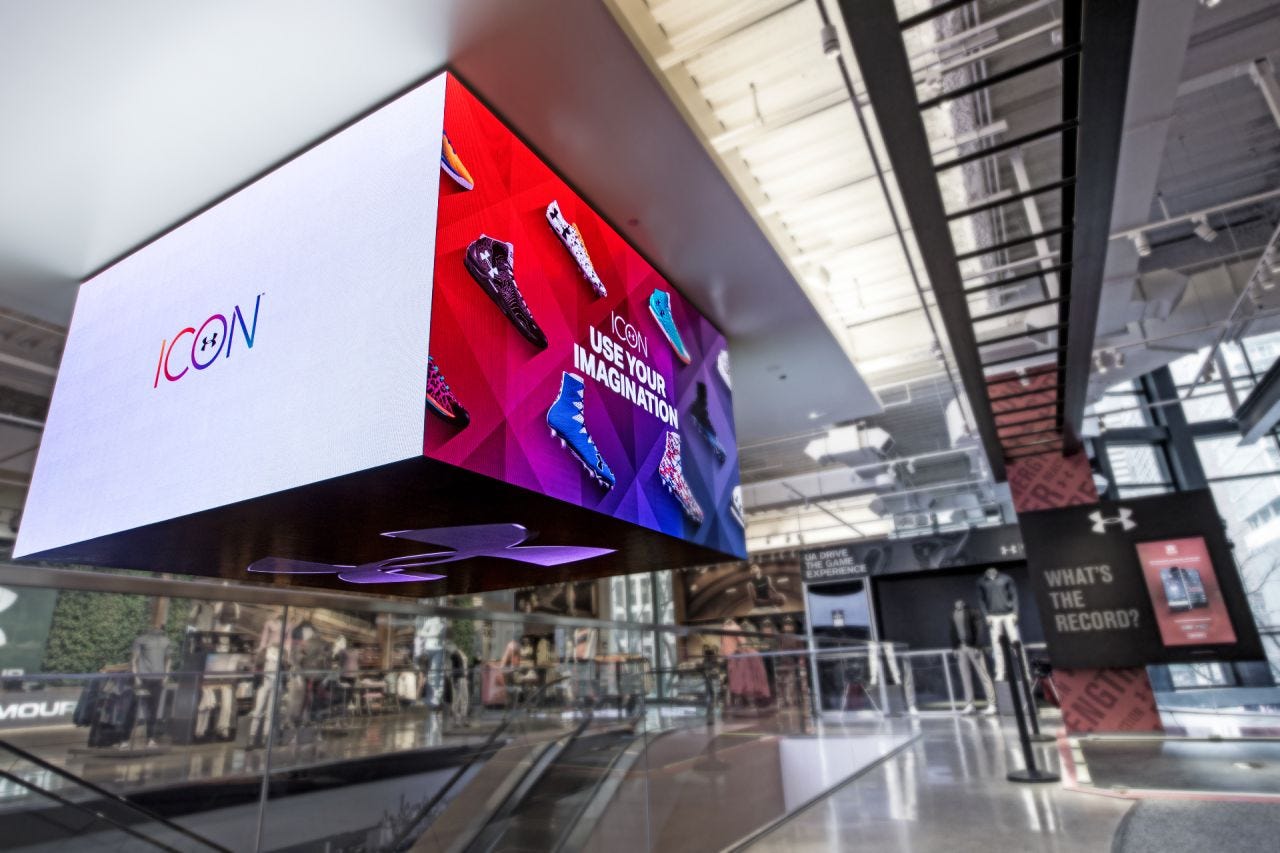
Glass atriums, escalator railings, and interior partitions become digital canvases with LED transparent film screens, enhancing customer experience without altering the architecture.
Office Buildings and Corporate Branding
In office environments, LED film screens are used for brand storytelling, internal communication, and reception area displays — delivering digital impact without blocking light.
Museums and Exhibition Spaces
Thanks to their low visual intrusion, flexible LED film solutions are ideal for exhibitions where digital content must coexist with physical artifacts.
Creative Installations and Media Art
Designers and artists leverage flexible LED film technology to create immersive visual experiences on curved or unconventional surfaces.
Why Choose Cinstar Display for LED Film Screens?
As a professional LED screen manufacturer, Cinstar Display brings years of engineering expertise and global project experience to the LED film screen market.
Proven Product Reliability
Cinstar’s LED film screen solutions are engineered with stable IC drivers, high-quality LEDs, and advanced encapsulation technology to ensure long service life and consistent performance.
Customized Transparency and Pixel Pitch Options
Whether your project requires ultra-high transparency for storefront glass or higher brightness for daylight-facing façades, Cinstar Display provides tailored configurations to match real-world needs.
Engineering Support and Project Consultation
Beyond hardware supply, Cinstar offers professional design consultation, installation guidance, and system integration support — helping clients avoid common pitfalls in transparent LED applications.
Global Supply Capability
With projects delivered across Europe, North America, the Middle East, and Asia, Cinstar Display understands international standards, logistics, and compliance requirements.
Cost-Effective Alternative to Local Custom Solutions
For architects, system integrators, and branding agencies, working with Cinstar Display means accessing factory-direct quality without the high costs often associated with custom glass display solutions.
Future Trends in LED Film Screen Technology
The LED film screen market is evolving rapidly, driven by both technological innovation and architectural demand.
- Higher Resolution and Smaller Pixel Pitch As LED chips continue to shrink, transparent film displays are achieving sharper visuals even at close viewing distances.
- Improved Energy Efficiency Next-generation LED film screens consume less power while delivering higher brightness — making them more sustainable for large installations.
- Smart Control and Content Integration Cloud-based content management, real-time data integration, and AI-driven scheduling will make transparent LED displays smarter and more responsive.
- Deeper Integration with Architecture Future buildings will increasingly incorporate transparent LED display screens as a standard design element rather than an afterthought.
Conclusion
The LED film screen is more than just a display — it is a design tool that bridges digital communication and architectural aesthetics. With its transparency, flexibility, and visual impact, this technology is transforming how brands, businesses, and public spaces communicate visually.
By choosing **Cinstar Display** as your LED film screen supplier, you gain access to proven manufacturing expertise, flexible customization, and professional support from concept to completion. As transparent display technology continues to evolve, LED film screens will play a central role in shaping the future of digital architecture.
메타데이터
- post_id
- ba2c1f6b00ee
- slug
- led-film-screen-technology-features-advantages-applications-and-future-trends-ba2c1f6b00ee
- url
- https://medium.com/@jason.zhang2589/led-film-screen-technology-features-advantages-applications-and-future-trends-ba2c1f6b00ee
- canonical_url
- https://medium.com/@jason.zhang2589/led-film-screen-technology-features-advantages-applications-and-future-trends-ba2c1f6b00ee
- author_url
- https://medium.com/@jason.zhang2589
- status
- ok
- fetched_at
- 2026-07-23 00:52:37