How the Gremlin Ruled the Sky
Before the 80s movies, countless TV, and cartoon appearance, gremlins were taken seriously by pilots. They may be things of myth and…
How the Gremlin Ruled the Sky
Before the 80s movies, countless TV, and cartoon appearance, gremlins were taken seriously by pilots. They may be things of myth and legends, but to World War II pilots they represent a real danger.
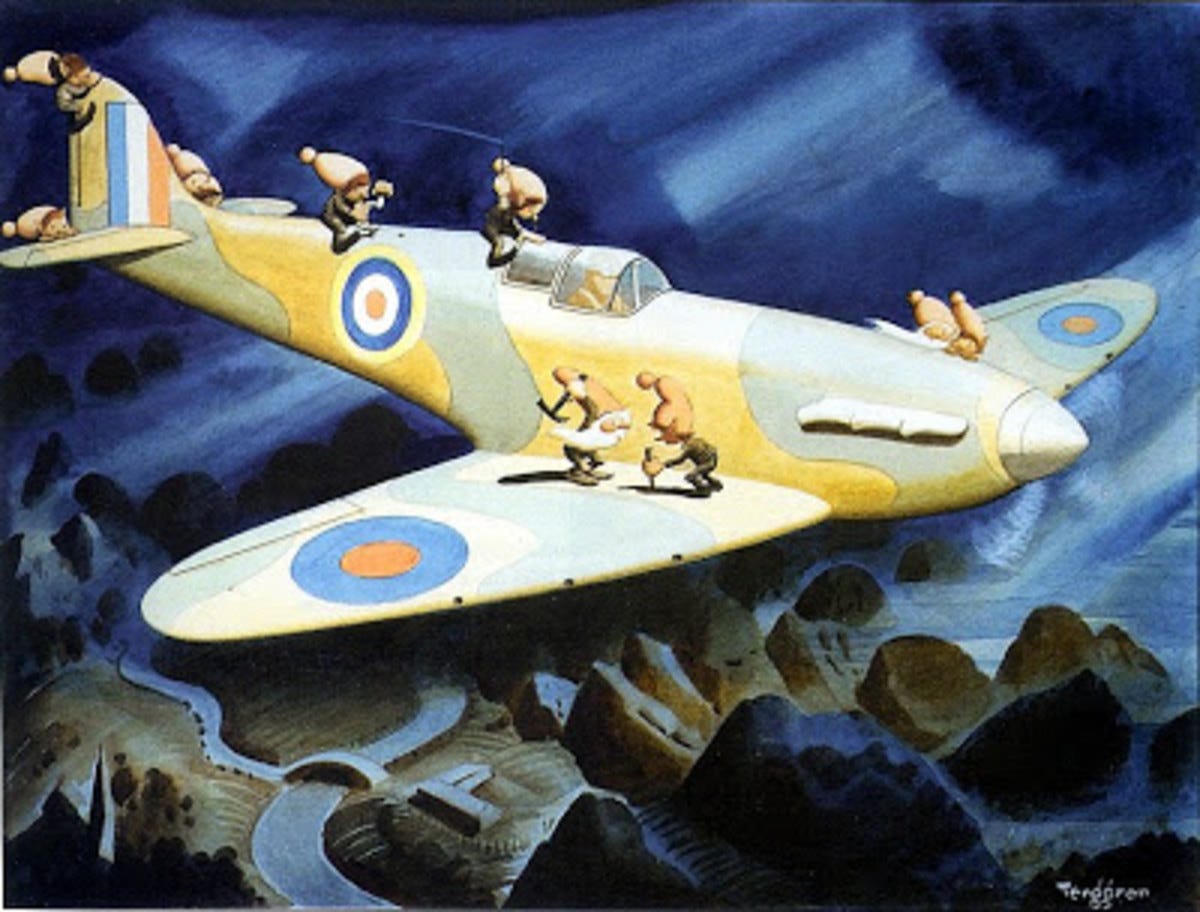
“Gremlins and Fifinellas on an airplane” by artist Gustaf Tenggren. Collier’s Magazine, Oct. 31, 1942
A Flight in Peril
The fighter pilot scans the sky in search of the enemy. Relieved, he sighs, realizing his flight home will be a safe.
Suddenly, the engine sputters and coughs out jet black smoke. The smell of burnt oil permeates his nose. In a panic, he does everything he can to keep the plane going. But, the pang in his stomach reveals that the effort is fruitless.
He didn’t see flak from anti-aircraft guns or enemy planes pursuing him. He’s alone, but he and his plane are in peril.
Then, the engine stops and the descent starts. Fear envelopes him. There is little he can do to save the plane. Thus, he punches out and free falls into the dead of night before deploying his parachute.
In the silent night sky, he begins to realize what had just happened. His plane wasn’t brought down by the enemies.
“Gremlins!” he mutters as he floats down to an unknown fate.
Those Pesky Gremlins
The scenario given highlights a problem — and a legend — World War II pilots faced. If it wasn’t enemy fire from AA from the ground or fighter planes from the sky they had to worry about, it was mechanical failure caused by unforeseen forces.
Wear-and-tear from numerous sorties, pilot error, or unreliable parts were just a few things that could cause a planes to crash. However, many felt that there was something more sinister — and otherworldly — was creating havoc.
As an example, England’s Royal Air Force (RAF) was plagued by unexplained accidents and mechanical failures affecting its planes during World War II. Some pilots believed it was enemy sabotage; yet, others alleged it was something more sinister and supernatural. They began blaming these problems on mythological imps known as gremlins.
Despite their nefarious beginnings, those “pesky” gremlins became part of modern folklore.
Despite their nefarious beginnings, those “pesky” gremlins became part of modern folklore. They “came down to Earth” and became literary, TV and film characters for generations to come. In addition, gremlins became an unlikely source for British propaganda aimed at gathering support from the United States for its war effort.
Eventually, at war’s end, gremlins found new life in comic books and movies. In a short time, the creature the RAF dreaded became a world-wide sensation.
Origin of a Malicious Spirit
The term “gremlins” is believed to be derived from the old English word *gremian*, which means “to vex” or “annoy”. Considering their legendary traits, there’s no doubt the name fits.
Despite the name’s ancient origin, the gremlins of legends is a fairly new phenomenon. Although there are some debates about its first appearance and references, these mysterious beings coincide with the emergence of the aircraft as a weapon of war.
According the the website,*** HistoryNet the British magazine Spectator** first mentioned them (but not by name) after World War I. The Spectator* journalist wrote that the Royal British Naval Air Service in 1917 (and later the RAF the following year) stated that they “have detected the existence of a horde of mysterious and malicious spirits whose purpose in life was…to bring about as many as possible of the inexplicable mishaps which, in those days as now, trouble an airman’s life.”
The Standard Dictionary of Folklore, Mythology, and Legend (as reported by HistoryNet), revealed other critical facets to the gremlins’ development as lore:
• Up until 1922 nobody dared to mention their name.
• In 1923, a British pilot who crashed into the sea blamed it on gremlins.
The latter reference is debatable whether it was the first time the word was used. Still, it revealed something critical; the term “gremlins” was first used as slang by the RAF stationed in Malta, the Middle East, and India during the 1920s.
The pilots “blamed” various mishaps on gremlins. This was particularly true when it came to unexplained or mysterious origins that affected their planes.
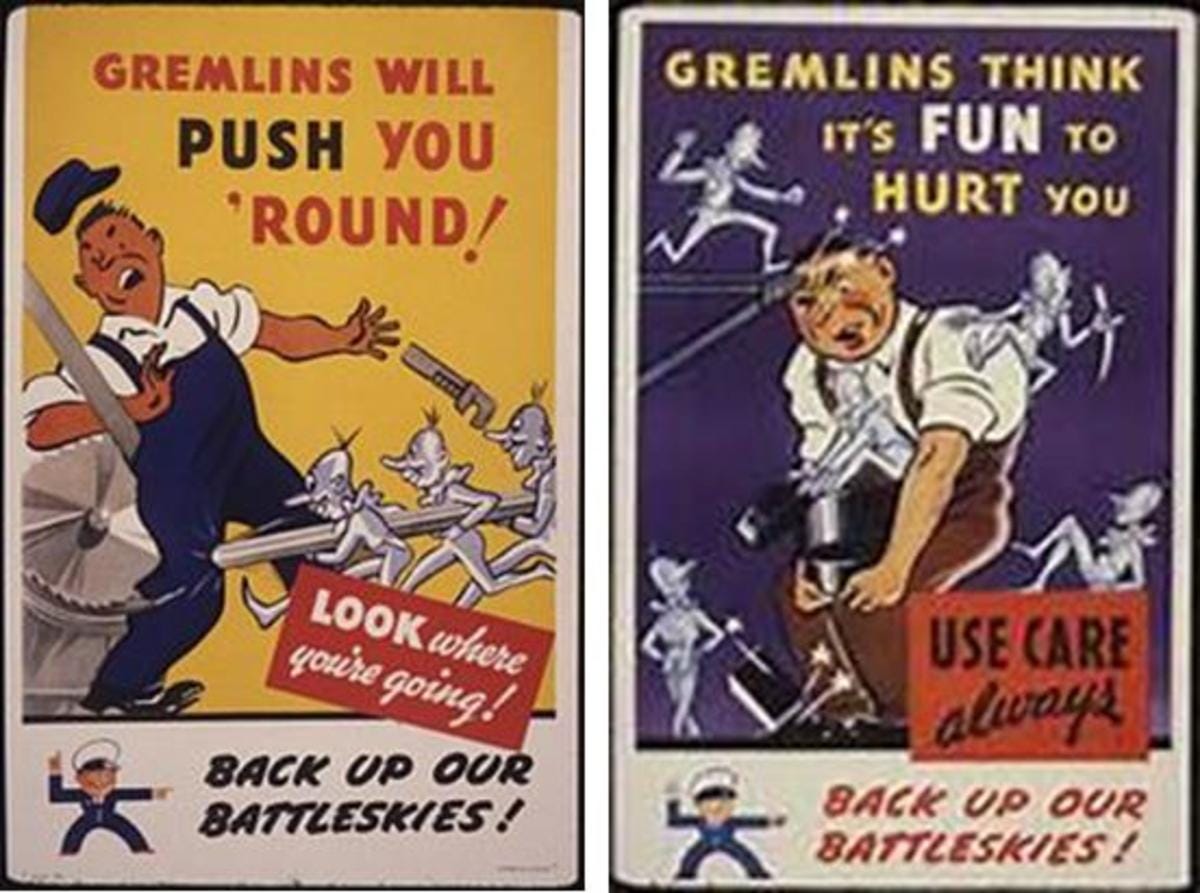
vintage poster from World War II, US Office for Emergency Management
Mass media soon caught onto gremlins. The first time “gremlins” was used in print came from a a journal on airplanes; however, it wasn’t a features article of research report. Instead it emerged in the form a poem published in a journal called Aeroplane in 1929.
In the decade between its first printing, other authors wrote or incorporated gremlins into their stories or accounts. In addition, aviators worldwide began using gremlins as a way to explain mechanical problems.
In some cases pilots reported seeing spirit-like entities playing on their planes’ wings during flight. In one such account came from renowned American pilot Charles Lindbergh who reported that he saw “ghostly presence” during his 1927 solo flight across the Atlantic (Harder, 2019).
Still, it would be World War II that brought gremlins infamy. Gremlins became so iconic during this time that the RAF’s Photographic Reconnaissance Unit (PRU) had their own song dedicate to them. The song was called, “***Song of the Gremlins.***”
During the war (and to bolster the gremlins’ reputations), British and American pilots reported seeing “little being” dancing on their wings or flying around their planes (most of these sighting were never corroborated or verified).
Some pilots believed that gremlins were working with the enemy. When reports came in that enemy aircraft, in particular the planes of the German Luftwaffe, were having the same technical difficulties, many RAF pilots began to believe that the creatures were equal opportunity tricksters that took no sides in the war.
Popular Writer Reveals First Image of Gremlins
For the most part, gremlins often described as being ghostly; however, that changed, thanks to a RAF pilot and future best-selling author, named Roald Dahl.
Dahl is often credited for introducing gremlins to the rest of the world in his first children’s novel simply entitled, The Gremlins. During the war he was an RAF pilot injured in the line of service by an aerial accident.
In it, the gremlins were finally personified as tiny anthro-morphed beings crawling on planes and tearing panels and instruments from it.
Soon, he became an assistant air attaché and was transferred to Washington D.C. in 1942. After arriving in the United States, Dahl wrote the novel.
The book was about the hazards of being an RAF pilot. However, it became much more.
In it, the gremlins were finally personified as tiny anthro-morphed beings crawling on planes and tearing panels and instruments from it. The story went as far as to introduce male (widgets) and female (fifinellas) gremlins.
Gremlins Help the USA
The popularity of the story soon reached Dahl’s boss, Sydney Bernstein and William Stephenson (a British agent who was known as Intrepid). It wasbbelieved that the two showed the manuscript to Walt Disney.
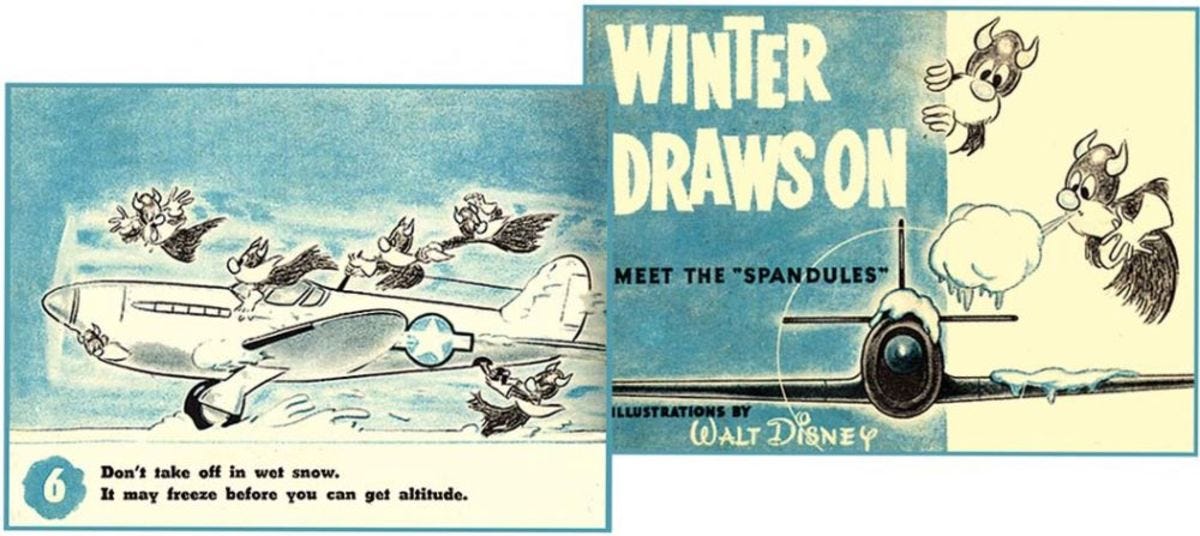
Originally published at www.alephbet.com/pages/books
Disney released a comic book version of the novel. The cover of this particular book made the gremlins resemble Mickey Mouse to a certain degree. It had big eyes and a round red nose (no big ears) Also, they were cute and cuddly (This was probably not the image Dahl had envisioned).
Later, after hearing Dahl read the story to her grandchildren, Eleanor Roosevelt befriended Dahl. As a result Dahl became a go-between for President Franklin Roosevelt and British Prime Minister Winston Churchill during the war. It was just one of the strange and indirect ways the gremlins came into service for the allies.
Flying toward Hollywood Stardom
The concept of making Dahl’s The Gremlins into a movie was in talks with Disney. However, the deal fell through. One website speculates that Dahl’s political relationship with FDR may have been a factor. Either way, other Hollywood studios jumped onto the gremlin myth and used it as wartime propaganda.
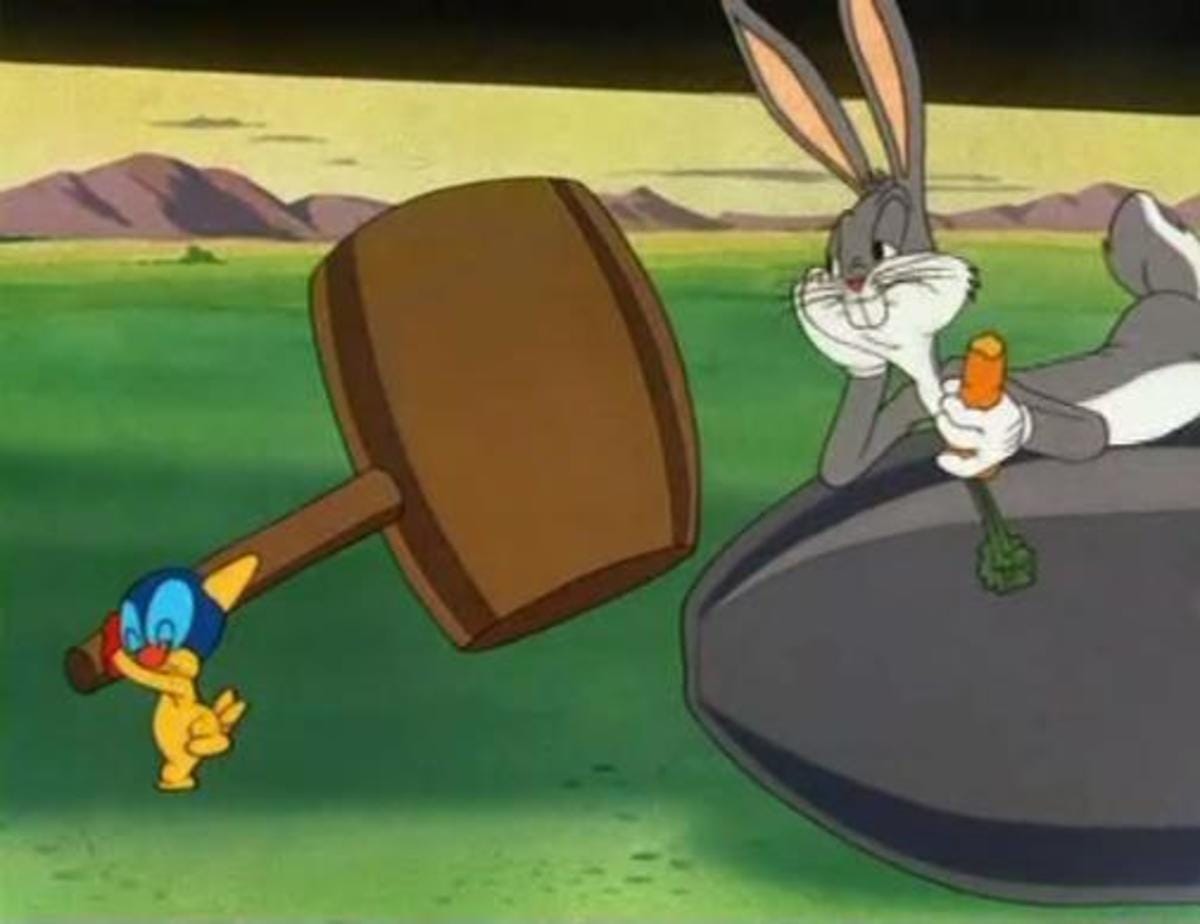
Bugs Bunny and a Gremlin ready to create havoc. scene is from the 1943 Warner Bros. cartoon Falling Hare.
Warner Brother’s Merrie Melodies later to be known as Loony Tunes) were among the first to use a gremlin as a character. In the earliest episode, Bugs Bunny is pitted against a gremlin with plane wings for ears. Another Merrie Melodies cartoon produced during World War II showed the gremlins attacking a plane flown by Adolf Hitler.
In later years, shows such The Twilight Zones and The Simpsons would use gremlins. Also, after more than forty years, gremlins finally made it to the silver screen in Gremlins and its sequel, Gremlins 2.
By that time, gremlins had gone from being a folklore of World War II, to a Hollywood creation. The gremlins of Hollywood were vastly different. Even the movie version had an entirely new origin for them.
From aviation folklore to movie sensations, gremlins evolved. Once despised, they are now seen as cute and cuddly creatures. In many respects, gremlins are new modern myths. Still, they’ve come long way from their days of harassing and annoying fighter pilots over the European theater of war.
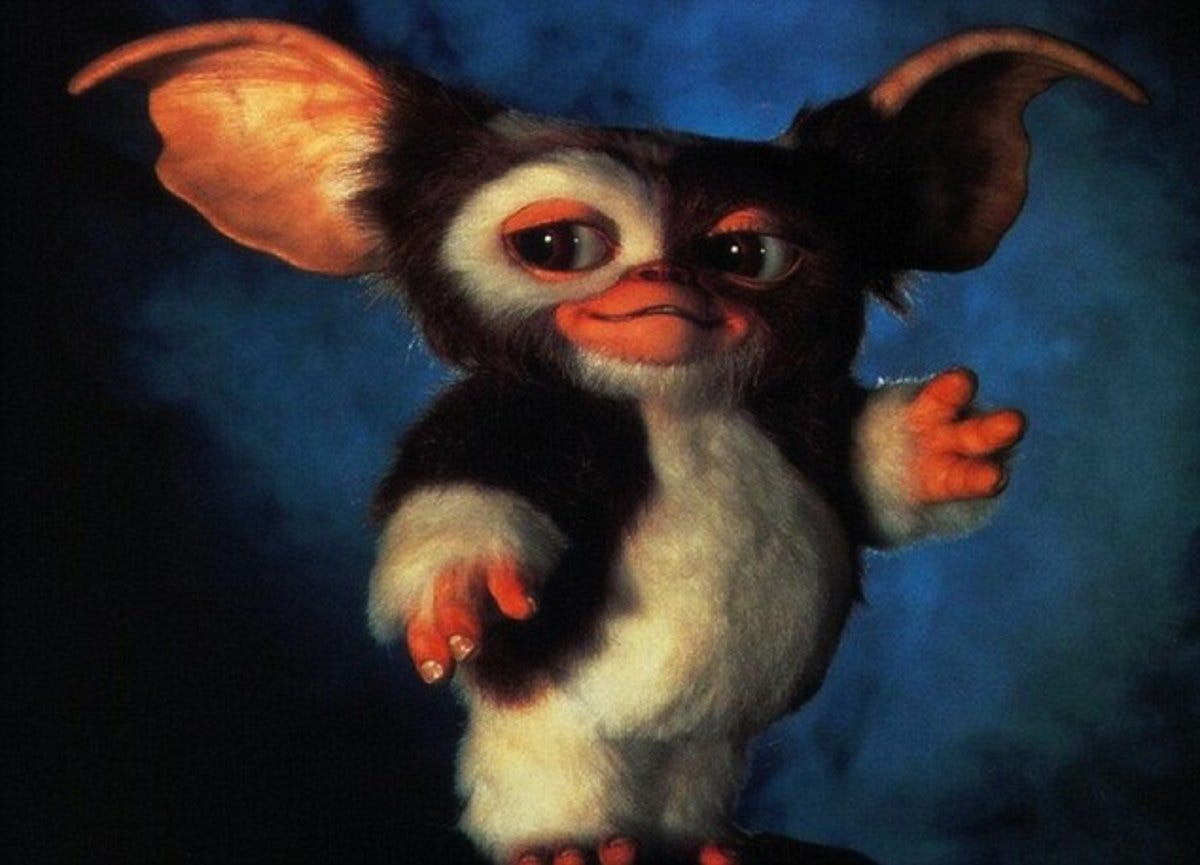
Gremlins 2: The New Batch George Mogwai prop replica by Trick or Treat Studios
Work Cited
- Robert O. Harder: Gremlins! History Net.com (2019)
- Hana Videen: Gremian: Old English Wordhord (2016)
- sung by the RAF Photographic Reconnaissance Unit: “SONG OF THE GREMLINS”: Dragon Queen’s Favorite (Retrieved 2026)
- Roal Dahl: The Gremlins: Walt Disney’s Studios (1943)
메타데이터
- post_id
- ba78c64bae22
- slug
- how-the-gremlin-ruled-the-sky-ba78c64bae22
- url
- https://medium.com/mythology-journal/how-the-gremlin-ruled-the-sky-ba78c64bae22
- canonical_url
- https://medium.com/mythology-journal/how-the-gremlin-ruled-the-sky-ba78c64bae22
- author_url
- https://medium.com/@ds_traylor
- status
- ok
- fetched_at
- 2026-07-09 05:26:43