Latest Trends in China Interlining for the Global Textile Industry
The international fabric and clothing industry continues to evolve swiftly as style manufacturers, manufacturers, and providers adapt to…
Latest Trends in China Interlining for the Global Textile Industry
The international fabric and clothing industry continues to evolve swiftly as style manufacturers, manufacturers, and providers adapt to changing patron preferences and technological innovations. One of the most vital but often omitted additives in garment production is interlining. Interlining plays a vital function in giving clothes shape, durability, and shape, making it a vital component within the garment production technique.
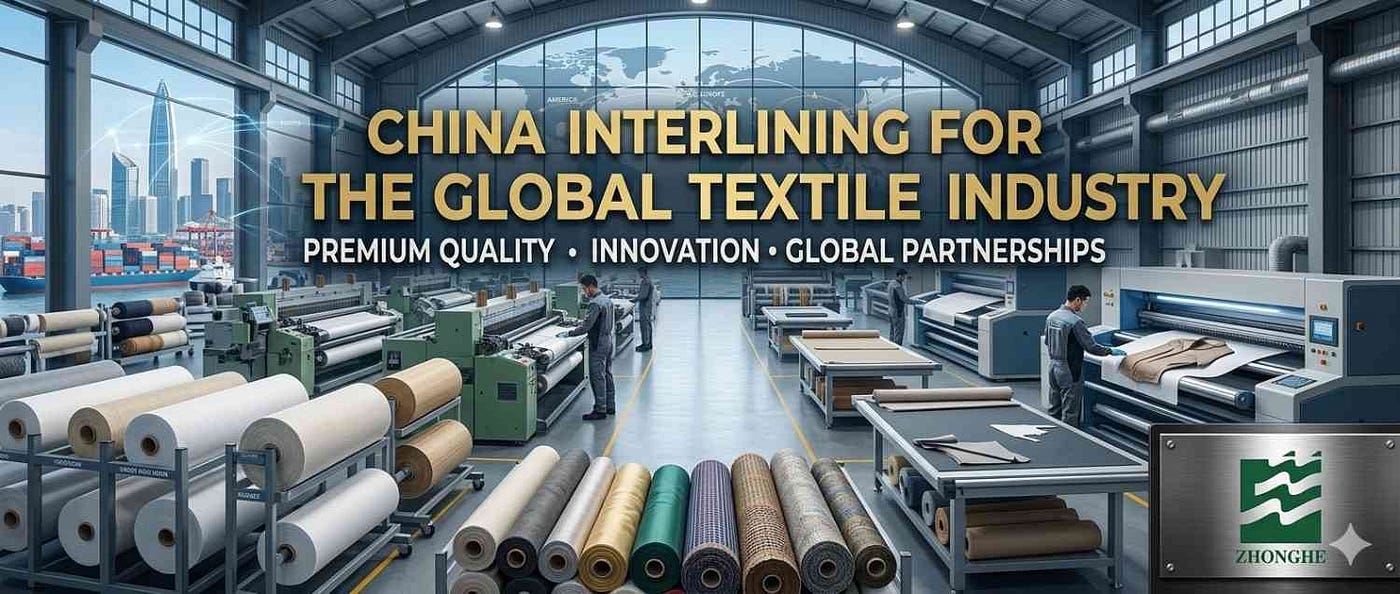
China has emerged as a dominant force in the international interlining marketplace because of its advanced textile infrastructure, sturdy supply chains, and large-scale manufacturing competencies. The United States textile enterprise has continuously invested in innovation, sustainability, and automation to fulfill the developing demand for wonderful fabric and garment add-ons.
Interlining materials are used in collars, cuffs, waistbands, plackets, and other garment sections to enhance, balance, and maintain the intended shape of the apparel. As the global clothing industry grows, demand for superior interlining solutions continues to rise.
Companies together with STK Interlining are actively collaborating on this evolving marketplace by providing high-performance interlining answers that meet international quality standards. Understanding the present-day tendencies in **China interlining** sector affords precious insights into the future direction of the worldwide textile industry.
The Importance of Interlining within the Textile Industry
Interlining is a supportive cloth layer placed between the outer cloth and the lining of a garment. It strengthens particular elements of apparel and improves the garment’s usual look, shape, and durability.
Without interlining, garments, along with suits, shirts, jackets, and clothes, could lack the right shape and structural guide. Interlining substances are especially essential in formal and tailor-made garb, wherein crisp shapes and easy finishes are vital.
There are several forms of interlinings used in the industry, which include woven interlining, ***non-woven interlining***, and knitted interlining. Each type gives exceptional traits such as flexibility, strength, and stretchability, depending on the utility.
As garment manufacturing turns into increasingly state-of-the-art, the demand for advanced interlining substances continues to grow globally.
China’s Dominance in the Global Interlining Market
China plays a leading function inside the global interlining market due to its well-evolved textile environment and integrated supply chain. The USA has constructed a whole production machine that includes raw cloth sourcing, weaving, dyeing, coating, completing, and garment production.
This complete delivery chain allows Chinese producers to produce interlining materials efficiently while retaining aggressive pricing and constant excellence. The U.S advanced production centers and large-scale manufacturing ability permit it to supply interlining products to clothing manufacturers around the world.
Industry reports estimate that the **China interlining market is valued at about $3.Eight billion in 2023 and is predicted to grow at a compound annual growth rate of round 5.2% via 2028**.
This increase displays the growing demand for high-quality clothing, technological improvements in textile production, and the enlargement of world fashion markets.
Sustainable and Eco-Friendly Interlining Materials
Sustainability has become one of the most vital traits within the global textile enterprise. Consumers and style manufacturers are more and more traumatic environmentally responsible materials and manufacturing strategies.
As a result, **Chinese interlining** producers are investing in eco-friendly materials together with recycled polyester, biodegradable fibers, and water-based adhesives. These materials reduce environmental effects while retaining the overall performance required in garment manufacturing.
Approximately 68 percent of interlining manufacturers now offer recycled polyester options to fulfill worldwide environmental standards, especially the ones required by way of European markets.
Sustainable interlining production also specializes in reducing water consumption, minimizing chemical utilization, and improving electricity performance throughout production.
Companies like STK Interlining are exploring sustainable answers that help global fashion brands committed to accountable sourcing.
Technological Innovation and Smart Manufacturing
Technological improvements are remodeling fabric production tactics throughout China. Automation, digital tracking systems, and advanced coating technology are improving production efficiency and product consistency.
Modern systems consisting of air-jet looms, rapier looms, and automatic bonding machines permit producers to provide interlinings with unique specifications and uniform exceptional quality.
Automation has also helped producers lessen production fees while enhancing manufacturing accuracy. Studies suggest that automation has decreased manufacturing costs by about 18 percent in certain interlining manufacturing strategies.
These technological innovations allow manufacturers to provide large volumes of ***interlining*** materials while preserving the same time as preserving strict satisfactory standards required by worldwide clothing manufacturers.
Growth of Non-Woven Interlining
Non-woven interlining has gained a reputation within the international textile marketplace due to its price efficiency, flexibility, and simplicity of manufacturing. Unlike woven interlining, non-woven fabrics are created by means of bonding fibers collectively in place of weaving them into a conventional fabric structure.
Non-woven interlining is broadly used in garments, which include shirts, attire, and lightweight jackets, because it provides enough support without adding excessive weight.
The growing demand for low-priced style and fast manufacturing cycles has made non-woven interlining a desired preference for lots garment manufacturers.
Chinese textile organizations have notably improved their non-woven manufacturing ability to fulfill international demand.
High-Performance Fusible Interlining
***Fusible interlining*** is every other fundamental innovation shaping the fabric enterprise. These interlinings comprise adhesive coatings that allow them to bond directly to the garment fabric while warmness and strain are transmitted.
Modern fusible interlinings offer advanced durability, more potent bonding energy, and better wash resistance compared to conventional interlining materials.
Technologies which includes double-dot and powder-dot coating methods enhance adhesion performance while retaining a tender hand sense in garments.
These innovations enable designers and producers to provide clothes with sharper silhouettes and better structural stability.
Expansion of Global Export Markets
China continues to increase its worldwide export presence in the fabric industry. Apparel manufacturers from Europe, North America, and Asia depend closely on **Chinese interlining** producers for regular supply and aggressive pricing.
Chinese manufacturers have additionally developed efficient export structures that streamline methods from order confirmation to international logistics.
Shorter production cycles and quicker response times allow manufacturers to fulfill the demands of cutting-edge style brands that operate in fast-converting markets.
Digital change platforms and cross-border e-commerce have similarly bolstered worldwide exchange relationships by permitting faster communication among customers and providers.
Increased Demand for Customized Interlining Solutions
Modern fashion manufacturers require specialized interlining solutions tailor-made to particular garment designs and fabric kinds.
For example, luxury fits require interlining that gives a sturdy structure whilst retaining comfort and flexibility. Sportswear, on the other hand, can also require lightweight and stretchable **interlining** substances.
Chinese manufacturers are making an investment in research and development to provide customized interlining answers that meet those diverse necessities.
Companies that include STK Interlining provide various interlining alternatives designed for specific garment programs, which include shirts, jackets, coats, and fashion clothes.
Customization lets garment manufacturers obtain higher garment performance and particular product designs.
Integration of Digital Supply Chains
Digital transformation is becoming increasingly critical inside the textile enterprise. Chinese producers are adopting digital delivery chain systems that enhance verbal exchange between suppliers, producers, and international customers.
These virtual systems permit real-time tracking of orders, production schedules, and stock ranges.
Faster conversation and facts transparency help lessen delays and enhance basic delivery chain efficiency.
As the textile enterprise becomes more globalized, digital integration will play a vital role in improving production making plans and logistics.
Challenges Facing the China Interlining Industry
Despite its sturdy role within the international textile market, the **China interlining** enterprise additionally faces numerous demanding situations.
One of the number one challenges is environmental law. Governments and global agencies are imposing stricter policies on chemical utilization and waste management in textile production.
Another project is the volatility of raw fabric charges. Polyester, adhesives, and other fabric chemical substances regularly enjoy fee fluctuations that could affect production costs.
Trade price lists and geopolitical tensions can also affect export markets and supply chains.
However, many Chinese producers are responding to those challenges by means of making an investment in innovation, sustainability, and stepped forward production performance.
The Role of STK Interlining in the Global Textile Industry
As the interlining marketplace continues to evolve, agencies like STK Interlining play a crucial position in imparting exquisite solutions for global apparel manufacturers.
STK Interlining specializes in producing superior ***interlining*** materials designed to beautify garment shape, durability, and general overall performance.
By combining cutting-edge manufacturing technologies with strict great manipulate processes, the agency helps fashion brands and garment producers worldwide.
The employer’s commitment to innovation and sustainable production practices aligns with the latest traits shaping the worldwide textile enterprise.
Future Outlook of the Interlining Market
The destiny of the interlining enterprise appears promising as international demand for clothing continues to grow.
Market forecasts suggest that the global interlining fabric marketplace could reach about $4.Five billion by way of 2035, pushed by the growing call for first-rate fabric and superior textile technology.
Sustainability, automation, and customization will remain the important drivers of innovation in the enterprise.
China is predicted to maintain its leadership function in interlining production because of its sturdy manufacturing infrastructure and technological abilities.
Companies that put money into studies, sustainability, and digital transformation could be well-positioned to prevail in the future global textile marketplace.
The ***China interlining*** industry has become an important component of the global fabric supply chain. Its strong manufacturing capabilities, advanced era, and aggressive pricing make it a desired source for international clothing manufacturers.
Emerging traits, inclusive of sustainable substances, computerized production, non-woven fabrics, and custom-designed interlining answers are reworking the industry and shaping the future of garment manufacturing.
As international demand for awesome clothing continues to grow, the function of modern interlining manufacturers becomes even more important.
Companies like STK Interlining are assisting in driving those improvements via offering reliable, high-performance interlining products that meet the evolving needs of the worldwide textile enterprise.
메타데이터
- post_id
- baa460d6cc65
- slug
- latest-trends-in-china-interlining-for-the-global-textile-industry-baa460d6cc65
- url
- https://medium.com/@stkinterlining/latest-trends-in-china-interlining-for-the-global-textile-industry-baa460d6cc65
- canonical_url
- https://medium.com/@stkinterlining/latest-trends-in-china-interlining-for-the-global-textile-industry-baa460d6cc65
- author_url
- https://medium.com/@stkinterlining
- status
- ok
- fetched_at
- 2026-07-11 00:45:12