What Happens During a Liquid Ring Vacuum Pump Performance Audit — Step by Step — Kakatipumps
Signs Your Liquid Ring Vacuum Pump Needs a Performance Audit
What Happens During a Liquid Ring Vacuum Pump Performance Audit — Step by Step — Kakatipumps
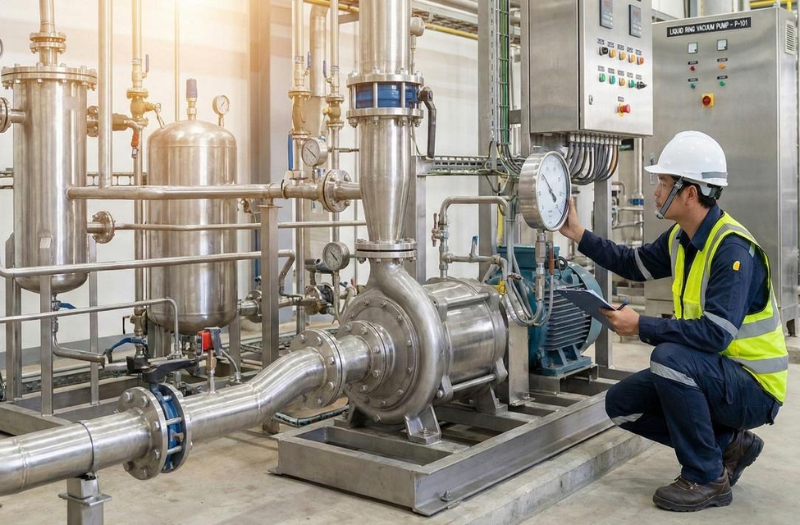
Signs Your Liquid Ring Vacuum Pump Needs a Performance Audit
Liquid Ring Vacuum Pumps (LRVPs) are known for their reliability and ability to handle demanding industrial applications. However, even the most robust systems can gradually lose efficiency due to wear, changing process conditions, or improper operating practices. The challenge is that performance degradation often happens slowly, making it difficult to detect until it starts affecting production.
A timely Liquid Ring Vacuum Pump Performance Audit can uncover hidden issues before they lead to costly breakdowns or reduced plant efficiency. Here are some common signs that indicate your vacuum system may require an audit.
1. Inability to Achieve Design Vacuum
If the pump is no longer reaching the required vacuum levels, it may indicate:
- Internal wear and increased clearances
- High seal water temperatures
- Air leaks in the system
- Piping restrictions
A performance audit helps identify the exact cause and restore optimal vacuum conditions.
2. Increased Power Consumption
A sudden rise in motor current or power usage without a corresponding increase in production can signal inefficiencies within the vacuum system.
Possible reasons include:
- Operating away from the design point
- Excessive seal water flow
- Mechanical losses
- Process changes affecting pump load
Monitoring energy usage during an audit can reveal opportunities for significant cost savings.
3. Frequent Process Interruptions
Unstable vacuum levels can disrupt critical industrial processes such as:
- Distillation
- Vacuum filtration
- Evaporation
- Paper machine dewatering
- Condenser air evacuation
An audit evaluates whether the pump is capable of meeting the current process demands consistently.
4. Excessive Seal Water Consumption
Seal water plays a vital role in LRVP performance. Excessive usage may indicate:
- Incorrect operating practices
- Poor flow control
- Inefficient cooling arrangements
Optimising the seal water system can reduce both water consumption and operating costs.
5. Unusual Noise and Vibration
Changes in vibration patterns or abnormal operating noise should never be ignored. These symptoms may point to:
- Bearing wear
- Coupling misalignment
- Internal damage
- Cavitation issues
A detailed inspection during the audit can help prevent unexpected failures.
6. Frequent Maintenance Requirements
If the pump requires repeated repairs, replacement of components, or unplanned shutdowns, a performance audit can identify the underlying causes instead of treating only the symptoms.
7. Changes in Process Conditions
Plants often undergo capacity expansions or process modifications over time. As a result, the original pump may operate outside its intended design conditions.
A performance audit determines whether the existing system remains suitable or requires optimisation.
Benefits of Conducting a Performance Audit
A Liquid Ring Vacuum Pump Performance Audit helps industries:
- Restore lost vacuum capacity
- Improve energy efficiency
- Reduce seal water consumption
- Minimise maintenance costs
- Improve process reliability
- Prevent unplanned downtime
- Extend equipment life
Final Thoughts
Declining vacuum performance should not be accepted as a normal part of plant operation. Early identification of inefficiencies through a structured performance audit allows maintenance teams to make informed decisions and implement corrective actions before problems escalate.
Regular audits not only improve the reliability and efficiency of Liquid Ring Vacuum Pumps but also help industries maximise productivity while reducing operating costs.
This blog was originally published on Kakati pumps
메타데이터
- post_id
- bace1ef91bdc
- slug
- what-happens-during-a-liquid-ring-vacuum-pump-performance-audit-step-by-step-kakatipumps-bace1ef91bdc
- url
- https://medium.com/@kakatimarketing/what-happens-during-a-liquid-ring-vacuum-pump-performance-audit-step-by-step-kakatipumps-bace1ef91bdc
- canonical_url
- https://medium.com/@kakatimarketing/what-happens-during-a-liquid-ring-vacuum-pump-performance-audit-step-by-step-kakatipumps-bace1ef91bdc
- author_url
- https://medium.com/@kakatimarketing
- status
- ok
- fetched_at
- 2026-08-07 14:44:59