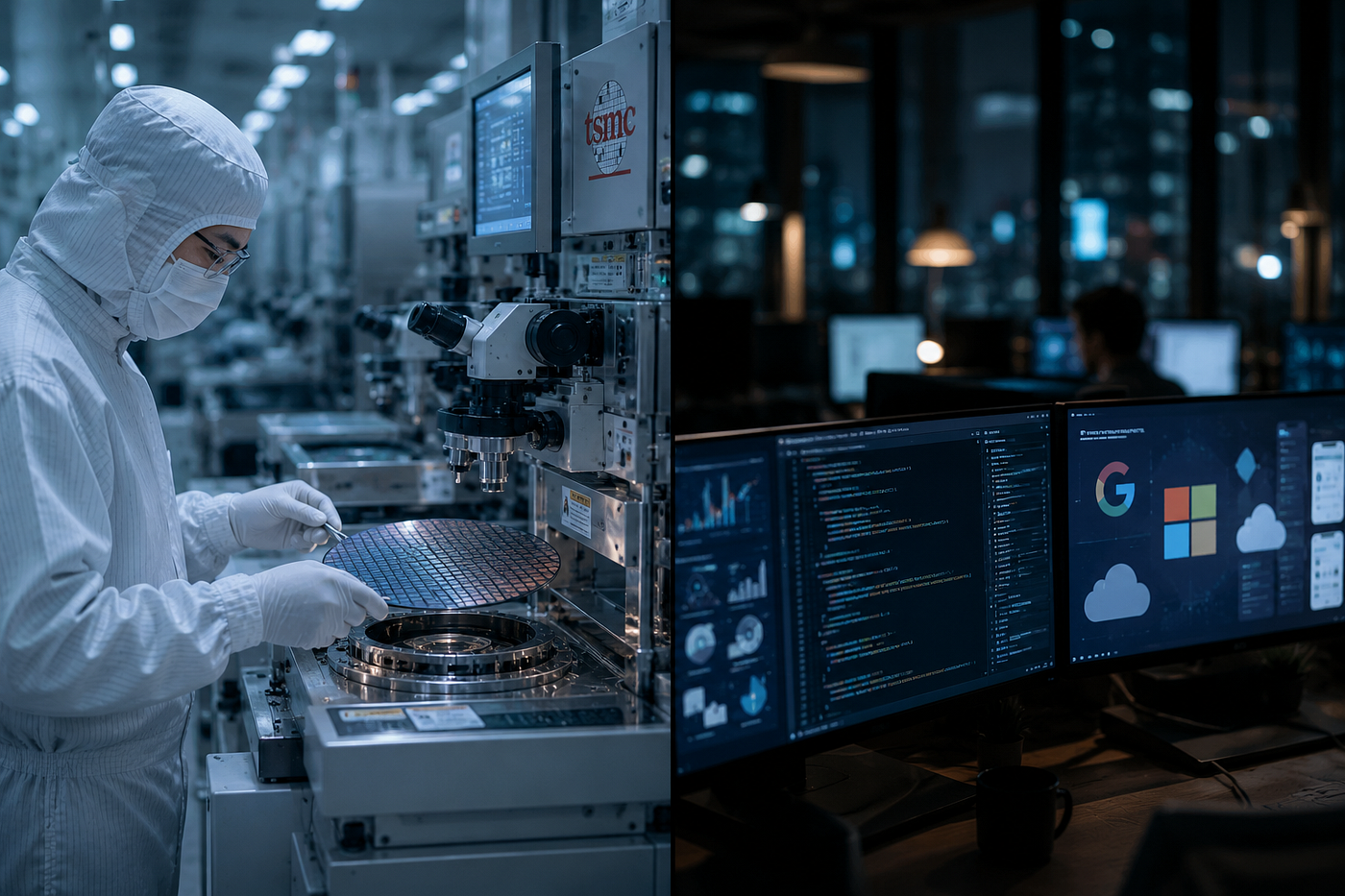
AI Training Data Copyright: What Taiwan’s Lawsnote Case Reveals About the Future of AI
In 2025, a Taiwanese startup founder was sentenced to prison over web scraping.
AI Training Data Copyright: What Taiwan’s Lawsnote Case Reveals About the Future of AI
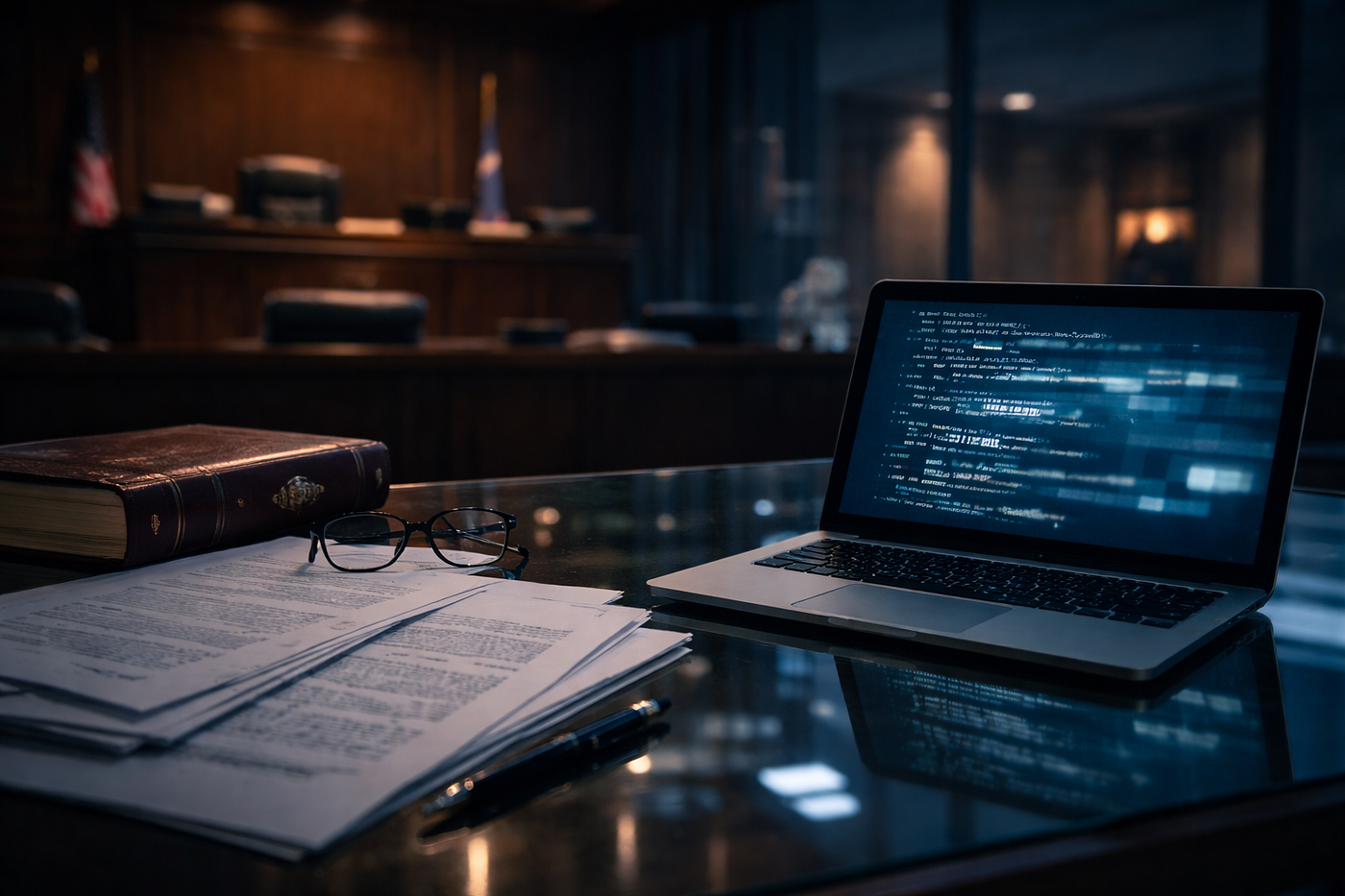
In 2025, a Taiwanese startup founder was sentenced to prison over web scraping.
At first glance, the dispute looked like a niche conflict within Taiwan’s legal technology industry. But the deeper issue may foreshadow a much larger legal battle — one that could shape the future of artificial intelligence.
The case involved Lawsnote, a startup that built a modern legal search platform, and Lawbank, a long-established legal database provider in Taiwan. The lawsuit centered on allegations that Lawsnote had used web crawling technology to collect large amounts of data from Lawbank’s database.
The ruling shocked many observers in Taiwan’s technology ecosystem.
The court’s first-instance judgment included:
- Prison sentences for the founders
- Over NT$100 million in damages
- A determination that scraping structured database content constituted copyright infringement
While the case itself was rooted in Taiwan’s legal tech sector, its implications may reach far beyond LawTech.
The Core Legal Question
The central legal issue was surprisingly nuanced.
Taiwan’s court acknowledged that laws themselves are public information. Anyone should be able to read and access statutory text.
However, the court also concluded that the structured organization of the legal database — including editorial work such as legal history, annotations, and attachments — could qualify as a protected copyrighted work.
In other words, the dispute was not about copying the law itself, but about copying the database structure and editorial effort behind it.
This distinction is critical.
It suggests that even when the underlying information is public, the way that information is organized and curated may still be protected intellectual property.

Why This Matters for AI Training Data
This legal reasoning raises a much broader question for the age of artificial intelligence.
Modern AI systems are trained on massive datasets collected from across the internet. These datasets often include text, images, structured databases, and other forms of digital content.
If the structured organization of data can be protected by copyright, what does that mean for AI training data?
Around the world, similar conflicts are already emerging.
Major lawsuits have been filed involving:
- News publishers and AI companies
- Image libraries and generative AI platforms
- Authors and large language model developers
These disputes all revolve around a common question:
When does data use for AI training cross the line into copyright infringement?
The global debate over AI training data copyright is only beginning.
A Parallel Question: Model Distillation
The Lawsnote case also invites reflection on another emerging issue in artificial intelligence: model distillation.
Model distillation is a technique in which a smaller AI model learns from the outputs of a larger model. Instead of directly copying training data, the smaller model effectively learns patterns from the larger model’s behavior.
From a technical perspective, this process is widely accepted within machine learning research.
But from a legal perspective, an interesting question arises.
If a model learns from the outputs of another model, could that be interpreted as indirectly reproducing the intellectual property embedded in the original training data?
While courts have not yet directly addressed this issue, the logic used in the Lawsnote case suggests that future legal disputes around AI model training and knowledge transfer may become increasingly complex.

Taiwan’s Role in the Global AI Copyright Debate
Although the Lawsnote dispute originated in Taiwan’s legal tech industry, its implications extend far beyond a single startup.
The case highlights a fundamental tension facing societies worldwide:
How should the law balance innovation in artificial intelligence with the protection of intellectual property?
On one hand, large-scale data access is essential for AI development.
On the other hand, creators and database providers argue that their curated data represents significant intellectual and financial investment.
As governments and courts attempt to adapt copyright law to the AI era, cases like Lawsnote may serve as early signals of the legal challenges ahead.
What began as a LawTech dispute in Taiwan may ultimately become part of the broader global debate over the ownership of data in the age of artificial intelligence.
Further Reading
For readers interested in the broader legal implications of the Lawsnote case and AI data rights, the following analyses provide additional perspectives:
- Lawbank v. Lawsnote: Taiwan ruling delivers a hard lesson on copyright https://www.managingip.com/article/2fo0b331hwuncolide0ow/sponsored-content/lawbank-v-lawsnote-taiwan-ruling-delivers-a-hard-lesson-on-copyright
- Taiwan court decision highlights risks of data scraping and copyright infringement https://www.lexology.com/library/detail.aspx?g=8f62b056-64fe-431e-a7fc-ed651e5a653c
- Legal analysis of the Lawbank vs. Lawsnote dispute by Saint Island International Patent & Law Offices https://www.saint-island.com.tw/En/Knowledge/Knowledge_Info.aspx?IT=Know_0_3&ID=143259&CID=10783
- Global AI Index Taiwan: Why Taiwan Rose to #16 — And the Structural Gaps Blocking the Top 10 https://whitehsu.blog/2025/12/11/global-ai-index-taiwan-analysis/
- The Three Paths of Robotics Development: U.S., China, and Taiwan https://whitehsu.blog/2025/10/27/three-paths-robotics-us-china-taiwan/
Read the Full Analysis
This Medium article summarizes the key ideas from my original analysis.
If you’d like to read the full version with deeper discussion of the Lawsnote case and the future of AI training data copyright, you can find it here:
👉 https://whitehsu.blog/2026/03/16/ai-training-data-copyright-taiwan-case/
Follow for More
I regularly write about:
- Taiwan’s technology ecosystem
- artificial intelligence policy and regulation
- startups and global tech trends
Follow for more insights on AI, technology, and the future of the data economy.
메타데이터
- post_id
- bae1c45a4ac4
- slug
- ai-training-data-copyright-what-taiwans-lawsnote-case-reveals-about-the-future-of-ai-bae1c45a4ac4
- url
- https://medium.com/taiwan-tech-dispatch/ai-training-data-copyright-what-taiwans-lawsnote-case-reveals-about-the-future-of-ai-bae1c45a4ac4
- canonical_url
- https://medium.com/taiwan-tech-dispatch/ai-training-data-copyright-what-taiwans-lawsnote-case-reveals-about-the-future-of-ai-bae1c45a4ac4
- author_url
- https://medium.com/@WhiteHsu
- status
- ok
- fetched_at
- 2026-08-20 10:48:30