“The Obsession Behind the Lens: William Friedkin and the Price of Relentless Vision.”
How one director’s uncompromising pursuit of realism reshaped modern cinema and pushed everyone around him to the brink.
rollingstone.com
“The Obsession Behind the Lens: William Friedkin and the Price of Relentless Vision.”
How one director’s uncompromising pursuit of realism reshaped modern cinema and pushed everyone around him to the brink.
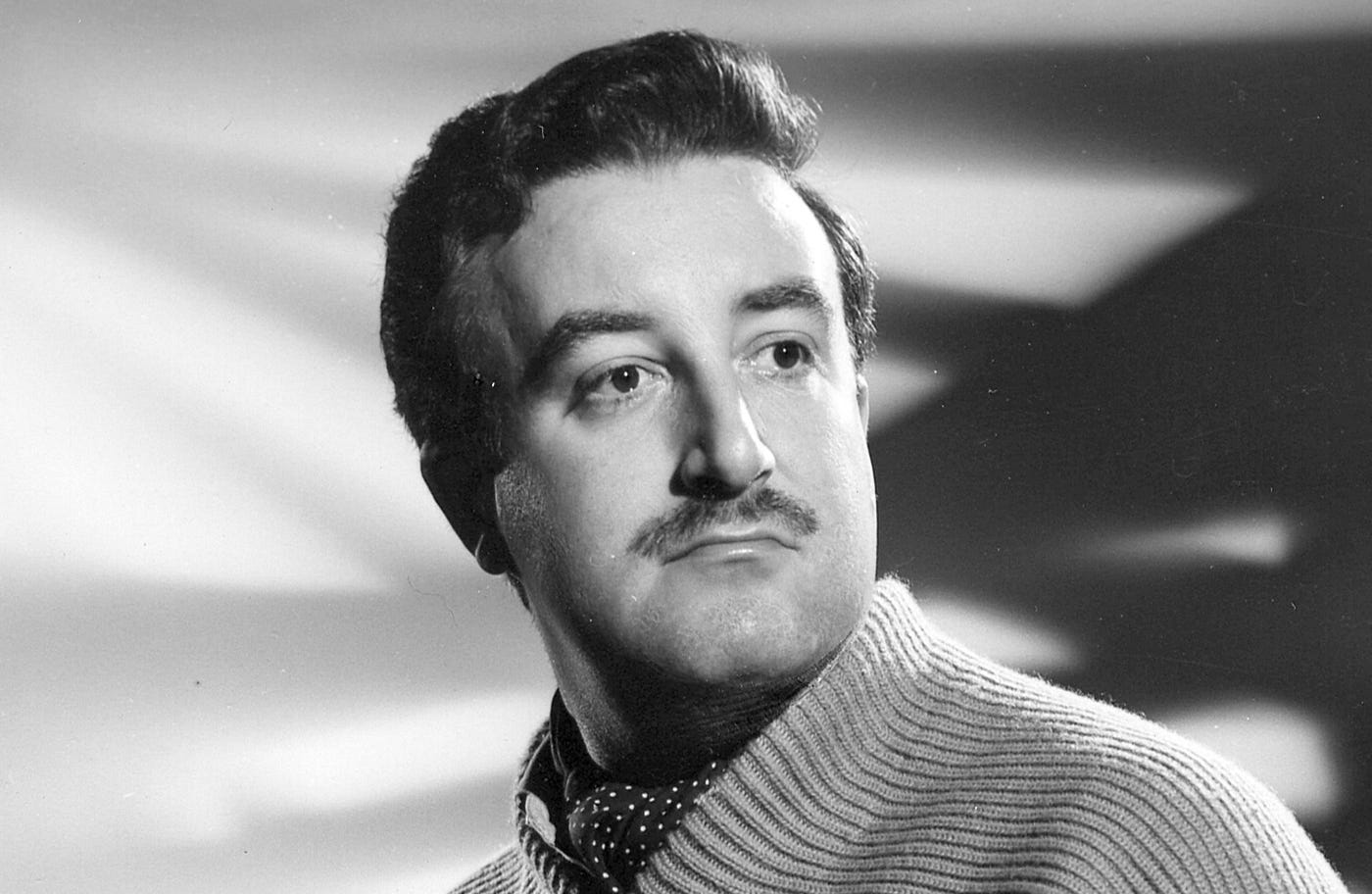
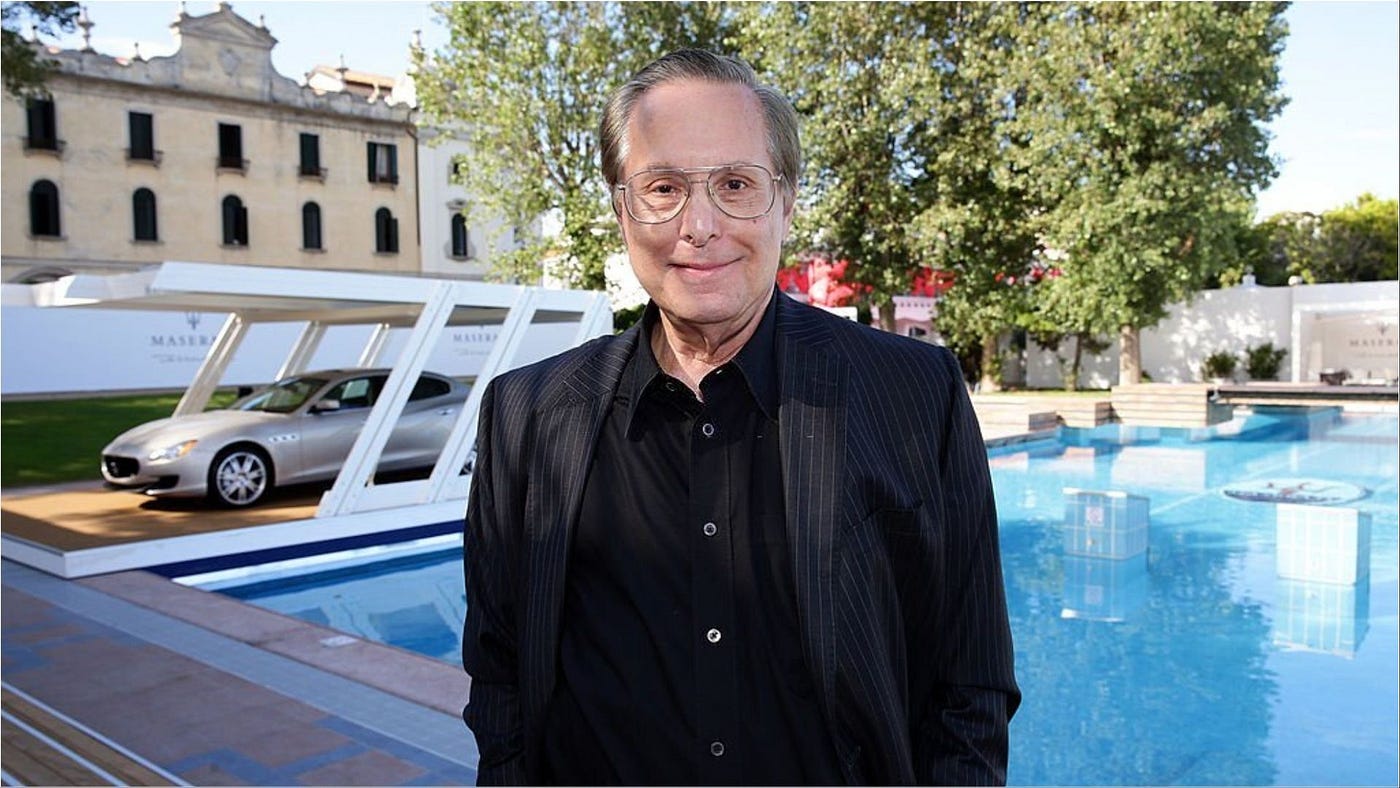
People knew about William Friedkin before he even made his first movie. Not only was he a filmmaker, but he was also a force of will and a creature who believed that movies should look, feel, and suffer like real life. Friedkin is one of the great obsessive filmmakers of the twentieth century, but his fixations were not just creative choices; they were primordial compulsions. He created his movies while fighting, not sleeping, and being in danger, all while being very dedicated to being real.
His career is one of the best instances of a director who gave up practically everything, health, relationships, money, reputation, and the sanity of people around him, to produce a movie that he thought was non-negotiable. This is the narrative of William Friedkin’s obsession: a creative force that made great works of art, broke down barriers, and left behind a mystique of almost deadly commitment to craft. It’s the tale of somebody who never saw movies as amusement but as a high-stakes test of faith, truth, and disobedience.
edition.cnn.com
The Early Seeds of Obsession: Friedkin’s unyielding quest for excellence did not manifest in its entirety upon his arrival on a film set. His focus comes from his early experience in documentary television, when he learned that the camera should show the truth instead of changing it. His groundbreaking documentaries were based on filming people without filters, which ultimately made its way into his feature films. This basis in reality informed his beliefs: staged events were meaningless unless they were based on truth. He would later add that he never intended people to feel comfortable when they saw his movies. His purpose was always to make people feel like anything might happen.
Over time, this way of thinking became more rigid. As he became older and better at making movies, the boundary between what was real and what wasn’t got smaller. He thought he had the right to challenge reality. Friedkin had already started to mix the styles of documentary filming with the intensity of narrative cinema by the time Hollywood noticed. His method was not just unusual; it was also combative. He wanted performances that seemed real and moments that had a strong effect. He wanted movies that made people’s hearts race. When Friedkin started directing feature films, his coworkers could see that he didn’t only want everything to be flawless. He wanted a kind of reality that was almost like spiritual discipline. And for him, getting that truth was worth nearly any price.
sportskeeda.com
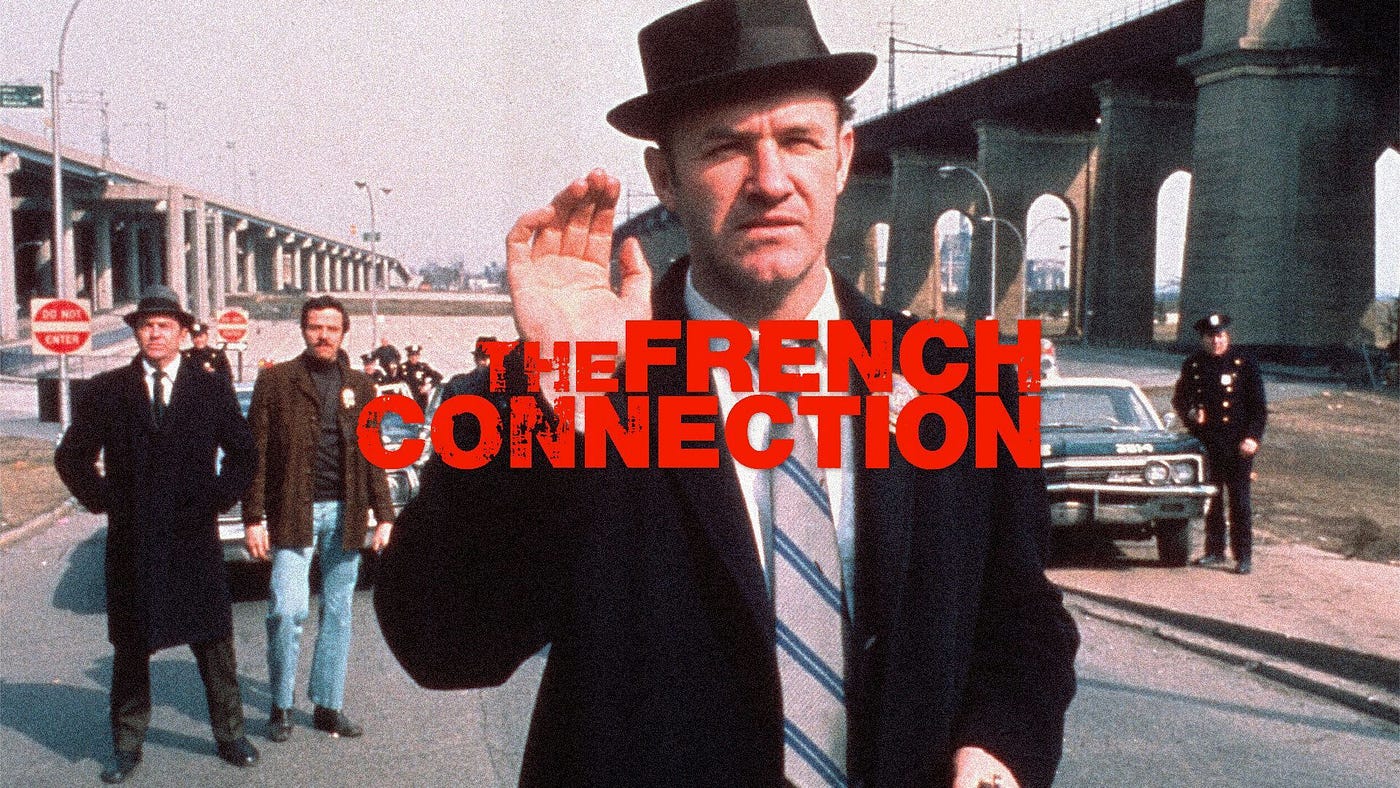
The French Connection and the Birth of a Legend: The French Connection was the first big peak of Friedkin’s passion. The film’s dirty look wasn’t an artistic choice; it was a result of Friedkin’s emphasis on filming quickly, loosely, and recklessly. The iconic automobile pursuit under the elevated rail line is now a standard for action movies, yet not many other big moments in movie history were as dangerous behind the scenes. Friedkin sent his stunt driver speeding through genuine New York traffic without permits, completely closed-off streets, or the safety measures that current producers would consider the bare minimum. He was in the vehicle with the camera operator, telling the driver to speed up.
He wanted things to be crazy, he wanted to sweat, and he wanted things to be unexpected. He thought that a pursuit scenario could never be really exciting unless the risk was genuine. There was no denying the findings. Friedkin was praised as the new face of gritty American filmmaking, and the movie won Best Picture, Best Director, and many other major honours. But even in this victory, his techniques caused problems. The crew was rattled. Actors were frustrated. Some said he had put lives in danger for no reason. One event almost led to a deadly collision, but Friedkin thought the situation warranted the means.
riotheatre.ca
Not only was the movie good, but there were also rumours that he was always on-site, which helped make him famous. People say he pushed actors until they broke. He shot weapons on stage without warning to get real responses. He pushed his workers to do their best by harassing them. Friedkin said psychological manipulation was merely another tool in the director’s toolbox. He would always have that reputation with him.
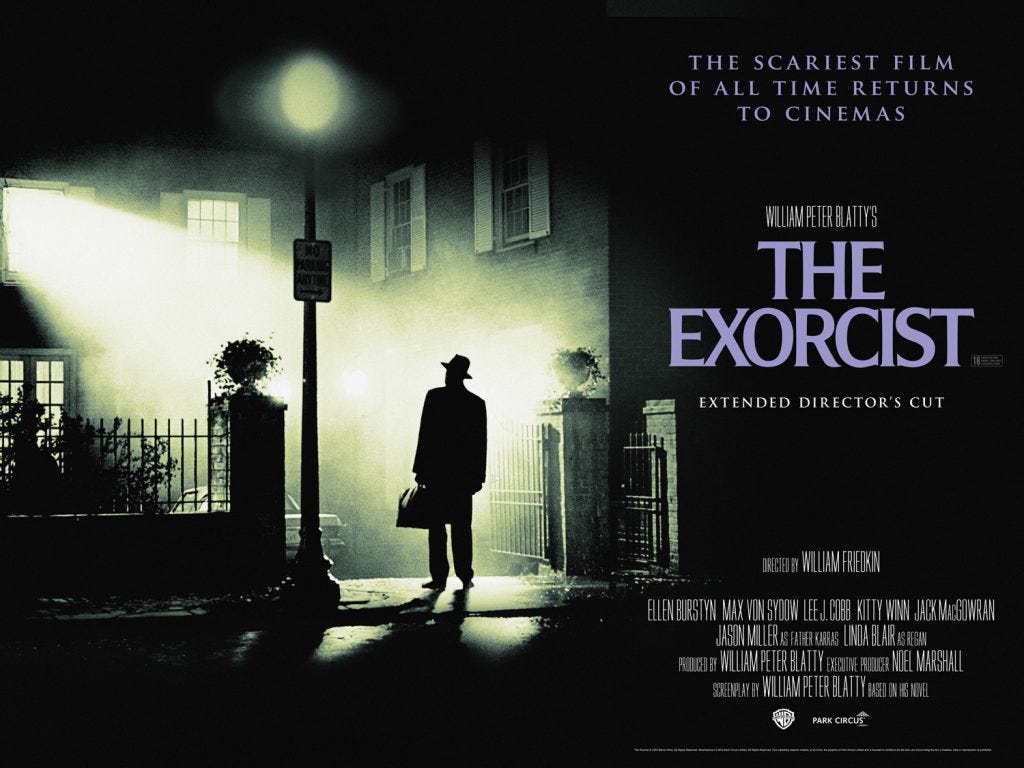
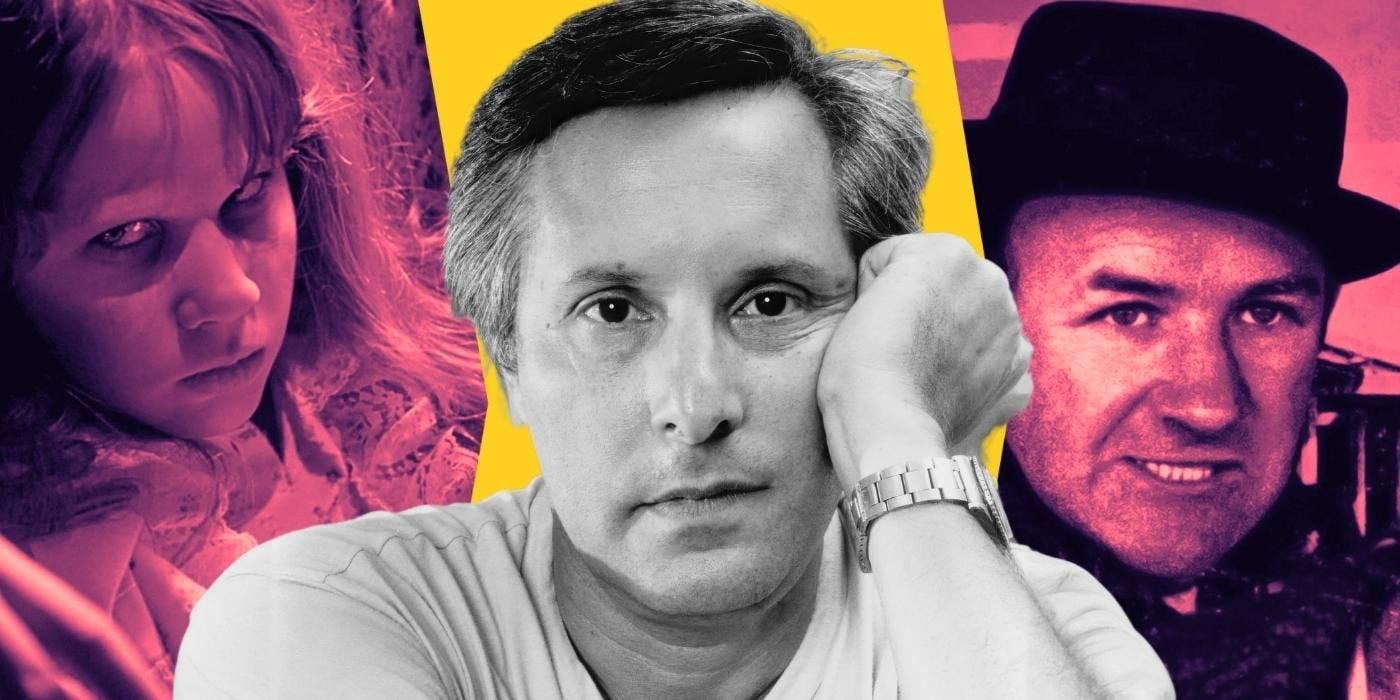
The Exorcist and the Pursuit of Authentic Horror: The Exorcist made Friedkin’s fixation live on, while The French Connection showed it. The creation of the movie has become legendary in the movie world, and its story is based on the director’s strong desire for realism. He didn’t want fake horror; he wanted actual panic on the faces of his performers.
Friedkin would shoot a pistol on set to shock actors during really dramatic sequences. In one scene, he pulled an actor so hard on a wire rig that the guy hurt his back. This take ended up in the movie. To get the condensation of breath, the set was kept very cold. Some actors felt like they were really being haunted, and they couldn’t stop shaking.
collider.com
Friedkin thought that even the film’s harsher elements, like the fires, the injuries, and the abrupt deaths, added to its reality. He leaned into the pandemonium because he thought it made the movie stronger. The physical and mental toll on the performers became an unwritten part of the shooting process, making the set a place where reality and otherworldly fear mixed.
But this method also made a great movie. The Exorcist was a worldwide hit that changed the horror genre and made Friedkin one of the most daring filmmakers of his time. People passed out in cinemas. Some people ran away from screenings. Some people were sure that the movie was cursed. Friedkin was firm in his belief that authentic terror requires a harsh dedication to honesty. He could only expect to obtain anything that seemed genuine by making the surroundings, the performers, and even himself less stable. But there was a price to pay for accomplishment. The stress of making such a huge movie, together with the emotional weight of its subject matter, made Friedkin’s image as a dictator on set much worse. As he pushed further for authenticity, his colleagues started to see how his approaches were hurting morale, physical safety, and even his own mental health. The same obsessive drive that produced outstanding works of art was starting to turn inward.
lab111.nl
Sorcerer and the Limits of Obsession: Friedkin’s previous movies showed the good side of his passion, whereas Sorcerer showed how it might be harmful. The production was hurt by injuries, money problems, bad weather, and fights among people. Friedkin tried to take his documentary-like realism as far as it could go. He wanted the movie’s difficult parts, notably the now-famous bridge scene, to show real desperation.
The filming took place in jungles that weren’t very friendly. The cast and crew became sick with tropical illnesses. The equipment kept breaking down. Places were devastated again and again. Friedkin would not give up. He turned down safer options that technicians advised. He thought that only real danger could provide the raw intensity the movie needed.
blu-ray.com
Stories from the set created the basis for dark humour in the business. Some crew members left. Some people became sick. One actor said it was like “a waking nightmare.” Friedkin himself lost weight, sleep, and sight of what was important. In the end, Sorcerer was a box office flop when it came out since Star Wars was so popular at the time. The movie’s failure was a turning point. Hollywood’s willingness to put up with endless fixation was fading, and Friedkin’s reputation went from being a creative maverick to a hazardous liability. The movie would subsequently be seen as a misunderstood classic, but at first, it had a terrible effect. It stopped him in his tracks and almost killed him. It was ultimately difficult to deny how far his infatuation had gone.
A Career Defined by Commitment: Friedkin is different from many obsessive directors since he has always been intense throughout his career. He never stopped believing in reality, whether he was directing big movies, smaller character-driven dramas, or later TV shows. As he became older, his tactics grew more regulated, but the basic ideas stayed the same.
deviantart.com
He pushed his performers emotionally and wanted them to be really involved instead of just acting. He wanted everything to be real, from the lighting to the sound design to the stunts. He still didn’t trust digital shortcuts and said that producing movies needed people to be there in person and be emotionally honest.
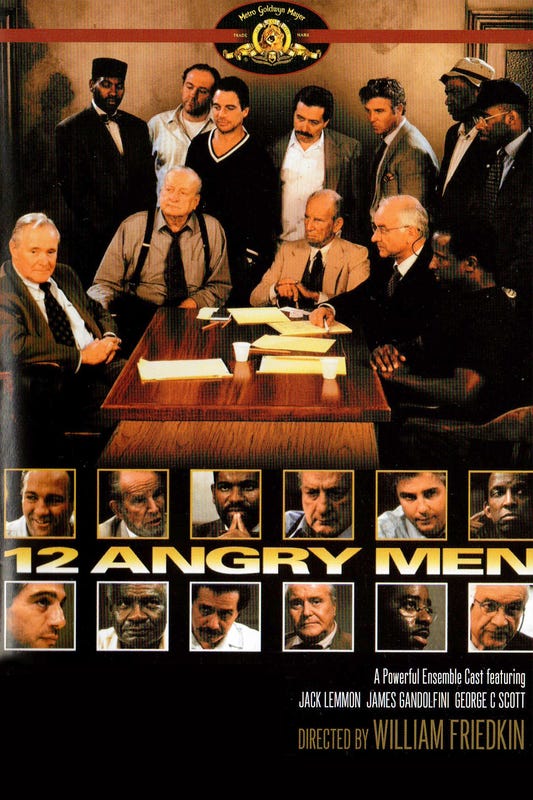
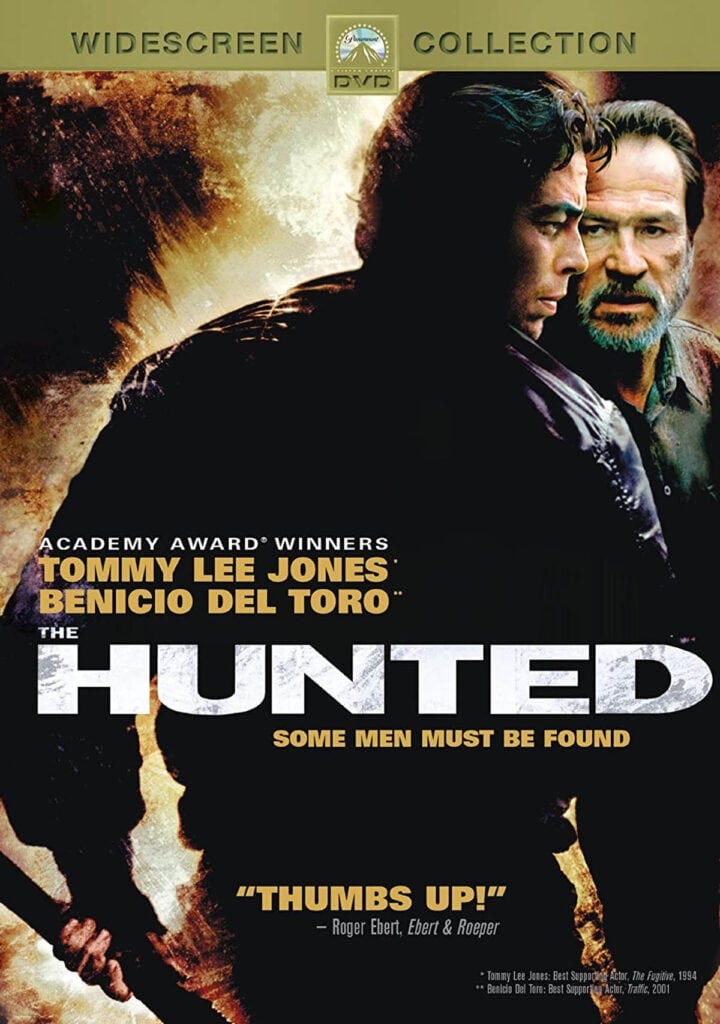
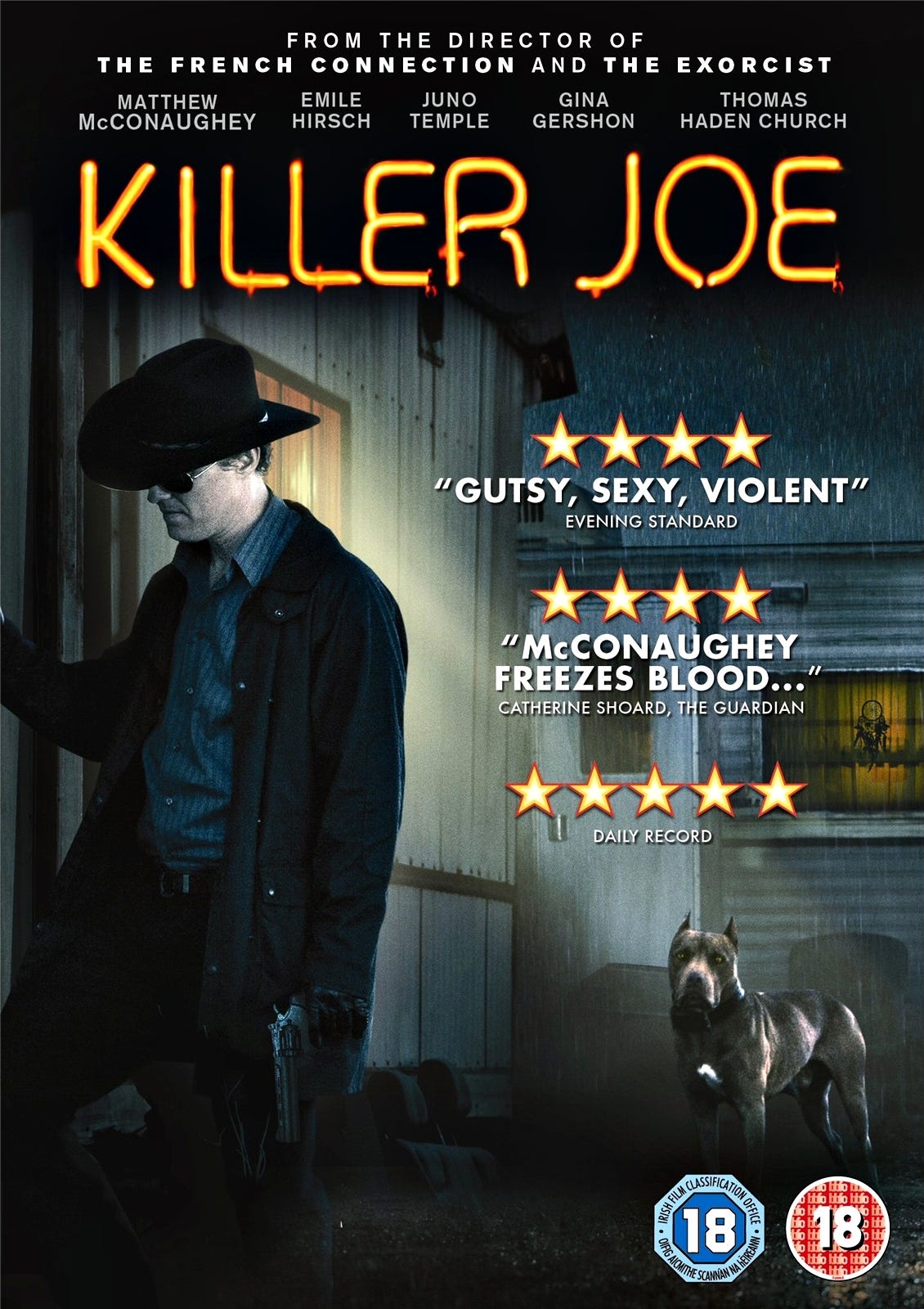
Some of his coworkers thought his methods were annoying or scary, but others said he got the best performances of their careers out of them. Actors frequently spoke about him with a combination of respect and worry. Crew members who survived his sets felt they had gone through a trial by fire that left them transformed. Hollywood subsequently moved toward creating movies that were more corporate-controlled and clean, but Friedkin never learned to work within those limits. Even in his latter works, like Bug or Killer Joe, it was clear that he was still dedicated to making things intense and uncomfortable. His infatuation didn’t fade; it only became stronger.
slantmagazine.com
A Legacy Carved in Fearlessness: William Friedkin’s legacy is full of contradictions. His tactics were sometimes perilous and controversial, yet his movies are still some of the most important in contemporary cinema. People loved and hated him and revered and feared him. His career shows how strong and dangerous it can be to have an uncompromising creative vision.
In the history of American cinema, Friedkin is known for his unrestrained ferocity. He didn’t see obsession as a negative thing; he saw it as a vital part of the search for truth. He thought that making great movies required sacrifice, and he was frequently ready to make that sacrifice personally or urge others to do the same.
But people still study, talk about, and admire his work. Younger filmmakers watch his movies to learn how to make them sound real. Researchers look at the psychological aspects of his approaches. People go back to his masterpieces and are amazed by how powerful they are. The Exorcist and The French Connection are still examples of outstanding filmmaking, even decades later. To learn about Friedkin’s career is to learn how dangerous and exciting it can be to be obsessed with art. His filming process resembled traversing a tightrope, guided by an individual who refused to look downward.

imdb.com
The Human Cost of Artistic Devotion: Friedkin was a person full of paradoxes when he wasn’t in front of the camera. One minute, he might be kind and accommodating, and the next, he could be angry and unpredictable. His coworkers frequently said that he cared a lot about his profession but might become too caught up in his beliefs. Relationships became worse. The number of productions grew. It took a long time to build trust, yet it can be broken very easily.
But the people who knew him well also recognised a guy who loved telling stories and believed strongly in the potential of movies to show the truth about people. His fixation was not based on his ego but on respect. He really thought that viewers should see something authentic, even if making it happen cost a lot of money. This duality, both destructive and visionary, makes Friedkin one of the most captivating people in the history of movies. His life and work show that being obsessed may lead to both enormous success and massive failure. The same qualities that let him make outstanding art also made him a difficult person to work with in Hollywood. This conflict is what makes Friedkin’s narrative so lasting. He shows the beautiful and harsh fact that great work frequently requires more than its creator can provide.
elantepenenultimomochicano.com
Friedkin’s Influence on Modern Cinema: William Friedkin’s influence on modern filmmaking is still huge. His devotion to authenticity changed the criminal thriller genre. His way of making horror movies brought a cerebral savagery that filmmakers now copy. His approaches have an effect on filmmakers who care about immersion, psychological depth, and realism. Many modern filmmakers say that Friedkin had a big impact on them. His unedited approach opened the door for filmmakers who use natural lighting, handheld cameras, and tension that comes from real life.
Directors who put character before CGI show that they value emotional truth above spectacle. Even the moral arguments about his methods are still important today. People still talk about Friedkin’s sets when they talk about the duties of directors, the safety of actors, and the moral limits of realism. In this way, his legacy is not only artistic but also philosophical. He made the business face tough concerns about how far a filmmaker should go to be real. He was unyielding, frequently annoying, and without a doubt changed things.
The Eternal Allure of Obsessive Artists: William Friedkin’s work fits perfectly into the greater cultural trend of being interested in artists who push themselves to the limit. People are both fascinated and disturbed by artists who consider their work as an all-consuming force. These people become icons not just because of what they make, but also because of how hard they work to make their dreams come true. Friedkin is one of a long line of obsessive filmmakers whose work changed the way movies are made. These artists regarded film not as a profession but as their destiny.
blu-ray.com
People talk about him in the same language as Stanley Kubrick, Werner Herzog, and Francis Ford Coppola, yet his kind of passion was unique. It was based on reality, not grandiosity, and on risk, not control. He thought that movies should make people think, make them uncomfortable, and make them think. This idea influenced every frame he captured, every performer he propelled, and every limit he transgressed. To understand Friedkin, you need to know how obsession can drive creativity, how vision can be a double-edged sword, and how certain filmmakers devote all they have to their work.
Conclusion: The Vision That Consumed Him: William Friedkin’s life and work are a testament to how far an artist may go. His great works sprang from chaos, and his techniques came from a never-ending search for real human feeling. He lived on the brink of what was possible, sure that he could only find cinematic truth by taking risks and causing trouble. His passion earned him fame and shame, respect and dread, success and misery. Still, he never gave up on the idea that movies should never compromise.
news.sky.com
Friedkin’s legacy serves as a potent reminder of the possibilities that arise when a filmmaker eschews complacency in an era increasingly characterised by digital shortcuts and formulaic narratives. His career shows how expensive and beautiful passion can be. It shows how far a filmmaker may go to achieve their vision and how that quest might change the art form itself. William Friedkin may have been on the verge of insanity, but in that dangerous place, he uncovered a truth that still resonates throughout the history of film.
If this story spoke to you, there’s more where it came from. 🌟 Tap “Subscribe” to get my upcoming pieces delivered directly to your email, free from spam, filled only with genuine reflections on vintage Hollywood, timeless films, and the icons who shaped them. Stay connected and be part of a community that still believes in the magic of movies. 🍿
critirion.com
메타데이터
- post_id
- baf0fd287916
- slug
- the-obsession-behind-the-lens-william-friedkin-and-the-price-of-relentless-vision-baf0fd287916
- url
- https://medium.com/@rinoingenito04/the-obsession-behind-the-lens-william-friedkin-and-the-price-of-relentless-vision-baf0fd287916
- canonical_url
- https://medium.com/@rinoingenito04/the-obsession-behind-the-lens-william-friedkin-and-the-price-of-relentless-vision-baf0fd287916
- author_url
- https://medium.com/@rinoingenito04
- status
- ok
- fetched_at
- 2026-07-09 03:40:04