Hospitals Are Getting Smarter: How Predictive Analytics Is Quietly Reshaping IPD Software in 2025
There’s something changing inside hospitals — but you won’t notice it at first glance. No flashing lights. No loud announcements. It’s a…
Hospitals Are Getting Smarter: How Predictive Analytics Is Quietly Reshaping IPD Software in 2025
There’s something changing inside hospitals — but you won’t notice it at first glance. No flashing lights. No loud announcements. It’s a silent shift, happening behind login screens and dashboards, where IPD software has grown far beyond scheduling and patient records. In 2025, the real power lies in what the software can predict, not just what it records.
Predictive analytics — once a buzzword — is now the calm force helping hospital teams do their jobs better, faster, and with less chaos.
Patterns in Patient Flow Are No Longer Guesswork
Hospital corridors used to tell us when things were getting busy. Now, data does. Inside modern IPD management software, we can see upcoming surges before they happen. A rise in viral fever cases? The system already spotted that trend three days ago.
One general hospital in Jaipur used this tech to prepare additional beds ahead of an unexpected wave of gastroenteritis. Instead of getting overwhelmed, they adjusted duty rosters, prepped the lab, and stayed ahead. That preparation meant patients got admitted quicker — and nobody slept on a waiting bench.
Discharges Aren’t Last-Minute Races Anymore
Everyone knows how messy discharge days can get. A patient’s ready, but their report is pending. Pharmacy is delayed. Billing needs a signature. That entire domino effect wastes time and bed space.
With predictive tools inside today’s IPD software, hospitals can now estimate likely discharge times with surprising accuracy. Based on treatment plans, progress notes, and past patterns, nurses get notified ahead of time: “This patient will likely leave tomorrow before noon.”
That simple alert triggers a chain: the final bloodwork is done early, the family is informed, the paperwork is prepped, and the next patient moves in without delay.
A New Kind of Clinical Backup
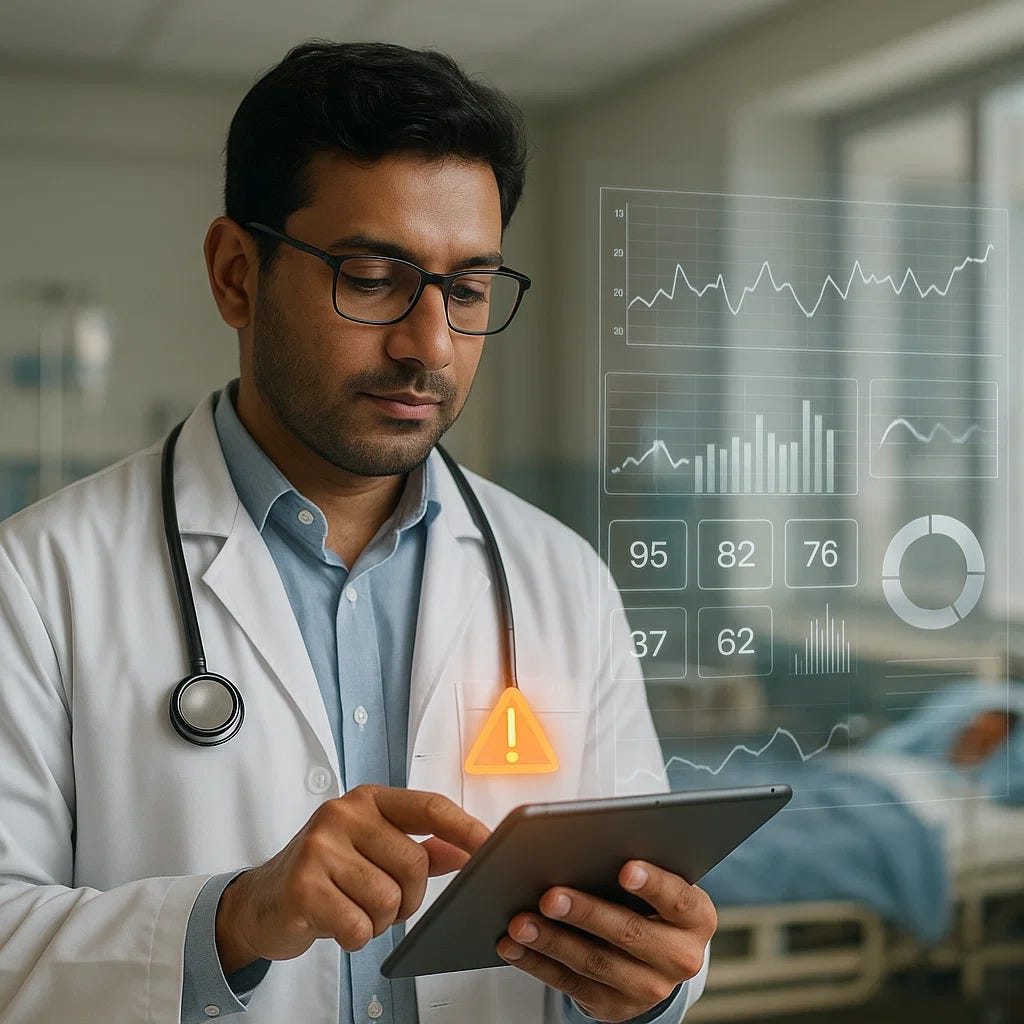
Doctors make hundreds of decisions daily, and while experience guides them, they now have quiet support from their systems. IPD software powered by predictive analytics reviews patient history, real-time vitals, and lab results in the background.
It might not speak unless necessary, but when it does, it matters.
At a small cardiac care center in Nagpur, the software flagged a patient for potential complications based on minor but consistent drops in oxygen levels. The attending physician took a second look, caught an issue early, and adjusted the plan. That alert may have prevented an ICU admission.
Staffing Based on Reality, Not Hope
No one wants to be on a shift that’s short-staffed. And yet, without knowing how many patients might walk in, it’s tough to plan. That’s where IPD management software makes a difference — by looking ahead.
By analyzing admission trends, seasonal illnesses, and even historical staffing patterns, the system helps administrators schedule shifts with better accuracy. One hospital in Bhopal started using this method and saw fewer emergency calls for backup. Nurses knew what to expect. Managers had fewer headaches. Patients didn’t wait for care.
Supplies Arrive Before the Shortage
Running out of basic items — syringes, gloves, or IV fluids — is more common than most patients realize. But now, systems inside IPD software quietly track usage rates and send alerts before stock gets low.
This has saved both money and stress. A hospital in Kerala began seeing alerts like: “You’ll need 40 more IV kits by Friday.” Procurement placed early orders, avoided last-minute courier costs, and kept the floor stocked. It’s not just inventory — it’s foresight.
Queue Bottlenecks Get Solved Before They Start
Nobody likes waiting hours for a scan or standing in a billing queue that barely moves. Smart IPD platforms now monitor foot traffic across departments, compare it with past data, and make real-time suggestions.
We’ve seen hospital reception teams adjust token systems mid-day based on what their IPD tool showed them. One radiology department even shifted appointment blocks by just 15 minutes and cut average wait time by half.
These small moves have big effects when backed by real data.

Patients at Risk Get Quietly Flagged
You don’t always see a problem forming — but the system might. Predictive analytics compares incoming data like blood pressure, heart rate, and lab results against thousands of past cases. When it spots something unusual, it lets the care team know.
This doesn’t replace judgment — it strengthens it.
A hospital in Indore told us about a patient recovering well on the surface, but flagged by the system as “watch closely.” Within hours, early signs of sepsis appeared. The team caught it in time. That flag wasn’t noise — it was life-saving signal.
Departments That Finally Speak to Each Other
Hospitals often struggle with coordination. Pharmacy doesn’t know when the discharge will happen. Billing isn’t aware of pending scans. Nurses get left guessing.
That’s changed with smarter IPD software. Predictive systems now connect dots that were once isolated. When a discharge is expected, the lab is notified to fast-track the final test. The pharmacy gets a heads-up. The billing desk clears dues early.
It’s smoother. Not perfect, but closer than ever.
Hospitals Are Already Feeling the Shift
This isn’t theory. It’s practice. Across India, both small and large hospitals using predictive IPD management software are seeing real improvements:
- Shorter wait times at discharge
- Better staff coverage on peak days
- Less wastage in supplies
- Early intervention in high-risk cases
- And most importantly — quieter days for patients and staff
The difference isn’t dramatic. It’s in the calm. In how the ward doesn’t feel rushed. In how the nurse finishes her shift on time. In how the family gets to take their loved one home without delays.
Not the Future — It’s the Present
Predictive analytics doesn’t shout for attention. It sits in the background, running numbers, spotting trends, and giving the hospital a head start. It’s the invisible hand that brings clarity to the unpredictable.
In 2025, the hospitals moving ahead aren’t just bigger — they’re better at planning. And it’s their IPD software, quietly forecasting the future, that’s helping them do it.
메타데이터
- post_id
- baf4c61e2bf2
- slug
- hospitals-are-getting-smarter-how-predictive-analytics-is-quietly-reshaping-ipd-software-in-2025-baf4c61e2bf2
- url
- https://medium.com/@somnath.chakraborty_62445/hospitals-are-getting-smarter-how-predictive-analytics-is-quietly-reshaping-ipd-software-in-2025-baf4c61e2bf2
- canonical_url
- https://medium.com/@somnath.chakraborty_62445/hospitals-are-getting-smarter-how-predictive-analytics-is-quietly-reshaping-ipd-software-in-2025-baf4c61e2bf2
- author_url
- https://medium.com/@somnath.chakraborty_62445
- status
- ok
- fetched_at
- 2026-07-28 20:00:24