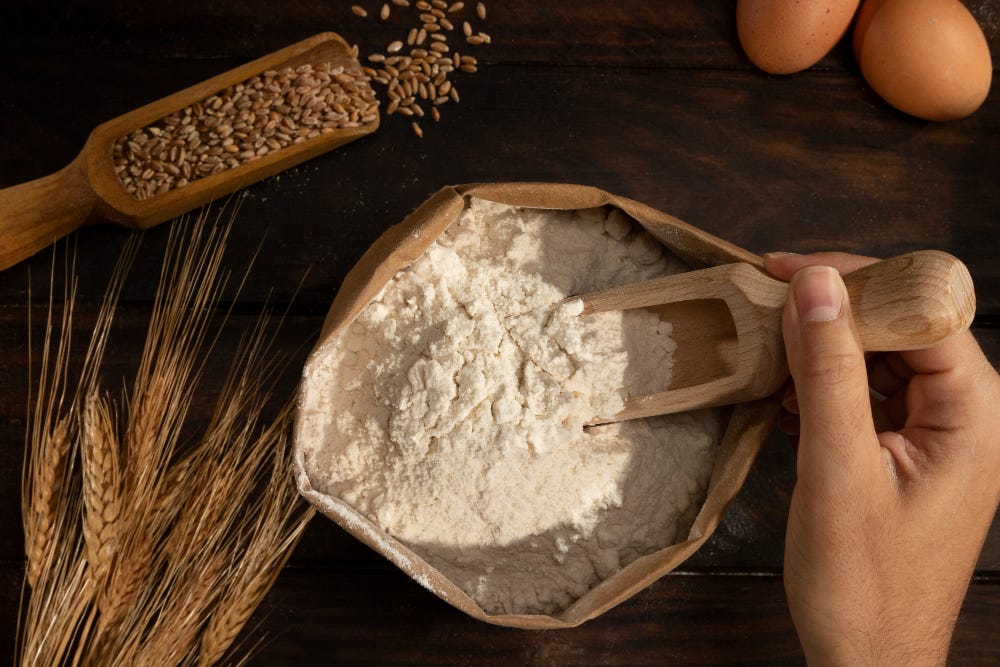
How T55 Flour Quality Impacts Texture and Flavour in Professional Baking
In professional baking, flour is more than just a base ingredient; it’s the foundation of structure, texture, and flavour. Even slight…
How T55 Flour Quality Impacts Texture and Flavour in Professional Baking

In professional baking, flour is more than just a base ingredient; it’s the foundation of structure, texture, and flavour. Even slight variations in flour quality can transform a product’s crust, crumb, and aroma. For chefs, bakers, and HORECA professionals, understanding how these subtle differences influence dough performance is essential for precision and consistency in every bake.
Understanding T55 Flour
Before examining quality factors, it’s essential to define our key subject. T55 is a standard type of French wheat flour, classified by its ash content. The “55” indicates that approximately 0.55% of mineral ash remains after burning a sample of the flour. This places it in a balanced middle ground: it’s more refined than wholegrain flours but retains more of the wheat’s natural character than highly processed white flours. This balance makes T55 a preferred choice for classic French breads like baguettes, offering a light crumb with subtle complexity and a golden crust.
The Science Behind Flour Quality and Performance
Flour may appear simple, but it holds remarkable complexity. Wheat variety, growing conditions, and milling methods all influence protein composition, enzyme activity, and absorption rate. These attributes directly affect dough elasticity, fermentation, and the final texture of baked goods.
Even a small variation in protein content can make a noticeable difference. For example, baguettes made with slightly higher protein flour develop a firmer bite, while those made with lower protein flour yield a softer, more tender crumb. Understanding these differences is key to producing consistent, high-standard results.
How Protein Content in Flour Affects Dough Texture
Protein content forms the backbone of gluten development. Glutenin and gliadin proteins determine dough strength and elasticity, both vital for structure and handling.
Two flours with identical protein percentages can behave differently depending on gluten quality. In laminated doughs such as croissants or puff pastry, this balance is crucial:
- Too much elasticity causes shrinkage and uneven layering.
- Too much extensibility prevents proper steam trapping and lift.
For artisan breads, protein quality dictates gas retention, oven spring, and crumb structure hallmarks of refined baking.
Pro Tip: If your dough resists shaping or feels too tight, let it rest slightly longer. Resting allows gluten to relax, improving flexibility without losing strength.
Ash Content, Extraction, and the Colour of T55 Flour
Ash content measures the mineral residue left after flour combustion essentially, how much of the bran and germ remains after milling.
- Low-ash flours are lighter in colour, producing refined doughs with delicate flavour.
- Higher-ash flours are richer in minerals, offering more depth and character.
T55 flour strikes the ideal balance for artisan breads: refined enough for lightness, yet rich enough to deliver flavour. In contrast, wholegrain flours with higher ash levels provide greater complexity and nutritional value.
Pro Tip: For added flavour without heaviness, blend 10–15% high-ash flour into your T55 base. It adds depth while maintaining a fine crumb.
Flour Water Absorption and Dough Performance
Water absorption is a crucial factor in dough consistency and handling. Even small variations in protein structure or starch damage during milling can change how much water a flour absorbs.
- High starch damage: absorbs more water but creates stickier dough.
- Low starch damage: leads to smoother dough but needs careful hydration control.
Experienced bakers adjust hydration, mixing time, and fermentation according to the flour’s behaviour, a skill that separates experts from amateurs.
Pro Tip: If the dough feels sticky after mixing, resist adding too much flour immediately. Allow a few minutes for full water absorption; this often resolves stickiness naturally.
Enzymes in Flour
Enzymes play a vital role in baking, directly affecting texture, fermentation, and flavour development.
- Amylase breaks down starch into sugars, feeding yeast and enhancing crust colour and sweetness.
- Protease relaxes gluten, improving dough flexibility and crumb tenderness.
Too little enzyme activity can result in pale crusts and weak fermentation, while excessive activity may cause overproofing and sticky doughs. Professional kitchens often monitor enzyme activity (e.g., using the falling number test) to fine-tune fermentation timing.
Pro Tip: If you notice dull crusts and sluggish fermentation, try using a preference like poolish. It balances enzyme activity naturally while deepening flavour.
Flavour
Texture defines structure, but flavour defines the experience. The aroma and taste of baked goods depend on wheat variety, soil composition, and storage conditions. Heritage wheats and stone-milled flours often carry richer, nuttier notes, while highly refined flours offer gentle sweetness and delicacy.
Even flour ageing matters: naturally aged flour develops a deeper, more balanced flavour through oxidation, while freshly milled flour can behave unpredictably. In professional baking, flour is not just an ingredient it’s a sensory component that shapes the final outcome.
Milling Consistency and Its Impact
Consistent milling is essential for predictable dough performance. Even with advanced milling methods, subtle variations in grind size affect hydration and texture.
- Fine milling promotes quick hydration and smooth texture but may reduce chewiness.
- Coarse milling adds rustic character but can challenge gluten formation.
For pastries, uniform particle size ensures clean lamination. For artisan breads, slight variability can enhance flavour and crumb showing that precision in flour can come from well-managed variation.
Quality Control and Adaptation in Professional Kitchens
Because no two batches of flour are identical, professional kitchens treat flour as a dynamic ingredient. Leading bakeries conduct bake tests, track hydration levels, and adjust fermentation schedules to maintain consistency. Collaboration with trusted millers and suppliers provides reliable data and stable flour performance.
By adapting their process to each batch’s characteristics, bakers turn natural variation into creative skill rather than inconsistency.
Pro Tip: Maintain a simple flour log track protein levels, hydration percentages, and proofing times. This creates a valuable reference for future adjustments.
Balancing Art and Science in Baking
Flour quality management demands both technical accuracy and sensory awareness. Laboratory analysis can reveal protein, ash, and enzyme levels, but it’s a baker’s intuition that translates those numbers into exceptional dough.
The art of baking lies in reading the dough: its feel, elasticity, aroma, and behaviour during proofing. Whether crafting a baguette, croissant, or mille-feuille, the baker’s touch transforms simple ingredients into something extraordinary.
Conclusion
Small variations in flour quality have a powerful impact on professional baking. From gluten strength and enzyme activity to water absorption and flavour, every detail influences the final result. For chefs, bakers, and HORECA professionals, mastering the qualities of flour, especially adaptable blends like T55 flour, is key to delivering consistent, high-quality outcomes.
Behind every crumb, crust, and aroma lies a dialogue between nature and craft, guided by those who truly understand the language of flour.
Read More Related Blogs
***Why T55 Flour Is the Secret to Authentic French Baguettes?***
메타데이터
- post_id
- bafabf58f52c
- slug
- how-t55-flour-quality-impacts-texture-and-flavour-in-professional-baking-bafabf58f52c
- url
- https://medium.com/@swissbakeindia/how-t55-flour-quality-impacts-texture-and-flavour-in-professional-baking-bafabf58f52c
- canonical_url
- https://medium.com/@swissbakeindia/how-t55-flour-quality-impacts-texture-and-flavour-in-professional-baking-bafabf58f52c
- author_url
- https://medium.com/@swissbakeindia
- status
- ok
- fetched_at
- 2026-07-28 05:39:03