Thoughts On The U.S. Bombing Of Iran’s Nuclear Facilities
Resources Used. The resources used were impressive and surprising.
Thoughts On The U.S. Bombing Of Iran’s Nuclear Facilities
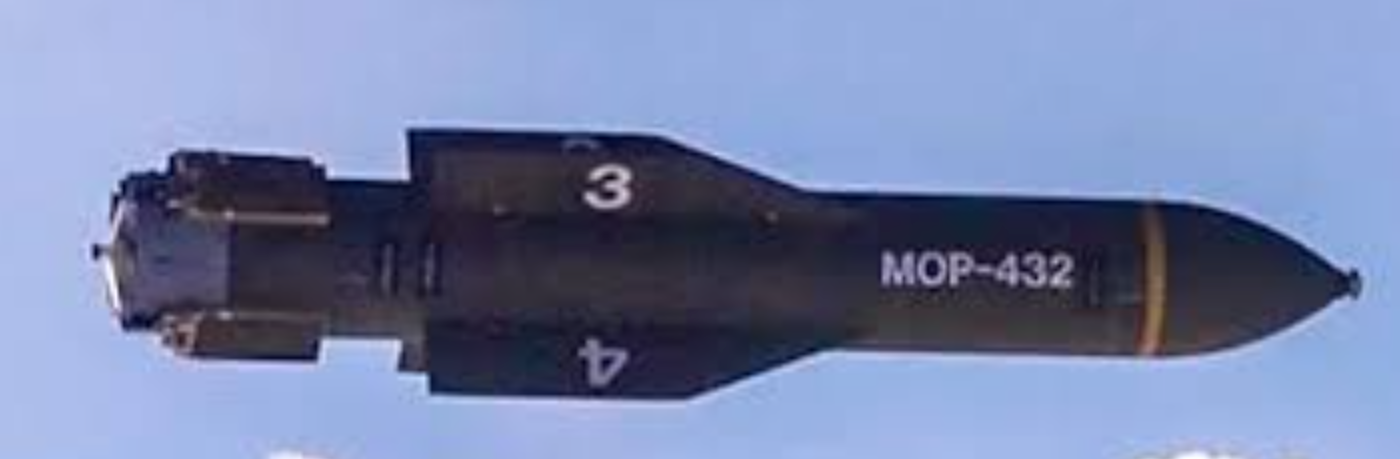
The GBU-57, AKA Massive Ordinary Penetrator (MOB). We may only have a few of these left.
Resources Used. The resources used were impressive and surprising.
- Number of B-2 bombers: It appears about 12 were used. Some flew West as decoys, while seven flew East and attacked Iran. Significance: The United States has only about 18 operational B-2s. We appear to have used two-thirds of our total capability, though some as decoys. If you wonder why we have so few, the answer is simple. They cost $2 billion each.
- Massive Ordinance Penetrator (MOB): 16 were used. The number of MOBs in our inventory is as few as 20, the highest I’ve seen reported is 30. We may have used up over half out inventory last night, or even almost the entire inventory. The bomb cost at least $25 million each. Meaning the cost for these bombs alone were nearly half a billion dollars.
- Tomahawk Cruise Missiles launched from American submarines, reports agree 30 were used. We have about 4,000 of these but they do cost $2 million each. $60 million in cruise missiles for this mission.
- About 120 more aircraft, including fighters striking Iranian air defense systems. Numerous tankers were also deployed to refuel the bombers and other aircraft.
Total Cost: The B-2 is exceptionally difficult to maintain. Each aircraft flew a nearly 40 hour mission, refueling in the air. They will now require literally days of maintenance each. With all the other assets involved, it is quite conceivable that this attack cost over $1 billion.
The Impact. The United States targeted three key Iranian nuclear facilities, to include the big prize Fordow which appears to have been targeted with 6–7 MOBs itself. Trump claims all the targets were obliterated. Iran claims only entrances were damaged and the facilities unhurt. Trump really can’t know yet how successful the strikes (against facilities 200 or more feet deep) were, and Iran would certainly lie to minimize the losses. It’s also possible that much of the equipment could have been removed and dispersed before the strikes. It’s also possible Iran has other nuclear facilities we don’t know about.
Assuming the facilities were destroyed Iran’s nuclear program might be effectively stopped, but only for a couple or few years. A determined Iran could rebuild the program in that time. Ending Iran’s nuclear program ultimately hinges on ending Iran’s resolve to have one.
Iranian Response: Attention now shifts to the question of how Iran will respond. Let’s consider some options and the problems with each.
- Close The Strait of Hormuz: Perhaps the strongest step Iran could take it would send oil prices through the roof. The strait is so narrow and close to Iran that closing it, at least for a time, is still well within Iran’s military capabilities.
Problems: Closing the Strait of Hormuz would be most devastating, perhaps, to Iran’s own economy. Iran needs oil flowing through that strait as much as anybody. Closing the strait would also risk angering Iran’s Arab neighbors who may well respond militarily, the last thing an increasingly isolated Iran needs now is more enemies.
- Militarily Target American Assets: Iran could use its dwindling supply of missiles and drones to target American military bases in the region, or Navy ships. Iran could attempt to use its militia proxy the Houthis in this cause.
Problems: Houthis have already tried to hit American Navy ships with missiles and drones and the United States Navy has shown itself to be quite capable of defending itself against such attacks. Iran may have a bit more capability, but not much. Attacks against American bases in the region will risk further alienating the countries those bases are in. Assets used to attempt attacks on American forces will reduce Iran’s dwindling supply of missiles and drones with which to attack Israel. Any such attacks invite a disproportionate response from the United States.
- Terrorism: In the long term Iran could target the United States itself, or American targets in the region, for terrorist attacks. Terrorism has long been Iran’s preferred policy.
Problems: Iran’s primary terrorist militias, Hamas and Hezbollah, have been substantially degraded by Israel. That leaves the Houthis, whose attacks on the United States Navy have failed. One of my growing concerns is the use of mass drone attacks (as Israel and Ukraine have done militarily) as terrorism in our country. In the long term Iran may be able to do something like that against the United States. However, such options are not likely to exist in the short term.
Conclusion: Iran does not have a lot of good short term options here. So far their response has been a lot of bluster. We will see if they can offer more.
메타데이터
- post_id
- bb1e3632befb
- slug
- thoughts-on-the-u-s-bombing-of-irans-nuclear-facilities-bb1e3632befb
- url
- https://medium.com/@keithdb/thoughts-on-the-u-s-bombing-of-irans-nuclear-facilities-bb1e3632befb
- canonical_url
- https://medium.com/@keithdb/thoughts-on-the-u-s-bombing-of-irans-nuclear-facilities-bb1e3632befb
- author_url
- https://medium.com/@keithdb
- status
- ok
- fetched_at
- 2026-06-22 17:31:34