Isolation, Exploitation, and the Loss of Social Values Among Nigerian Youth
Many people in Nigeria today grow up in an environment where survival, competition, and social status shape the way they relate with…
Isolation, Exploitation, and the Loss of Social Values Among Nigerian Youth
Many people in Nigeria today grow up in an environment where survival, competition, and social status shape the way they relate with others. Because of this, some individuals develop the mindset that being ahead of another person is more important than building genuine relationships. In many situations, kindness is no longer seen as strength. A person who supports others sincerely, speaks with honesty, or refuses to engage in harmful behavior can easily be viewed as weak, naïve, or unrealistic by some peers, especially among parts of the Gen Z generation influenced by unhealthy social values.
A person who is always available, easygoing, caring, and open to helping others may gradually become taken for granted. When there are no boundaries in relationships, people may begin to exploit that kindness instead of respecting it. Society often attaches value to people who appear difficult to access, emotionally distant, or socially dominant, while those who show consistent care are sometimes treated as if they lack importance. This creates a culture where manipulation becomes common and genuine concern for others becomes rare.
Friendship itself has also changed in many circles. Advising friends against harmful actions such as dishonesty, immorality, betrayal, or destructive behavior can make someone appear “too holy” or “different.” Instead of reflecting on positive advice, some individuals respond with mockery or segregation. They may interpret moral discipline as pride or self-righteousness. This shows a gradual decline in shared social values, where correction and accountability are rejected, while destructive lifestyles are normalized.
For example, when a group intends to engage in immoral acts such as adultery or other harmful behavior, the individual who refuses participation may immediately become isolated from the group. Rather than respecting personal principles, some people label such a person as strange or disconnected from reality. This reveals a wider social issue: society is slowly losing appreciation for discipline, integrity, restraint, and mutual respect.

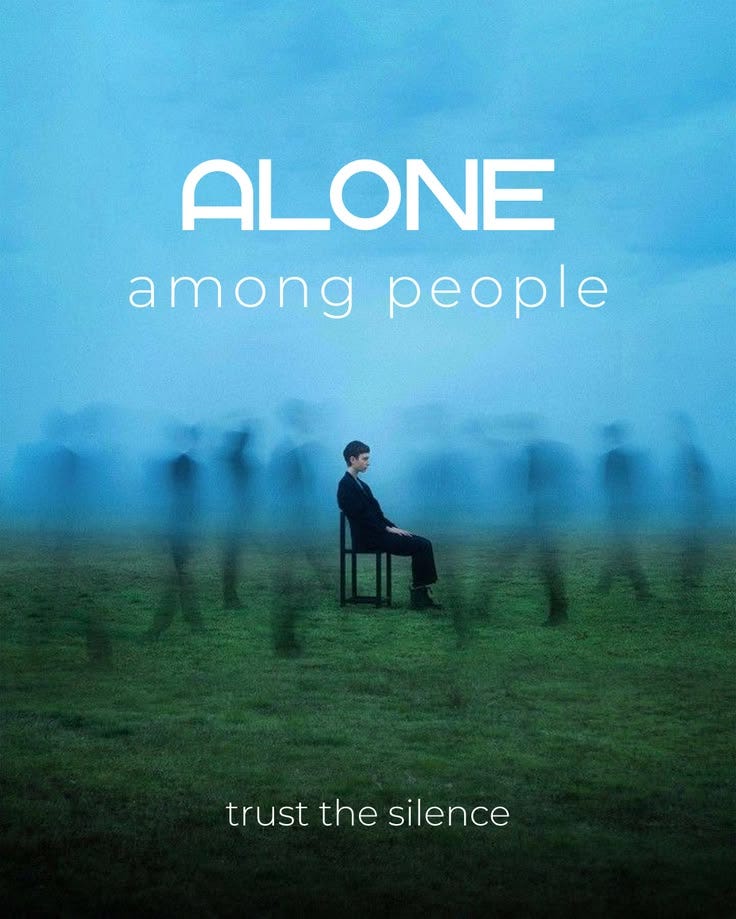
Another growing issue is emotional and social isolation. Many young people no longer maintain deep concern for one another. Personal survival, individual comfort, and private interests now dominate many relationships. People increasingly prefer isolation and self-dependence, believing they do not need others emotionally or socially. While independence can help personal growth and focus, excessive isolation weakens human connection. Individuals become disconnected from empathy, community, and shared responsibility.
Human beings are naturally social. No one can completely live alone without emotional interaction, advice, understanding, or companionship. Even the strongest individuals experience moments of confusion, emotional stress, mental pressure, or internal struggles. During such periods, communication and healthy relationships become important. Speaking with others, sharing experiences, and receiving support can help prevent emotional breakdown and loneliness.
One practical solution to these issues is community development and community management. Communities should encourage healthy interaction, mutual support, accountability, and cooperation among people. Religious teachings, moral education, mentorship, and social awareness programs can also help rebuild the culture of compassion and responsibility. Preaching love, respect, and understanding within homes, schools, religious centers, and online spaces can gradually reduce hostility and emotional separation among people.
Social bonding also matters. Spending time with others, communicating openly, and building trust can strengthen relationships and reduce feelings of isolation. Positive interaction creates understanding between individuals and reminds people that life is not meant to be lived entirely alone. Human beings were created to coexist, support one another, and grow together socially and emotionally.
At the same time, isolation itself is not entirely negative. Solitude can help a person focus, reflect, heal, and protect personal peace. Some people become successful through discipline and controlled separation from distractions. However, isolation should not become permanent emotional disconnection from society. There must be balance. A person may value privacy and independence, yet still maintain healthy communication and relationships with others.
In the end, society functions better when people combine personal discipline with human connection. Kindness should not be mistaken for weakness, and moral principles should not become reasons for exclusion. Communities grow stronger when individuals respect boundaries, value sincerity, and understand that emotional support and human interaction remain necessary parts of life.
메타데이터
- post_id
- bb21c6f824a2
- slug
- isolation-exploitation-and-the-loss-of-social-values-among-nigerian-youth-bb21c6f824a2
- url
- https://medium.com/@haajmuskid/isolation-exploitation-and-the-loss-of-social-values-among-nigerian-youth-bb21c6f824a2
- canonical_url
- https://medium.com/@haajmuskid/isolation-exploitation-and-the-loss-of-social-values-among-nigerian-youth-bb21c6f824a2
- author_url
- https://medium.com/@haajmuskid
- status
- ok
- fetched_at
- 2026-06-26 21:52:29

