The Slow Apocalypse: Goodbye, Dragon Inn and Monrovia, Indiana
Tsai Ming-Liang’s 2003 classic Goodbye, Dragon Inn and Frederick Wiseman’s 2018 documentary Monrovia, Indiana seem, on the surface, like…
The Slow Apocalypse: Goodbye, Dragon Inn and Monrovia, Indiana
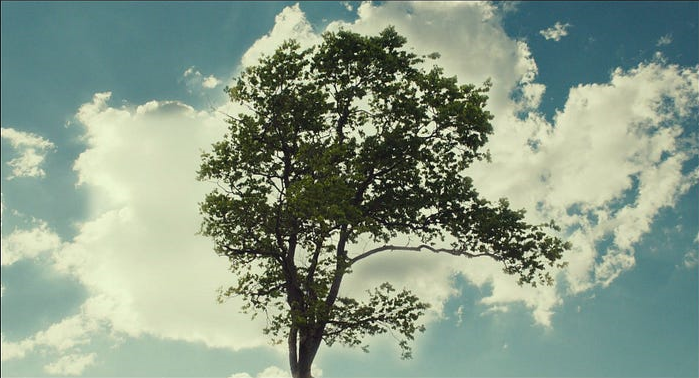
Tsai Ming-Liang’s 2003 classic Goodbye, Dragon Inn and Frederick Wiseman’s 2018 documentary Monrovia, Indiana seem, on the surface, like two vastly different pieces of cinema. In terms of style and form, this statement is mostly true. Monrovia shows a town filled with people who love to talk, while Inn is nearly wordless. Despite this fundamental difference, both films deal with a similar subject matter: succumbing to age in a world that’s leaving you in the past.
Monrovia is a film that places importance on the aging people in the town. A key scene in the film takes place at a coffee shop. Three men sit at a table and discuss different people they all know. Donna Henshaw died, Ronnie Kenward too. Mike is in bad shape, his brother Rodney’s got cancer. As the men reminisce over all these people, they tell themselves that they’re ‘pretty lucky’, but the looks on their faces indicate a silent acknowledgement that it can happen to any one of them too. In another scene at the coffee shop, a different old man outright states “I still don’t have the zip I ought to have. I’m runnin’ outta gas.” The older members of the Monrovia town council live in quiet fear of new people moving to the town. They’re getting too old for the change that’s coming to their town.

Goodbye, Dragon Inn’s central figure is not a human, it is a movie theater in Taipei. The film begins by showing the theater in its prime, packed to its limits with an audience watching King Hu’s Dragon Inn. On the theater’s final night, this very same film is playing. The cavernous theater is lacking in customers except for the guys using it as a cruising spot and the film’s other key figures, Shih Chun and Miao Ten, who starred alongside one another in the aforementioned Dragon Inn. They watch themselves projected on this massive screen, reliving their glory days one more time. The two actors come across each other in the theater’s lobby after the film. They talk to each other very briefly and Shih Chun delivers one of the most devastating lines of dialogue in cinematic history: “No one goes to the movies anymore, and no one remembers us anymore.” The glory days are over, and the era that these actors and this theater belong to is dying.

Goodbye, Dragon Inn’s final shot
The films slowly end in death. While in Monrovia it’s a literal funeral (including the entire process of the casket slowly being lowered to the ground), Inn ends with the death of the movie theater as the ticket woman slowly walks away from it, her potential connection with the theatre’s projectionist dying with it. While Monrovia, Indiana’s final shot after the funeral is quiet, the death of the theater in Goodbye, Dragon Inn is marked by a loud rainstorm, one final stream of tears before the apocalypse.
This piece was originally written for The Servant zine.
메타데이터
- post_id
- bb3be9610341
- slug
- the-slow-apocalypse-goodbye-dragon-inn-and-monrovia-indiana-bb3be9610341
- url
- https://medium.com/@emmygraciahernandez/the-slow-apocalypse-goodbye-dragon-inn-and-monrovia-indiana-bb3be9610341
- canonical_url
- https://medium.com/@emmygraciahernandez/the-slow-apocalypse-goodbye-dragon-inn-and-monrovia-indiana-bb3be9610341
- author_url
- https://medium.com/@emmygraciahernandez
- status
- ok
- fetched_at
- 2026-07-19 10:33:50




