Post Surgery Rehabilitation: Comprehensive Exercise Programs, Innovative Therapies, and Optimised…
Post surgery rehabilitation is a critical, clinically guided process focused on restoring physical function, mobility, and strength…
Post Surgery Rehabilitation: Comprehensive Exercise Programs, Innovative Therapies, and Optimised Recovery Pathways

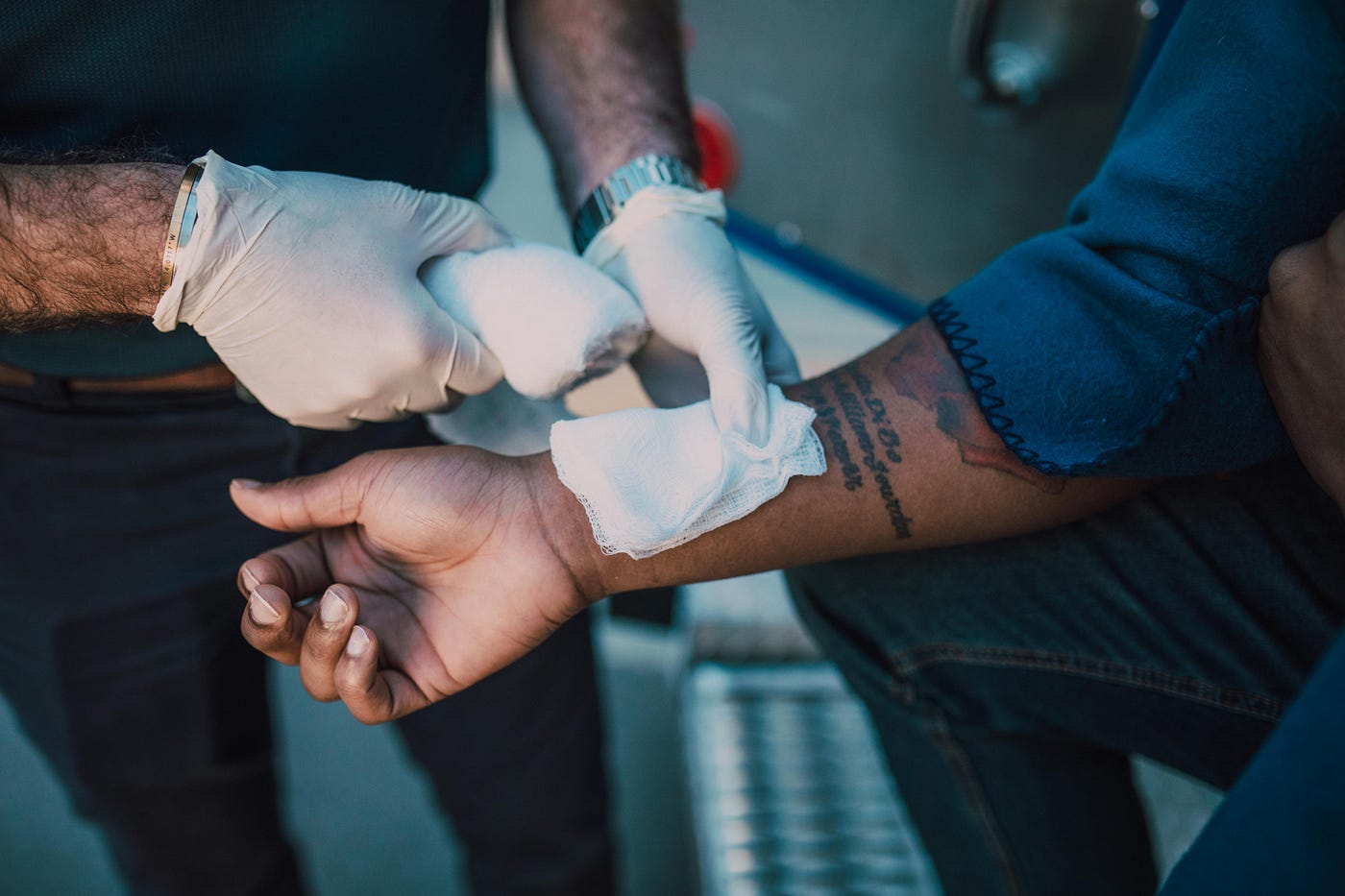
Designed By Pexel’s
Post surgery rehabilitation is a critical, clinically guided process focused on restoring physical function, mobility, and strength following surgical procedures. A well-structured rehabilitation plan not only accelerates recovery but also minimizes complications and supports long-term functional independence. This in-depth resource delivers a refined perspective on post surgery rehabilitation, combining structured physiotherapy protocols with robotic rehabilitation therapy to achieve precise, measurable, and sustainable outcomes.
Structured Stages of Post Surgery Rehabilitation
Successful post surgery rehabilitation follows a phased progression, with each stage addressing specific physiological and functional goals to ensure safe and effective recovery.
Early Recovery Phase: Stabilisation and Symptom Control
The initial phase begins immediately after surgery and concentrates on safeguarding the surgical site while reducing discomfort and inflammation.
Core interventions include:
- Swelling management through controlled cooling and compression
- Gentle assisted movements to maintain joint integrity
- Respiratory and circulation exercises to support systemic recovery
- Guided early mobility to prevent secondary complications
This phase establishes the foundation for long-term functional improvement.
Progressive Recovery Phase: Movement and Strength Rebuilding
As tissue healing advances, rehabilitation strategies evolve to restore controlled movement and muscular activation.
Primary objectives involve:
- Gradual restoration of active joint mobility
- Introduction of low-resistance strengthening exercises
- Postural alignment and movement pattern correction
- Neuromuscular coordination training
This stage enhances biomechanical efficiency and prepares patients for functional tasks.
Functional Reintegration Phase: Performance and Independence
The final rehabilitation phase emphasizes restoring the ability to perform daily activities confidently and safely.
Key elements include:
- Task-specific strength conditioning
- Dynamic balance and stability training
- Cardiovascular endurance development
- Activity simulations aligned with lifestyle or occupational demands
Patients progress toward full functional reintegration with reduced risk of reinjury.
Targeted Exercise Strategies in Post Surgery Rehabilitation
Exercise selection within post surgery rehabilitation is based on surgical type, healing status, and individual functional goals.
Mobility and Flexibility Training
- Assisted and active joint movements
- Controlled stretching protocols
- Soft tissue mobility exercises
These techniques preserve joint range and prevent postoperative stiffness.
Strength Development Programs
- Early-stage isometric muscle activation
- Progressive resistance training with controlled loading
- Functional closed-chain exercises for joint support
Strength training restores stability and enhances movement efficiency.
Balance and Neuromuscular Control
- Static and dynamic balance drills
- Proprioceptive retraining exercises
- Coordinated movement tasks
These exercises re-establish motor control and reduce fall risk.
Advanced Therapeutic Interventions in Post Surgery Rehabilitation
Modern post surgery rehabilitation integrates specialised therapies that enhance recovery precision and clinical outcomes.
Hands-On Clinical Techniques
- Soft tissue release to improve circulation
- Scar mobility techniques to prevent adhesions
- Joint mobilisation within surgical safety parameters
These methods optimise tissue health and movement quality.
Robotic Rehabilitation Therapy: Technology-Driven Recovery Precision
Robotic rehabilitation therapy represents a significant advancement in post surgery rehabilitation by delivering controlled, repetitive, and data-driven movement training. Robotic systems assist or resist movement based on patient capability, ensuring accuracy and consistency throughout rehabilitation sessions.
Clinical advantages include:
- Precisely guided motion with adjustable intensity
- Continuous feedback for performance optimisation
- High-repetition training that supports neuromuscular adaptation
- Objective progress tracking to refine treatment plans
Robotic rehabilitation therapy is especially valuable following joint replacement, orthopedic, and neurological surgeries where precision and repetition are essential for optimal recovery.
Pain Control and Symptom Management During Rehabilitation
Effective symptom management supports uninterrupted participation in post surgery rehabilitation programs.
Integrated strategies involve:
- Therapeutic modalities such as electrical stimulation and ultrasound
- Gradual progression of exercise intensity
- Education on posture, movement efficiency, and activity pacing
This approach promotes comfort while maintaining functional momentum.
Nutritional and Lifestyle Support for Enhanced Recovery
Systemic health plays a vital role in post surgery rehabilitation outcomes.
Key considerations include:
- Adequate protein intake to support tissue regeneration
- Essential micronutrients that promote bone and muscle health
- Consistent hydration for joint and soft tissue function
- Quality sleep to facilitate cellular repair
These factors complement physical rehabilitation and accelerate recovery.
Progress Evaluation and Risk Reduction
Continuous monitoring is fundamental to effective post surgery rehabilitation.
Assessment strategies include:
- Functional performance testing
- Strength and mobility reassessments
- Movement quality analysis
- Early identification of compensatory patterns
Ongoing evaluation ensures timely program adjustments and sustained recovery progression.
Long-Term Benefits of a Structured Rehabilitation Approach
A comprehensive post surgery rehabilitation program delivers enduring benefits, including:
- Lower incidence of postoperative complications
- Faster restoration of functional capacity
- Improved joint stability and movement control
- Enhanced quality of life and physical confidence
The integration of robotic rehabilitation therapy further elevates rehabilitation outcomes by ensuring precision, consistency, and patient engagement.
Final Perspective
Post surgery rehabilitation is a decisive component of successful surgical outcomes. Through phase-based rehabilitation planning, targeted exercise prescription, advanced therapeutic techniques, and robotic rehabilitation therapy, patients achieve efficient, safe, and lasting recovery. A comprehensive and clinically aligned rehabilitation strategy supports optimal functional restoration and long-term physical resilience.
메타데이터
- post_id
- bb48a64c9b1b
- slug
- post-surgery-rehabilitation-comprehensive-exercise-programs-innovative-therapies-and-optimised-bb48a64c9b1b
- url
- https://medium.com/@socialmedia.concisemedico/post-surgery-rehabilitation-comprehensive-exercise-programs-innovative-therapies-and-optimised-bb48a64c9b1b
- canonical_url
- https://medium.com/@socialmedia.concisemedico/post-surgery-rehabilitation-comprehensive-exercise-programs-innovative-therapies-and-optimised-bb48a64c9b1b
- author_url
- https://medium.com/@socialmedia.concisemedico
- status
- ok
- fetched_at
- 2026-06-09 15:37:30