Iran Strikes, Hormuz Blockade, and Israel’s Siege Expose U.S. Power Limits in West Asia
From the Kuwait airport strike to the Gaza war updates, Trump’s failed Iran negotiations reveal waning U.S. leverage
Iran Strikes, Hormuz Blockade, and Israel’s Siege Expose U.S. Power Limits in West Asia
From the Kuwait airport strike to the Gaza war updates, Trump’s failed Iran negotiations reveal waning U.S. leverage
Iran strikes, the Strait of Hormuz blockade, and Israel’s siege expose America’s limits. Kuwait airport strike, Gaza war updates, and Brent Crude surge highlight the biggest economic shock in five decades. As Trump’s Iran negotiations stall, allies question U.S. bases, and global supply chains tremble under tanker blockade and oil market volatility.
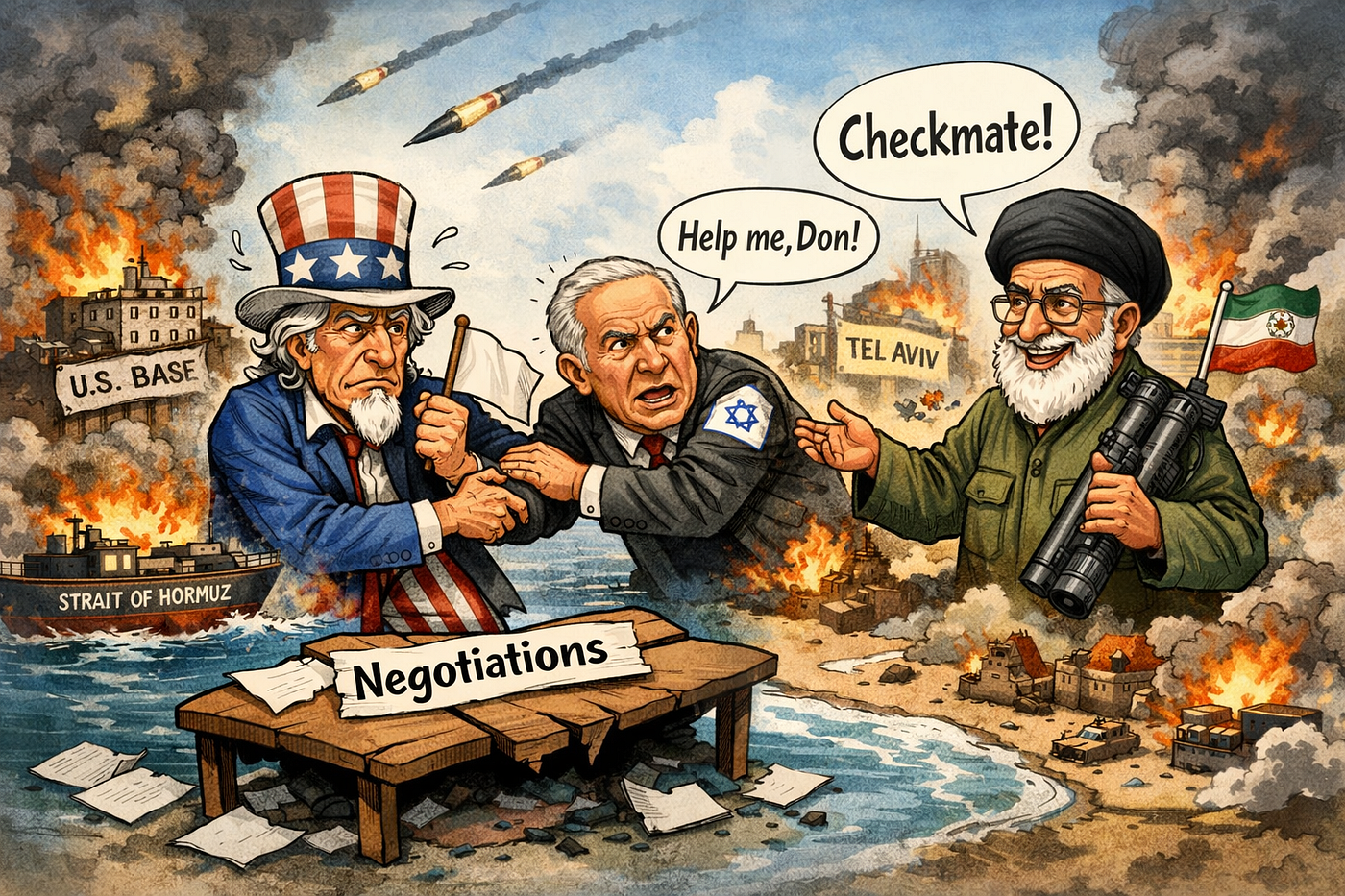
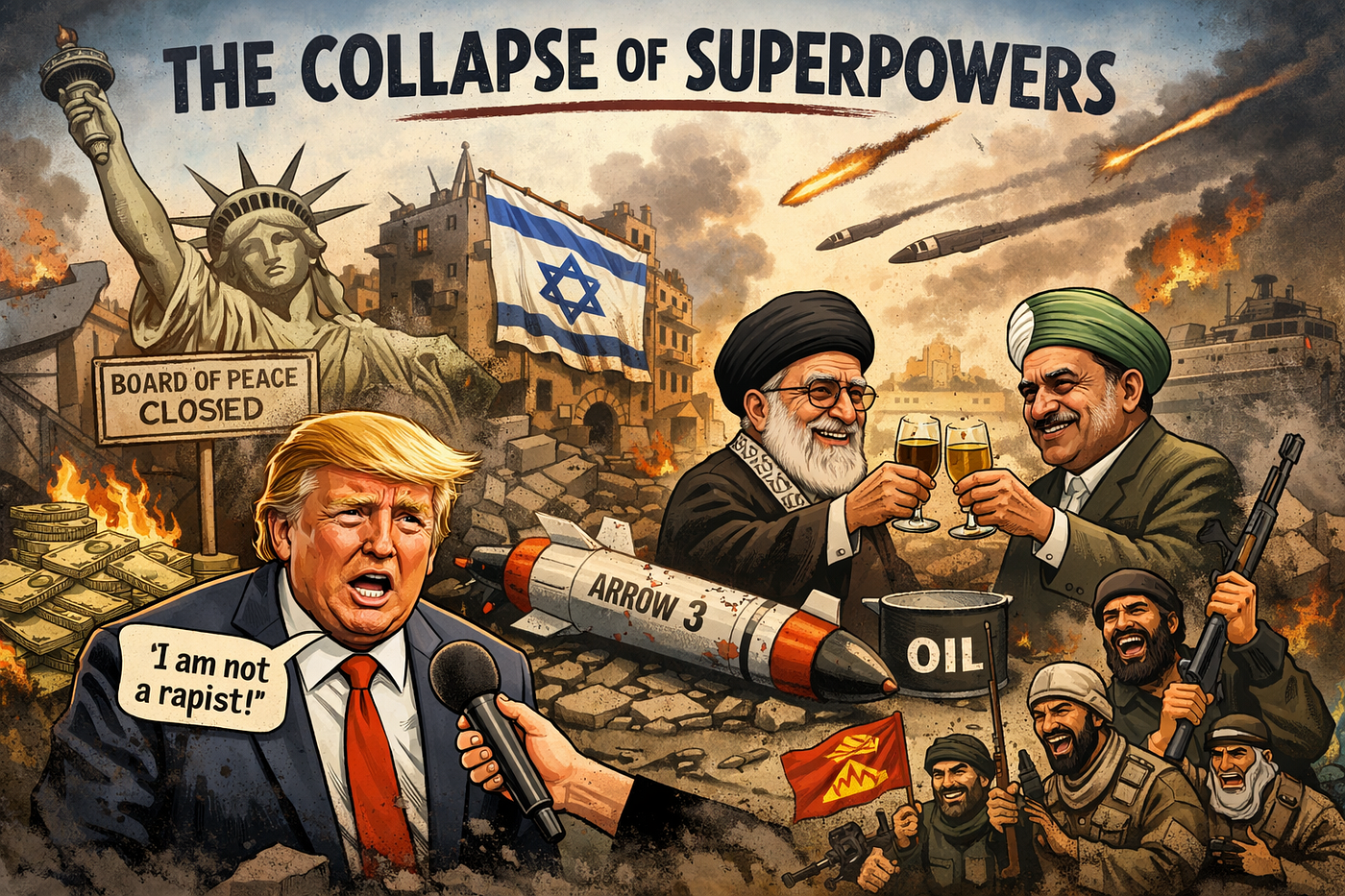
AI-generated image. Negotiations in Ruins: Uncle Sam shields himself as Netanyahu pleads for help, while Iran declares ‘Checkmate’ over a burning Gulf and besieged Israel.
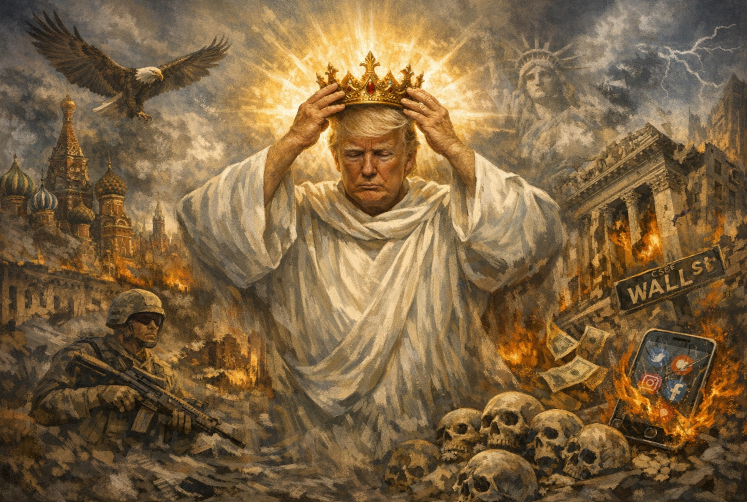
You can distil the essence of the crisis: America, once the architect of order, now sits at a broken table, shielding itself from the very missiles it thought would enforce dominance. Israel, once confident, clings desperately to U.S. protection. Iran, resilient and defiant, dictates the tempo of war and commerce. This is a mirror of power inversion, where bombs no longer silence but amplify the voices of resistance.
Iran Strikes and America’s Mirage Shattered 🌍
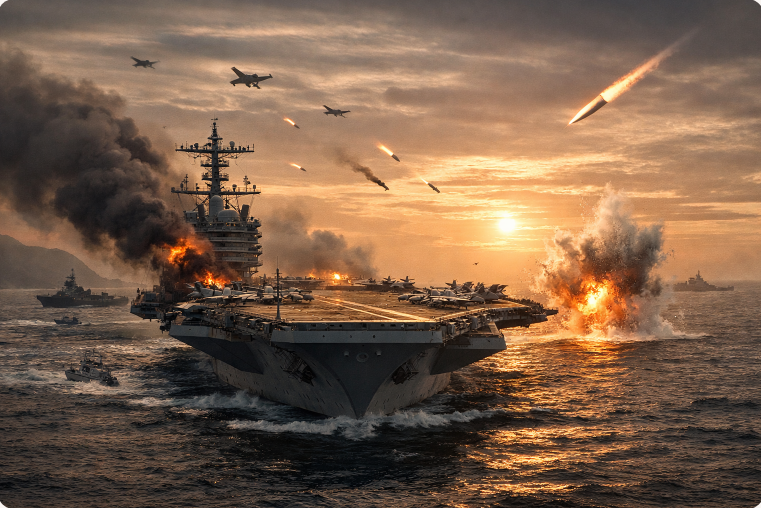
Trump believed bombs would do the talking. Precision strikes and naval deployments were meant to force Tehran into submission. Instead, Iran answered with thunder missile salvos, a Kuwait airport strike, and a Strait of Hormuz blockade that froze global shipping traffic.
The White House bet that military pressure would force Iran to blink and return to the table. But Tehran’s response told a different story: defiance, retaliation, and escalating stakes. As missiles fly, Gaza war updates dominate headlines, Brent Crude surges, and CPI energy costs rise, the troubling question looms: has America’s strategy strengthened leverage, or exposed its limits?
⚔️ The Helpless Superpower
- Iran’s strikes forced Washington to bargain, not dictate.
- U.S. bases burned under missile fire in Jordan, Kuwait, and Bahrain.
- Israel pleaded with Tehran not to target Ben‑Gurion Airport.
The superpower tasted its own medicine: vulnerability, fear, and recognition that bombs no longer guarantee dominance.
🇮🇱 Israel Under Siege
Haifa’s ordeal revealed Israel’s fragility. A strike on oil terminals and port facilities forced tens of thousands to evacuate. Sirens wailed across Tel Aviv, and the imagery became stark: “Israel Under Siege! IDF Surrender as Tel Aviv Falls.”
Netanyahu, once defiant, now begs Trump for protection. Israel reels under the Lebanon‑Israel conflict, Gaza war updates, and northern evacuations.
🌍 Gulf Stalemate
The Strait of Hormuz blockade is the centrepiece of Iran’s leverage. Tanker blockade and oil market volatility have triggered the biggest economic shock in five decades. Brent Crude surged, CPI energy costs spiked, and global supply chains faltered.
Gulf states, once pillars of U.S. strategy, now recoil. Hosting American bases has become a liability, inviting Iranian missiles.
🕊️ The Illusion of Negotiation
Trump repeatedly calls for a “peace deal this weekend” or claims the talks are in the “final throes of a deal.” But in reality, there are no negotiations. His demand amounts to surrender — dismantle Iran’s arsenal, reopen Hormuz, halt missiles.
Iran sees only one option: continue fighting. Negotiations were stabbed mid‑talks, and with Israel escalating against Trump’s wishes, diplomacy is performative.
⚖️ Shift in Global Power
- Europe and NATO: Allies question the value of American bases.
- South Asia: With tariffs lifted, China provides cover, enabling resistance to U.S. economic pressure.
- Turkey and Egypt: Regional roles recalibrate, drifting from Israel and positioning as mediators.
- Global Economy: Oil shocks, dollar instability, and fears of systemic collapse.
The waning influence of the U.S. as global hegemon is visible in every Iran strike, every evacuation, and every failed negotiation.
📌 Closing Reflection
America once believed it was indispensable. But bombs falling on its bases, allies drifting away, and Israel pleading for survival show otherwise. The greatest challenge for Trump is not Iran’s defiance alone, but the recognition that U.S. power is finite — militarily, economically, and diplomatically.
If troop numbers decline in Arab states, uprisings may follow, governments may fall, and the dollar may tremble. The nightmare scenario is escalation into global war. The hope is that restraint prevails before the mirage of hegemony collapses entirely.
IranWar #Hormuz #OilPrices #Trump #MiddleEast
메타데이터
- post_id
- bb6d71f481df
- slug
- iran-strikes-hormuz-blockade-and-israels-siege-expose-u-s-power-limits-in-west-asia-bb6d71f481df
- url
- https://medium.com/the-geopolitical-economist/iran-strikes-hormuz-blockade-and-israels-siege-expose-u-s-power-limits-in-west-asia-bb6d71f481df
- canonical_url
- https://medium.com/the-geopolitical-economist/iran-strikes-hormuz-blockade-and-israels-siege-expose-u-s-power-limits-in-west-asia-bb6d71f481df
- author_url
- https://medium.com/@airwaysnc
- status
- ok
- fetched_at
- 2026-06-15 20:49:13