How Much Do You Spend on an Engagement Ring?
Things can get complicated
How Much Do You Spend on an Engagement Ring?
Things can get complicated
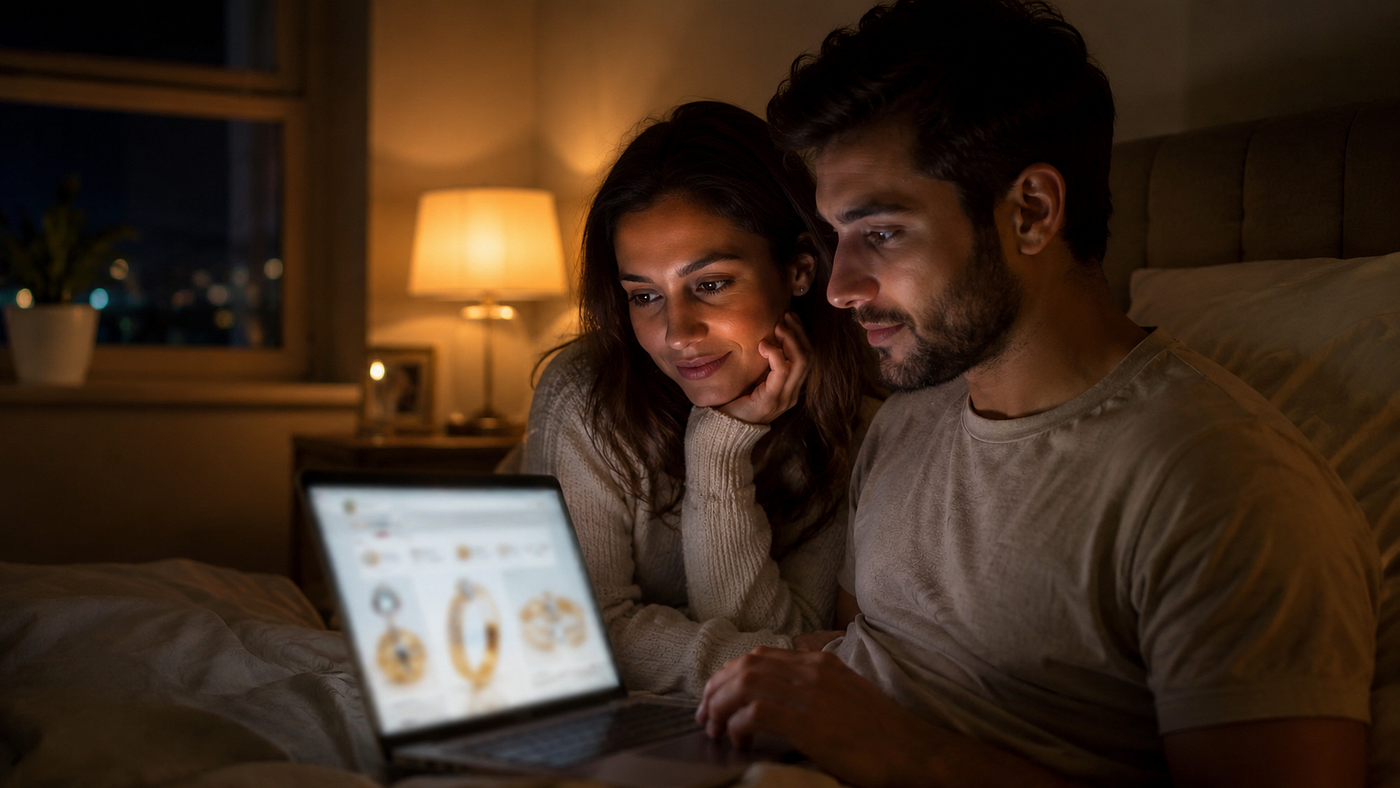
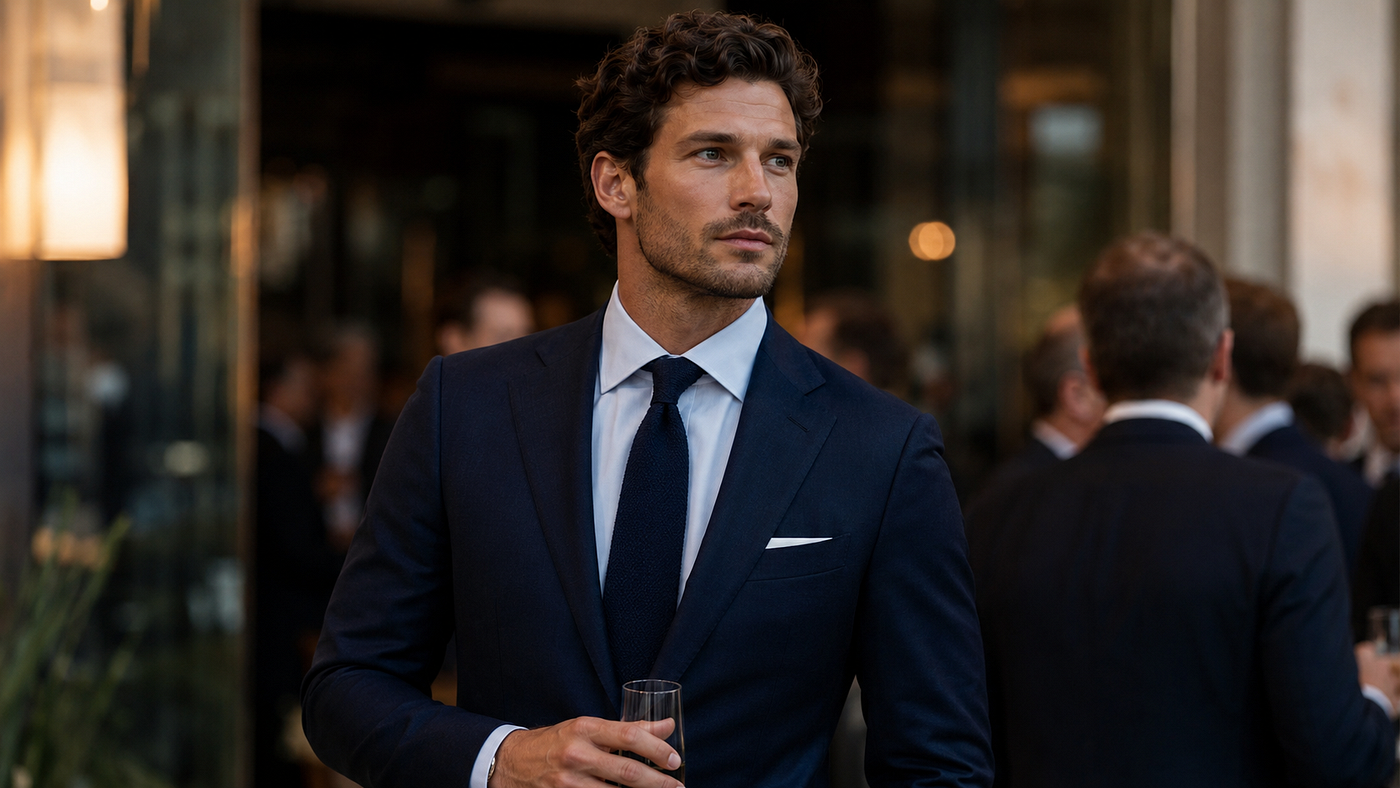
Image AI generated
It usually doesn’t start with money.
It starts with a search tab open at midnight. A few rings were saved. A price you didn’t expect to feel so real.
And then the question appears, simple, practical, almost harmless:
How much should you spend on an engagement ring?
But here’s the uncomfortable truth most people discover too late:
You’re not asking about a ring. You’re asking whether love has a price tag that other people will judge as “enough.”
And that’s where things get complicated.
The Rule Everyone Knows
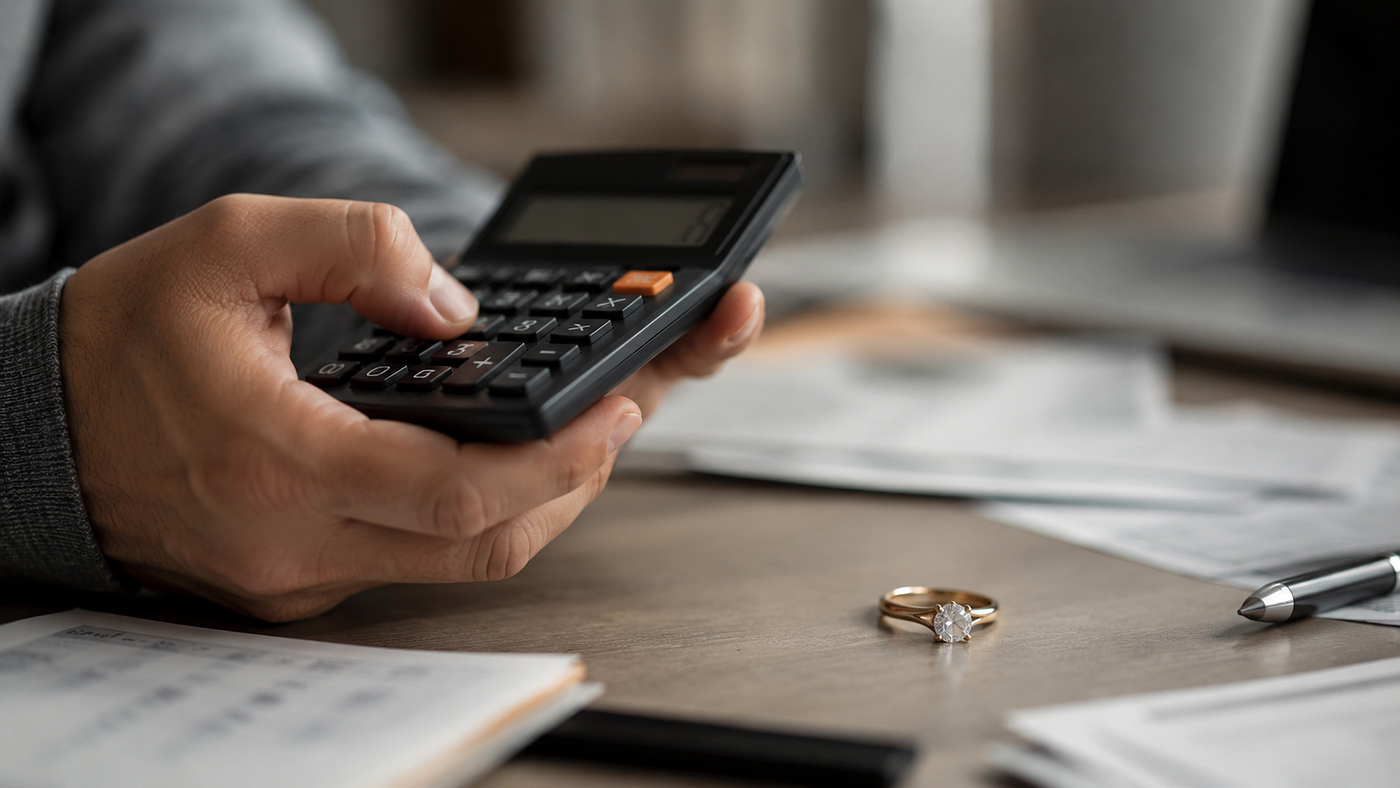
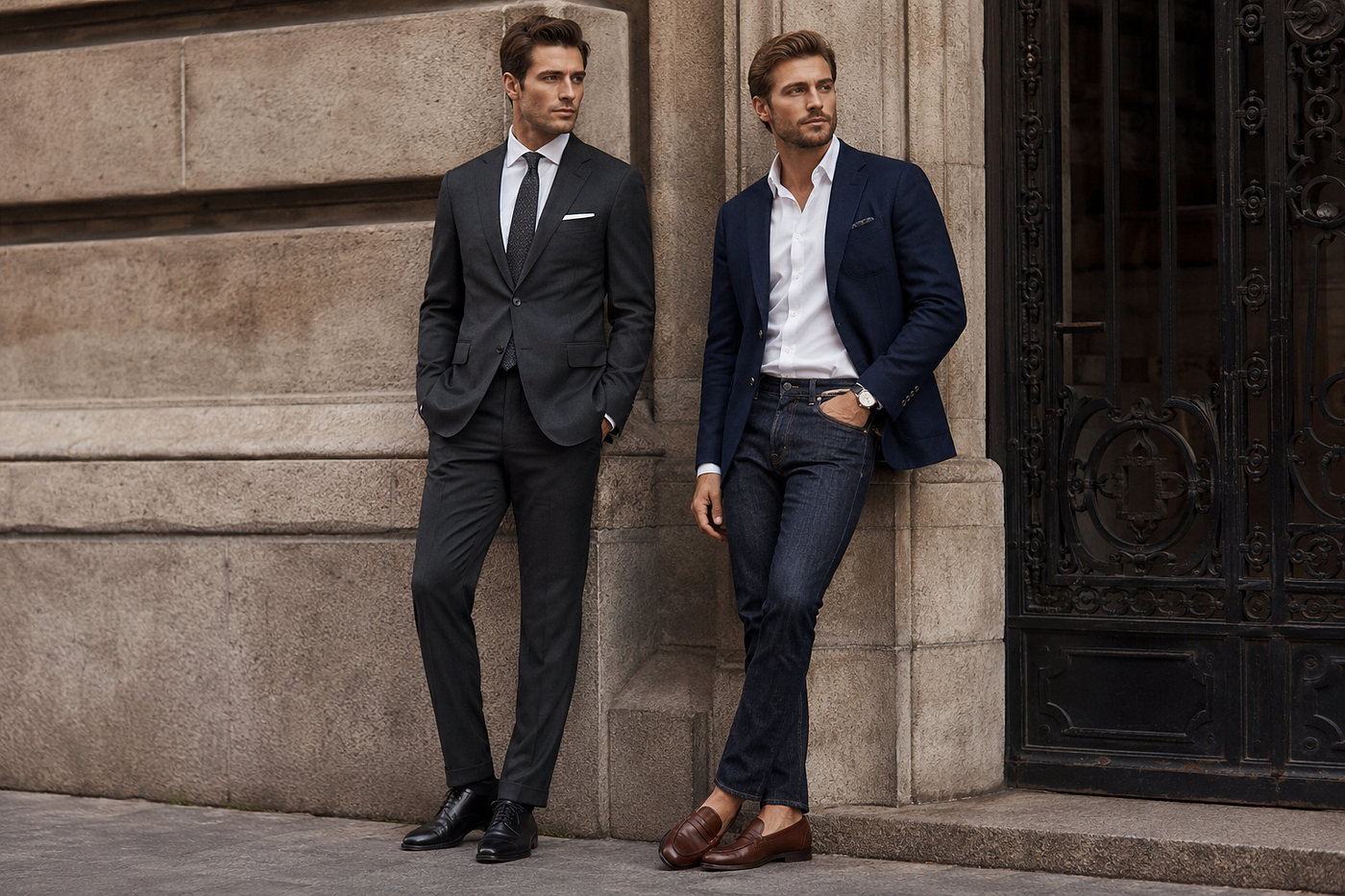
Image AI generated
For decades, a familiar guideline floated around culture like it was law:
Two to three months’ salary.
It sounded structured. Romantic, even. Like love had been neatly translated into finance.
But today, most people quietly ignore it.
Not out of rebellion — but because life doesn’t match the formula anymore.
Rent is higher. Debt is real. Priorities have shifted. And relationships are more financially transparent than they used to be.
So the modern reality looks less like a rule…
and more like a spectrum:
- Some spend under $1,000
- Many fall between $1,000–$5,000
- Others go $5,000–$10,000+
But those numbers are not the story.
They’re just the surface.
The Moment It Stops Being About Money
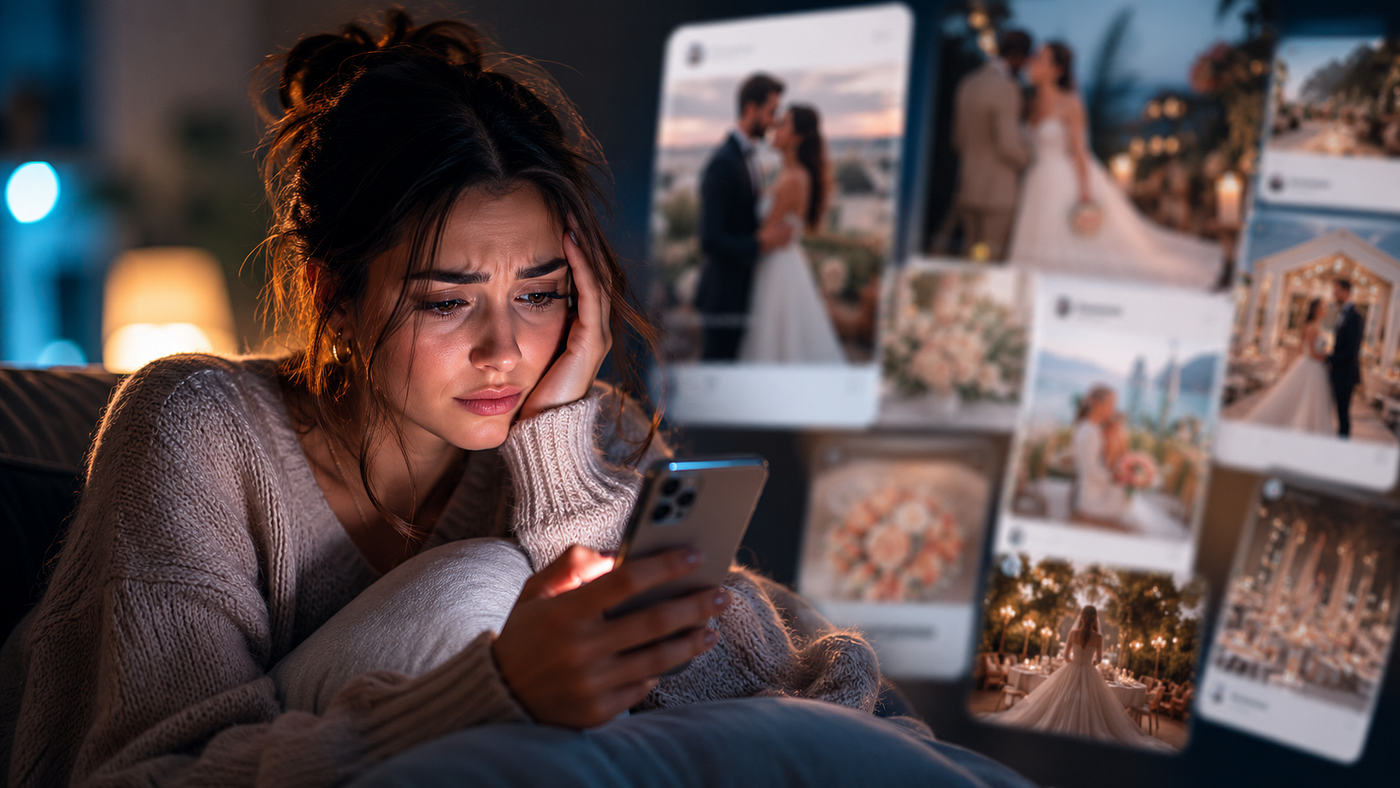
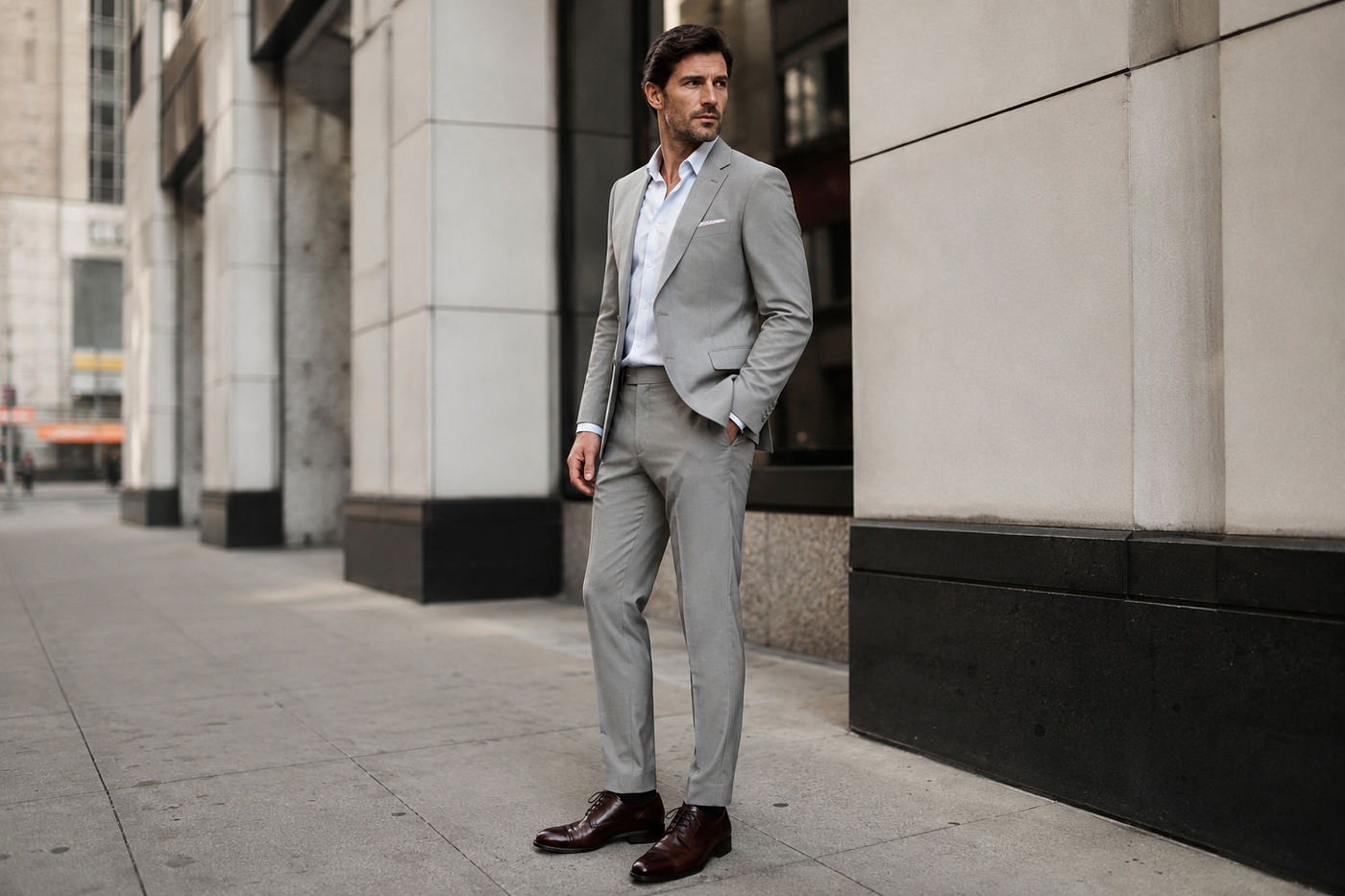
Image AI generated
Every engagement ring decision eventually hits the same emotional wall.
It’s not when you compare prices.
It’s when you imagine explaining your choice.
To my family. To friends. To social media.
Sometimes, even to strangers who will never know your financial reality.
That’s when spending stops being logical and becomes psychological.
Because the real fear isn’t overspending.
It’s this:
“What if this doesn’t look like enough love?”
And suddenly, a purchase becomes a performance.
A Real Scenario Most People Don’t Talk About

Image AI generated
Imagine two couples in the same city, earning the same income.
One couple chooses a modest ring.
Not because they don’t care — but because they care more about:
- paying off student loans
- planning a wedding without debt
- building a savings buffer for their future
The other couple spends significantly more.
Not because they’re reckless — but because the ring carries emotional weight:
- a long-held dream
- a family expectation
- a symbolic “once-in-a-lifetime” purchase
Same income. Same love. Completely different meaning.
And both feel completely justified.
That’s the part no budget rule can capture.
The Hidden Conflict: Tradition vs. Modern Life

Image AI generated
There’s a quiet tension behind this entire conversation.
Tradition says:
Spend more to prove more.
Modern reality responds:
Spend wisely so your life after the proposal doesn’t start in stress.
Neither side is wrong.
But they are fundamentally asking different questions.
One is about symbolism.
The other is about sustainability.
And most couples today are trying to balance both, without fully admitting how hard that balance can be.
The Truth About “The Right Amount”
There is no universal number.
But there is a useful filter most people never use:
The real question isn’t “How much should I spend?”
It’s:
“What amount allows me to feel proud of the ring… without feeling pressure every time I check my bank account?”
That single shift changes everything.
Because a ring should feel like:
- Excitement, not anxiety
- Meaning, not obligation
- Celebration, not financial regret
And when it doesn’t, the price becomes part of the emotional memory.
Why Expensive Doesn’t Always Mean Better
Here’s something rarely said out loud:
People don’t emotionally bond with price tags.
They bond with:
- the moment
- the intention
- the story
A smaller ring given with clarity and confidence often feels more meaningful than a larger one chosen under pressure or comparison.
Because meaning doesn’t scale linearly with money.
It scales with certainty.
The Social Pressure Nobody Prepares You For
Even if you personally don’t care about price…
you may still care about perception.
This is where modern pressure quietly enters:
- Instagram comparisons
- Wedding culture online
- Subtle status signaling
- Unspoken expectations from peers
And suddenly, the ring is no longer just a symbol of commitment.
It becomes a symbol of how that commitment looks to others. That’s the trap.
Because you can spend confidently, or you can spend defensively. And those are never the same decision.
A Better Way to Think About Spending
The most grounded couples eventually land here:
Spend what fits your life, not what fits a narrative.
That means:
- No borrowed pressure
- No inherited rules
- No invisible audience in your financial decisions
Instead, the decision becomes collaborative:
- What feels right for us?
- What protects our future?
- What reflects our values, not our anxiety?
And strangely, once those questions are honest, the “perfect number” often becomes obvious.
Conclusion
We often treat the engagement ring as a purely financial decision, but it’s actually one of the earliest identity-defining choices a couple makes together. It isn’t only about what you can afford; it’s also about how you define value, how you respond to external pressure, and how you balance meaning with real-world constraints.
What many people realize later is that the ring itself doesn’t define the relationship — the process behind choosing it does. Years down the line, the exact price usually fades, but what stays is how the decision felt: whether it was rushed or grounded, pressured or intentional, performative or genuinely personal. That emotional memory quietly becomes part of the shared story you build together.
메타데이터
- post_id
- bb7fbf5363f2
- slug
- how-much-do-you-spend-on-an-engagement-ring-bb7fbf5363f2
- url
- https://medium.com/illumination-curated/how-much-do-you-spend-on-an-engagement-ring-bb7fbf5363f2
- canonical_url
- https://medium.com/illumination-curated/how-much-do-you-spend-on-an-engagement-ring-bb7fbf5363f2
- author_url
- https://medium.com/@stylingmania
- status
- ok
- fetched_at
- 2026-06-24 11:06:28