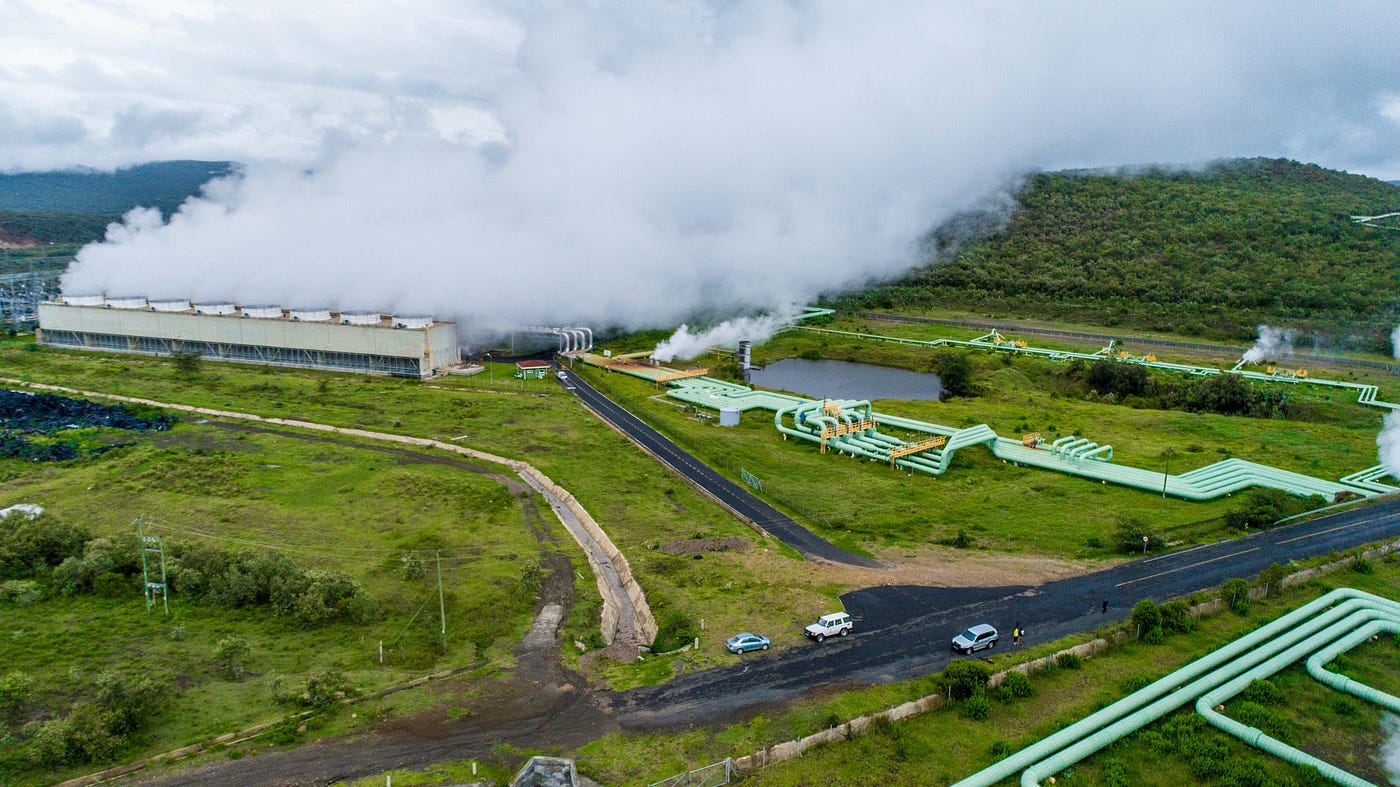
Atmospheric Pollution Testing for Power Plants and Refineries
Power plants and refineries are essential for meeting global energy demands, but they are also among the largest contributors to…
Atmospheric Pollution Testing for Power Plants and Refineries
Power plants and refineries are essential for meeting global energy demands, but they are also among the largest contributors to atmospheric emissions. The combustion of fossil fuels and complex refining processes release a wide range of pollutants into the air. To control these emissions and protect the environment, Atmospheric Pollution Testing plays a vital role. By accurately measuring air pollutants, testing laboratories help power plants and refineries comply with environmental regulations, improve operational efficiency, and reduce their impact on human health and climate.
Understanding Atmospheric Pollution Testing in Industrial Operations
Atmospheric Pollution Testing involves the collection and analysis of air samples to determine the presence and concentration of pollutants. In power plants and refineries, this testing focuses on emissions released from stacks, vents, and processing units. These pollutants include sulfur dioxide (SO₂), nitrogen oxides (NOx), carbon monoxide (CO), particulate matter (PM10 and PM2.5), volatile organic compounds (VOCs), and greenhouse gases such as carbon dioxide (CO₂) and methane (CH₄).
Through continuous emission monitoring systems and laboratory-based testing, industries gain real-time and long-term data about their atmospheric impact. This data is essential for regulatory reporting, pollution control planning, and sustainable energy management.
Why Atmospheric Pollution Testing Is Crucial for Power Plants and Refineries
Power plants and refineries operate under strict environmental regulations due to their high emission potential. Atmospheric pollution testing ensures that emissions remain within permissible limits and do not pose risks to nearby communities or ecosystems.
The key reasons atmospheric pollution testing is critical include:
- Ensuring compliance with air quality and emission standards
- Identifying pollution sources within the facility
- Supporting environmental impact assessments
- Reducing legal and financial risks
- Protecting public health
Without proper testing and monitoring, emissions can exceed safe limits, leading to environmental damage and regulatory penalties.
Major Pollutants Monitored in Power Plants and Refineries
Atmospheric pollution testing for these facilities focuses on several harmful pollutants:
Sulfur Dioxide (SO₂): Produced from burning sulfur-containing fuels, it contributes to acid rain and respiratory issues. Nitrogen Oxides (NOx): Generated during high-temperature combustion, these gases form smog and ground-level ozone. Particulate Matter (PM): Fine particles that penetrate deep into the lungs and cause cardiovascular problems. Carbon Monoxide (CO): A toxic gas formed from incomplete combustion. Volatile Organic Compounds (VOCs): Released from refining processes and fuel handling, contributing to ozone formation. Greenhouse Gases: CO₂ and CH₄ that drive global warming and climate change.
Monitoring these parameters provides a clear picture of a facility’s environmental footprint.
Role of Atmospheric Pollution Testing in Regulatory Compliance
Environmental authorities worldwide enforce strict emission standards for power plants and refineries. Atmospheric pollution testing provides verified data needed for compliance reporting and environmental audits.
Testing laboratories support compliance by:
- Conducting stack emission testing
- Monitoring ambient air quality around facilities
- Preparing emission inventories
- Verifying pollution control system performance
- Supporting permit applications and renewals
Accurate testing data ensures transparency and helps industries demonstrate their commitment to environmental responsibility.
Supporting Pollution Control and Process Optimization
Atmospheric pollution testing is not just about compliance; it also helps industries improve efficiency. By identifying emission hotspots, operators can optimize fuel usage, improve combustion efficiency, and upgrade pollution control equipment such as scrubbers, electrostatic precipitators, and bag filters.
For example, high particulate levels may indicate inefficient filtration, while elevated NOx levels can suggest improper combustion temperatures. Testing results allow engineers to fine-tune operations, leading to reduced emissions and lower operating costs.
Environmental and Health Benefits
Power plants and refineries are often located near populated or industrial areas. Uncontrolled emissions can cause serious health problems such as asthma, bronchitis, and heart disease. Atmospheric pollution testing helps prevent these risks by ensuring that harmful pollutants are detected and managed early.
Environmental benefits include:
- Reduced smog and haze
- Lower risk of acid rain
- Protection of soil and water bodies from airborne contaminants
- Preservation of biodiversity
By maintaining cleaner air, industries contribute to healthier communities and sustainable ecosystems.
Role in Environmental Impact Assessments
Atmospheric pollution testing is a key component of Environmental Impact Assessments (EIAs) for new and existing power plants and refineries. Baseline air quality data is collected before project development, followed by continuous monitoring during operations.
This data helps in:
- Predicting future emission levels
- Assessing long-term atmospheric impact
- Designing mitigation measures
- Ensuring alignment with sustainability goals
Through reliable testing, EIAs become more accurate and credible.
Technological Advancements in Atmospheric Pollution Testing
Modern atmospheric pollution testing uses advanced technologies for higher accuracy and faster results. Continuous emission monitoring systems (CEMS) provide real-time emission data, while laboratory analysis ensures precise quantification of pollutants.
Key technologies include:
- Gas analyzers for SO₂, NOx, and CO
- Gravimetric and optical particulate monitors
- Remote sensing and stack sampling systems
- Data logging and automated reporting software
These innovations enhance monitoring coverage and enable proactive emission control strategies.
Supporting Climate Change Mitigation
Power plants and refineries are significant sources of greenhouse gases. Atmospheric pollution testing helps quantify CO₂ and methane emissions, which are critical for climate reporting and carbon reduction initiatives.
Testing data supports:
- Carbon footprint assessments
- Energy efficiency programs
- Transition to cleaner fuels
- Evaluation of renewable energy integration
By understanding their emission profile, industries can align with global climate goals and adopt sustainable practices.
Future Trends in Atmospheric Pollution Testing for Energy Industries
As environmental standards become stricter, the demand for advanced atmospheric pollution testing will continue to rise. Future developments include:
- Integration of artificial intelligence for emission prediction
- Expanded use of remote and satellite monitoring
- Adoption of low-cost sensors for wide-area monitoring
- Stronger regulatory frameworks for emission control
These trends will further strengthen pollution management in power plants and refineries.
Conclusion
**Atmospheric Pollution Testing** is a critical tool for managing emissions from power plants and refineries. By accurately measuring harmful pollutants, it supports regulatory compliance, protects public health, and promotes sustainable industrial operations. From optimizing combustion processes to reducing greenhouse gas emissions, atmospheric pollution testing enables industries to balance energy production with environmental responsibility.
As global energy demands grow and environmental concerns intensify, the importance of atmospheric pollution testing will only increase. Continuous monitoring, advanced technologies, and proactive emission control strategies will ensure that power plants and refineries operate in a cleaner, safer, and more sustainable manner.
메타데이터
- post_id
- bb80c576980c
- slug
- atmospheric-pollution-testing-for-power-plants-and-refineries-bb80c576980c
- url
- https://medium.com/@pankajmetslab/atmospheric-pollution-testing-for-power-plants-and-refineries-bb80c576980c
- canonical_url
- https://medium.com/@pankajmetslab/atmospheric-pollution-testing-for-power-plants-and-refineries-bb80c576980c
- author_url
- https://medium.com/@pankajmetslab
- status
- ok
- fetched_at
- 2026-06-22 18:00:48