Swedish Dancing: Traditions and Techniques
Swedish Dancing: Traditions and Techniques
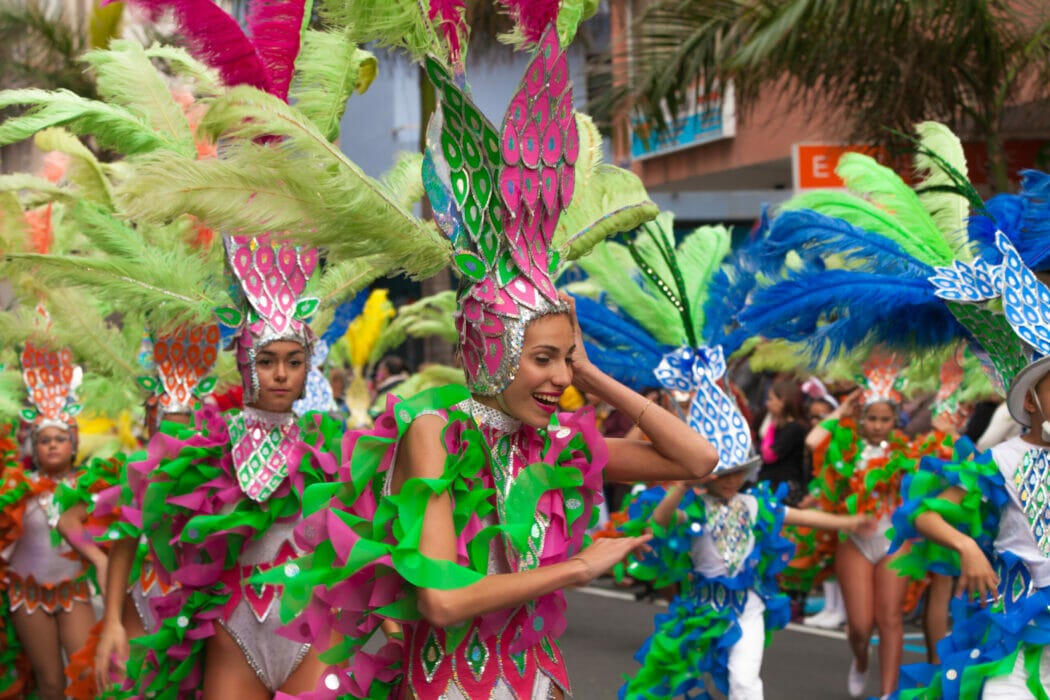
Sweden has a rich cultural heritage, and dancing is an integral part of it. From folk dances to modern styles, Swedish dancing has evolved over the years. It is a way to celebrate life, connect with people, and express oneself.
Traditional Swedish dancing is rooted in the country’s history and traditions. It includes dances like the polska, waltz, and hambo. These dances are often performed in groups, with dancers holding hands and moving in a circular motion. The music is usually played on instruments like the fiddle, accordion, and nyckelharpa.
Swedish dancing techniques have been passed down through generations. The movements are graceful, with a focus on footwork and partner connection. Dancers wear traditional costumes, adding to the beauty and elegance of the performance. Whether you are a beginner or an experienced dancer, Swedish dancing is a wonderful way to experience the country’s culture and traditions. 🎶💃🇸🇪

[embed]
1. Origins of Swedish Folk Dancing: A Historical Overview
Swedish folk dancing has a rich history dating back to the Viking era. It was influenced by various cultures, including the Sami, Finnish, and Norwegian.
- 🌲
- 🌊
- 🗡️
During the 16th century, folk dancing became popular among the nobility and spread to the common people. It was often performed during celebrations and festivals.
- 👑
- 🎉
- 🎊
By the 19th century, folk dancing had evolved into a more structured form, with specific steps and patterns. It was also used as a way to preserve Swedish culture and traditions.
- 👣
- 📜
- 🇸🇪
Today, Swedish folk dancing is still popular and can be seen at events and festivals throughout Sweden. It is also enjoyed by people around the world who appreciate its beauty and cultural significance.
- 🌍
- 💃
- 🕺

2. Traditional Swedish Dance Forms: Polska, Hambo, and Schottis
Swedish culture is incomplete without its traditional dance forms. Polska is a slow and graceful dance that originated in the 17th century. Hambo is a lively dance that involves hopping and swinging. Schottis is a popular dance that is easy to learn and involves a simple step pattern. 💃
Polska is often danced in pairs and is characterized by its flowing movements and gentle turns. Hambo is a solo dance that involves a lot of spinning and twirling. Schottis is a group dance that is often performed at weddings and other celebrations. 💃
These traditional Swedish dance forms are still popular today and are often performed at festivals and cultural events. They are an important part of Swedish heritage and are a great way to experience the country’s rich culture. 💃
Learning these dances is a fun way to connect with Swedish culture and history. Many dance schools offer classes in these traditional forms, and there are also plenty of online resources available for those who want to learn on their own. 💃

3. Basic Techniques of Swedish Dancing: Footwork and Partnering
Swedish dancing involves intricate footwork and partnering techniques. The footwork is light and swift, with small hops and quick steps.
- Basic footwork includes the polska, hambo, and schottis.
- Partnering involves close embrace and smooth movements.
Footwork is often accompanied by lively music played on fiddles, accordions, and nyckelharpas.
- Partnering requires good communication and trust between dancers.
- Eye contact and body language are essential.
Swedish dancing is a social activity, with group dances and individual performances.
- It is a great way to meet new people and experience Swedish culture.
- Join a local dance group or attend a Swedish festival to learn more!
🕺💃🎶🇸🇪
4. Music and Instruments Used in Swedish Folk Dancing
Swedish folk dancing is accompanied by traditional music played on various instruments. 🎶 The most common instruments used are the fiddle, accordion, and nyckelharpa. 🎻🎹🪕 These instruments provide the upbeat and lively tunes that make Swedish folk dancing so enjoyable.
The fiddle is the most popular instrument used in Swedish folk music. 🎻 It is a stringed instrument that produces a bright and lively sound. The fiddle is played with a bow and is often used to lead the melody in Swedish folk dancing.
The accordion is another popular instrument used in Swedish folk music. 🎹 It produces a rich and full sound that complements the fiddle. The accordion is played by squeezing and releasing the bellows while pressing the keys.
The nyckelharpa is a unique instrument that is only found in Sweden. 🪕 It is a stringed instrument that is played with a bow, like the fiddle. However, it also has keys that are used to change the pitch of the strings, giving it a distinct sound.
Other instruments used in Swedish folk music include the guitar, mandolin, and bass. 🎸🪕🎻 These instruments provide a rhythmic accompaniment to the melody of the fiddle, accordion, and nyckelharpa. Together, they create a lively and energetic sound that is perfect for dancing.
In conclusion, Swedish folk dancing is accompanied by a variety of traditional instruments that produce lively and upbeat tunes. 🎶 The fiddle, accordion, and nyckelharpa are the most popular instruments used, but other instruments such as the guitar, mandolin, and bass also play an important role. 🎸🪕🎻
5. Regional Variations in Swedish Dance: From Dalarna to Skåne
Swedish dance varies greatly across the country, with each region having its unique style and traditions.
- Dalarna is known for its folk dances, such as the Polska and the Hambo.
- Skåne has a more modern approach to dance, with influences from jazz and ballroom.
- Uppland has a strong tradition of group dances, such as the Brudmarsch.
The differences in dance styles can be attributed to regional history, cultural influences, and even the landscape.
- The mountainous terrain of Dalarna led to dances that were more grounded and focused on footwork.
- The flatlands of Skåne allowed for more flowing and expressive movements.
Despite the variations, Swedish dance remains an important part of the country’s cultural heritage.
- Many traditional dances are still performed at festivals and celebrations throughout the year.
- There are also numerous dance schools and groups dedicated to preserving and promoting Swedish dance.
Whether you prefer the lively and energetic dances of Dalarna or the graceful movements of Skåne, there is a Swedish dance style for everyone to enjoy.
🕺💃🎉
6. Contemporary Swedish Dance: Innovations and Adaptations
Contemporary Swedish dance is characterized by its innovative and adaptive nature. 🕺💃
-
Dancers experiment with new forms of movement, blending traditional techniques with modern styles.
-
Many choreographers incorporate technology into their performances, using projections and interactive elements.
-
Swedish dance companies often collaborate with artists from other disciplines, such as music and visual arts.
-
The dance scene in Sweden is diverse, with companies ranging from experimental to classical.
-
Sustainability and social responsibility are important themes in contemporary Swedish dance, with many performances addressing environmental and political issues.
-
Swedish dancers and choreographers have gained international recognition, with works being performed around the world.
-
The future of Swedish dance looks bright, with a new generation of artists pushing boundaries and exploring new possibilities. 🌟
7. The Role of Swedish Dancing in Cultural Identity and Community Life
Swedish dancing plays a crucial role in shaping cultural identity and enhancing community life.
- It is a way of preserving traditional customs and values.
- It promotes social interaction and fosters a sense of belonging.
- Swedish dancing is an expression of joy, celebration, and unity.
Through dance, Swedes connect with their past, present, and future.
- It is a way of passing down cultural heritage from one generation to the next.
- Swedish dancing is a reflection of the country’s rich history and diverse cultural influences.
- It is an opportunity to showcase national pride and identity.
Swedish dancing is not limited to formal events or performances.
- It is a part of everyday life, from weddings to Midsummer celebrations.
- It brings people together and creates a sense of community and belonging.
- Swedish dancing is a way of expressing emotions and connecting with others.
Overall, Swedish dancing is an integral part of cultural identity and community life in Sweden.
🇸🇪🕺💃 In conclusion, Swedish dancing is a vibrant and cherished tradition that has been passed down through generations. From the polska to the hambo, each dance has its unique style and steps that reflect the history and culture of Sweden. Whether you are a beginner or an experienced dancer, there is always something new to learn and enjoy.
So why not try Swedish dancing for yourself? Join a local dance group or attend a folk festival to experience the joy and energy of this lively tradition. With its upbeat music, intricate footwork, and colorful costumes, Swedish dancing is sure to bring a smile to your face and a spring to your step. 🕺💃
https://dancingguide.com/swedish-dancing-traditions-and-techniques/?_unique_id=6479173c75a91
메타데이터
- post_id
- bb8676bd6517
- slug
- swedish-dancing-traditions-and-techniques-bb8676bd6517
- url
- https://medium.com/@dancingguide/swedish-dancing-traditions-and-techniques-bb8676bd6517
- canonical_url
- https://medium.com/@dancingguide/swedish-dancing-traditions-and-techniques-bb8676bd6517
- author_url
- https://medium.com/@dancingguide
- status
- ok
- fetched_at
- 2026-07-11 22:01:18





